Skip to content



For businesses exploring purpose-led marketing, one question comes up first: what is cause marketing, and how can it create value for both a brand and a cause? In practice, it connects marketing activity with a social, environmental, or community issue in a way that encourages participation and supports measurable impact. At The Ocean Wide, we see cause marketing as most effective when the partnership feels relevant, transparent, and aligned with genuine business values.
What Is Cause Marketing?
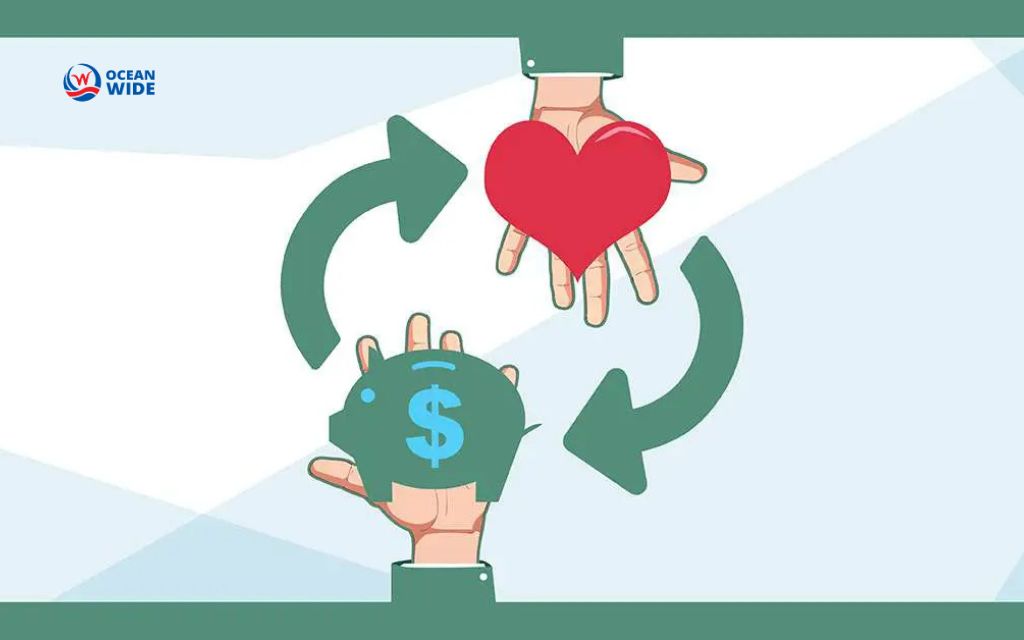
Cause marketing is a strategy in which a business supports a social, environmental, or community cause while also pursuing a marketing goal. In simple terms, the cause marketing definition centres on a clear connection between brand activity and a cause, whether through donations, awareness, customer participation, or long-term partnerships.
How Does Cause Marketing Work?
A typical cause marketing campaign begins with a cause that fits the organisation’s values, customers, and wider brand position. The business then decides how support will be generated and how customers can participate.
A simple process may look like this:
- Select a credible and relevant cause
- Agree on responsibilities with the partner
- Define how support will be generated
- Explain the customer’s role clearly
- Promote the campaign through suitable channels
- Report both commercial and social outcomes
For example, a local restaurant could donate a fixed amount from each selected meal to a community food programme. Clear social media storytelling can then explain why the partnership matters without turning the cause into a sales device.

Why Is Cause Marketing Important?
The importance of cause marketing comes from its ability to connect business communication with issues customers already care about. Support for a credible cause can strengthen brand perception, generate awareness, encourage participation, and create resources for nonprofit or community partners.
Research covering 237 studies found that cause-related marketing produced a moderate positive effect on consumer attitudes and a smaller positive effect on behaviour, although results varied significantly between campaigns.
Potential benefits include:
- Stronger brand trust
- Greater cause awareness
- Higher customer engagement
- More meaningful community relationships
- Additional fundraising opportunities
- Clearer brand differentiation
- Greater employee participation

Cause Marketing Vs CSR, Philanthropy And Sponsorship
What is cause marketing compared with other forms of corporate responsibility? The biggest difference lies in how directly the cause connects with marketing activity and customer participation.
| Approach | Primary Purpose | Customer Action | Commercial Connection |
| Cause Marketing | Support a cause while pursuing marketing objectives | Often involved | Direct |
| CSR | Improve responsible business practices | Usually unnecessary | Indirect |
| Philanthropy | Provide donations or charitable support | Not required | Usually limited |
| Sponsorship | Gain visibility through association | Not usually required | Promotional |
The distinction matters because customers should understand whether support comes from normal corporate giving, a sponsorship agreement, or a transaction-linked cause related marketing programme.
What Types Of Cause Marketing Campaigns Are Common?
Businesses can structure cause marketing programs in several ways depending on the cause, customer journey, available resources, and desired impact. Some campaigns connect support directly with purchases, while others focus on advocacy, participation, or community involvement.
Common models include purchase-triggered donations, sales-based contributions, product-giving programmes, advocacy, community initiatives, and digital participation.
Purchase-Triggered Donations
Under this model, a specific customer action triggers a fixed contribution. A business might donate $1 whenever someone buys a selected product or books a particular service.
This form of cause related marketing makes the connection between transaction and contribution relatively easy to understand. Clear campaign terms should state the donation amount, eligible purchase, beneficiary, timeframe, and any maximum contribution.

Percentage-Of-Sales Campaigns
A percentage-of-sales model directs an agreed share of revenue from selected products or transactions towards a cause. For example, a company might contribute 5% of eligible sales during a specific month.
Transparency matters because vague phrases such as “a portion of proceeds” give customers little information. Cause marketing works more credibly when the percentage, timeframe, products, and contribution limits are stated clearly.
Buy-One-Give-One Programs
Buy-one-give-one programmes connect each purchase with a product, service, or resource provided to another person or community. The contribution does not always need to match the purchased item exactly.
This form of cause based marketing can make social impact easy to visualise, but businesses should confirm that donated products genuinely match community needs. Volume alone does not prove effectiveness.

Awareness And Advocacy Campaigns
Some social cause marketing campaigns focus less on sales and more on recognition, education, or behaviour change. Businesses may use their platforms to explain an issue, amplify expert information, or encourage public participation.
A well-planned social media awareness campaign can give the message enough repetition to become familiar without overwhelming audiences. Cause related advertising can support the same objective when paid media expands reach responsibly.
Employee And Community Programs
Community partnerships can combine donations with volunteering, events, skills, or employee participation. Local relevance often makes the connection between business and cause easier for audiences to understand.
A business, for example, might support a neighbourhood clean-up, food programme, school initiative, or local care organisation. Hyperlocal social media marketing can help the campaign reach people who live close enough to participate directly.

Digital Participation Campaigns
Digital campaigns can trigger support through sign-ups, pledges, shares, challenges, submissions, or other online actions. The model can widen participation beyond customers who make a purchase.
Strong cause marketing still needs clear rules. Businesses should explain what action triggers support, how contributions are calculated, whether a cap applies, and what happens after the campaign. Well-structured social media content pillars can keep education, progress updates, community stories, and calls to action balanced throughout the campaign.
How To Build A Cause Marketing Strategy
What is cause marketing without those foundations? Often, it becomes a short-lived campaign that attracts attention but fails to build trust. The following steps help establish a more credible structure.
Choose A Cause That Fits The Brand
The strongest partnerships usually have a logical connection between the company, its customers, and the issue being supported. A landscaping business might support urban greening, while a home care provider may align naturally with senior community programmes.

Define A Clear Social And Business Goal
Set separate goals for social impact and marketing performance. The cause might need funding, volunteers, resources, or awareness, while the business may prioritise reach, engagement, customer acquisition, or loyalty.
This distinction keeps the cause marketing strategy from becoming purely promotional. Both sides should understand what success looks like before campaign activity begins.
Select The Right Partner
Partner credibility can affect how audiences interpret the entire campaign. Review the organisation’s mission, governance, reputation, operational capacity, and ability to report outcomes before committing publicly.
The relationship should also define responsibilities clearly. Marketing approvals, use of names, donation handling, customer data, campaign reporting, and crisis communication all deserve early agreement.
Decide How Customers Will Participate
Participation should fit naturally into the customer journey. Options may include purchasing a product, adding a donation, sharing a message, attending an event, signing a pledge, or volunteering.

Set A Transparent Contribution Model
Customers should know how the contribution works before deciding whether to participate. State the amount or percentage, eligible transactions, campaign period, beneficiary, and any contribution cap.
Transparency also protects credibility. Research on cause-related marketing identifies transparency and signals of sincerity among the factors that influence consumer response.
Build The Campaign Message
The message should explain four things quickly: what the cause is, why the business supports it, how customers can participate, and what impact the campaign seeks to create.
Avoid exaggerated emotional claims or vague statements about “making a difference”. Effective social cause marketing gives audiences enough context to understand the issue without exploiting it.

Plan Distribution Across Channels
Choose channels according to audience behaviour rather than publishing identical material everywhere. Social media can build participation, email can provide detail, websites can explain campaign terms, and paid media can expand targeted reach.

Measure Business And Social Impact
Track commercial and social outcomes separately. Reach, conversions, revenue, and customer acquisition may matter to the business, while funds raised, participation, people supported, or resources delivered show the effect on the cause.
Results should be reported honestly even when the campaign falls short of its target. That transparency creates a more useful foundation for future cause marketing programs.
What Makes A Cause Marketing Campaign Credible?
People are quick to question campaigns that sound vague, overpromise impact, or appear only when a cause becomes popular. Trust grows when the brand explains the connection clearly, shows where the support goes, and follows through after the campaign ends.
The strongest campaigns usually share a few signals:
- Natural Brand–Cause Fit: The cause connects logically with the business, audience, or values
- Transparent Contributions: Customers can see how much is donated and under what conditions
- Credible Partners: Reputable organisations add legitimacy and strengthen accountability
- Specific Impact Claims: Clear outcomes feel more trustworthy than broad promises to “make a difference”
- Visible Follow-Through: Updates after the campaign show that the commitment did not end with promotion
- Consistent Behaviour: The company’s wider actions should support, not contradict, the cause

Common Cause Marketing Mistakes To Avoid
Poorly planned cause marketing can quickly feel opportunistic or unclear. Most problems come:
- Choosing a cause that feels unrelated to the brand
- Using vague phrases about donations or impact
- Hiding contribution limits or campaign conditions
- Making the campaign feel too sales-focused
- Partnering without checking credibility first
- Exaggerating expected social impact
- Ending support as soon as promotion stops
- Reporting business results but ignoring cause outcomes

How Do You Measure Cause Marketing Success?
To understand what is cause marketing success in practical terms, businesses should measure both commercial performance and social impact rather than relying on reach or sales alone. Useful business metrics include brand sentiment, engagement, conversions, repeat purchases, and customer acquisition, while cause-focused metrics can track funds raised, participation, resources delivered, or people supported.
Research across 237 studies found that cause-related marketing tends to have a stronger effect on consumer attitudes than on short-term behaviour, which makes reputation and trust especially important measures alongside immediate sales results.

Build A Purpose-Led Marketing Strategy With The Ocean Wide
Purpose-led marketing works best when the cause, message, audience, and business objective all support the same direction. At The Ocean Wide, we help businesses turn that alignment into a practical cause marketing strategy through campaign planning, brand messaging, social content, paid promotion, landing pages, and performance tracking.
Our approach focuses on clarity rather than surface-level promotion. We help define why the partnership matters, how customers should participate, which channels deserve attention, and how both commercial and social outcomes will be measured. That keeps the campaign credible while giving every touchpoint a clear role.
Through our Social Marketing Service, we can support:
- Campaign Strategy: Connect the cause with audience and business priorities
- Brand Messaging: Explain the purpose clearly without vague or inflated claims
- Social Content: Build platform-ready content around participation and impact
- Paid Promotion: Extend campaign reach towards relevant audiences
- Performance Tracking: Measure engagement, conversions, and social outcomes together

Final Thoughts
For businesses still asking what is cause marketing and whether it deserves a place in their strategy, the answer depends on how genuinely the brand can connect purpose with action. Strong campaigns make participation simple, contribution terms clear, and results visible after the promotion ends. When handled well, cause marketing can strengthen community relevance, customer trust, and long-term brand relationships.