Skip to content

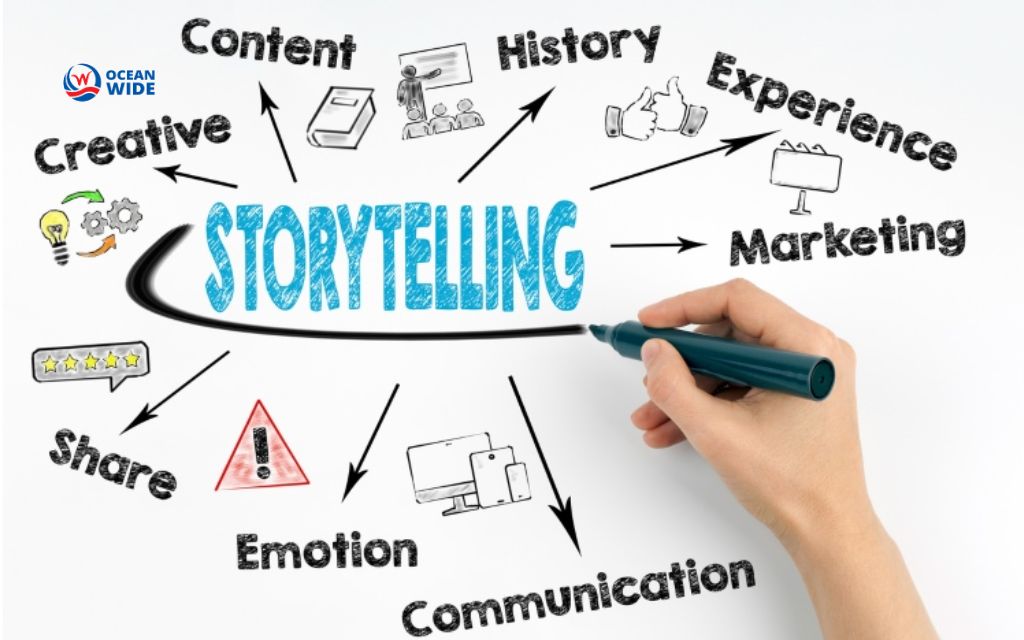
Social media storytelling turns a brand’s updates into narratives people want to follow. Instead of listing features or announcing a sale, a brand shares a character, a challenge, and a change. Readers stop scrolling because they want to know what happens next, not because a post asks them to buy something. This guide breaks down why storytelling works, the frameworks you can borrow today, the story types every brand can draw from, and how to tell whether your storytelling is actually paying off.
What social media storytelling means
Social media storytelling is the practice of shaping brand content around a narrative arc: a subject, a situation that needs to change, and a resolution. It stands apart from ordinary content marketing because it centers on people and outcomes rather than products and specifications. Product posts describe what something does. Stories show who used it, what stood in their way, and what changed once they found a solution.
This shift matters because audiences no longer respond well to messaging built only around what a brand sells. Narratives built around the audience, their problems, their wins, and their everyday experience earn more attention and hold it longer. Every story, whether it runs thirty seconds or thirty words, should center the audience as the protagonist and position the brand as the guide that helps them get where they want to go.
Why storytelling works on social media
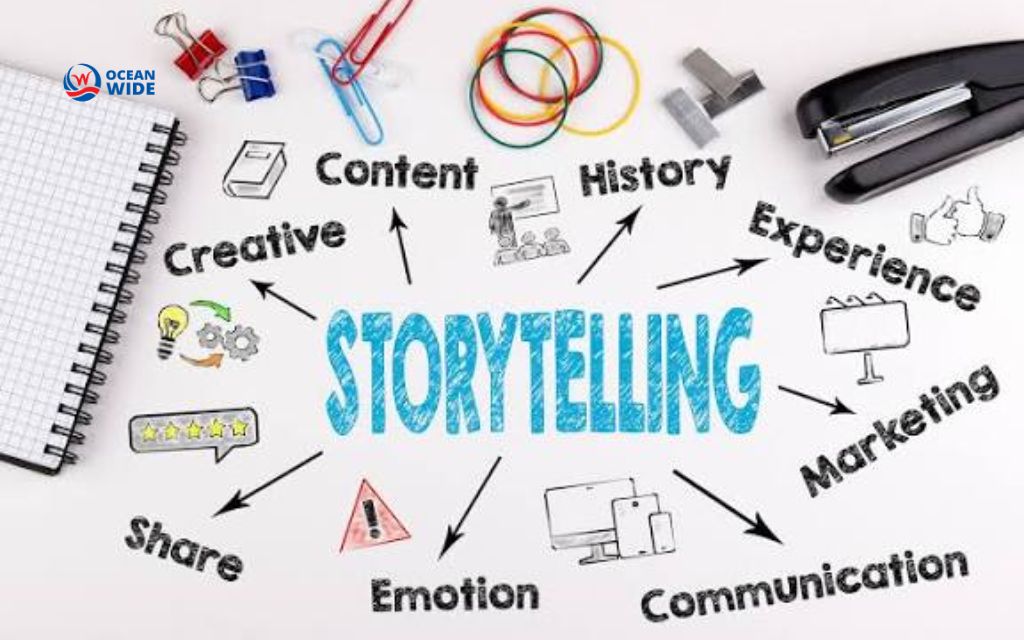
People process stories differently than they process facts. Stat sheets ask the brain to evaluate and file information, while stories ask it to picture a scene, follow a character, and feel an outcome. That difference in processing is why narrative content tends to stick in memory longer than a plain announcement.
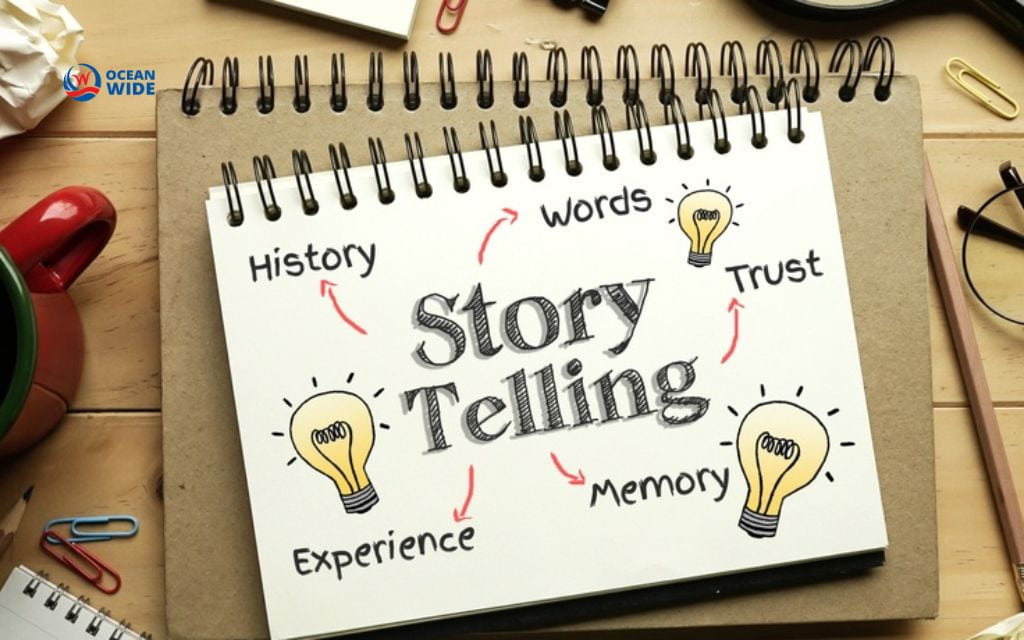
Storytelling also builds trust over time. One post alone rarely convinces anyone to act. Repeated, consistent narratives, told through the same voice and values, give an audience a reason to believe a brand means what it says. That trust carries a follower through the stages of a relationship with a brand: from noticing it, to considering it, to buying from it, to recommending it to someone else. Stories built around real people and real outcomes do more of that work than promotional copy ever will, because they give the audience something to relate to rather than something to resist.
Storytelling frameworks you can apply today
Before and after
This framework opens with a clear picture of the problem, then shows what life or work looks like once that problem is solved. State the starting point in plain terms, then walk the audience through the change. It works well for service businesses, product demonstrations, and testimonials where the transformation is the whole point.
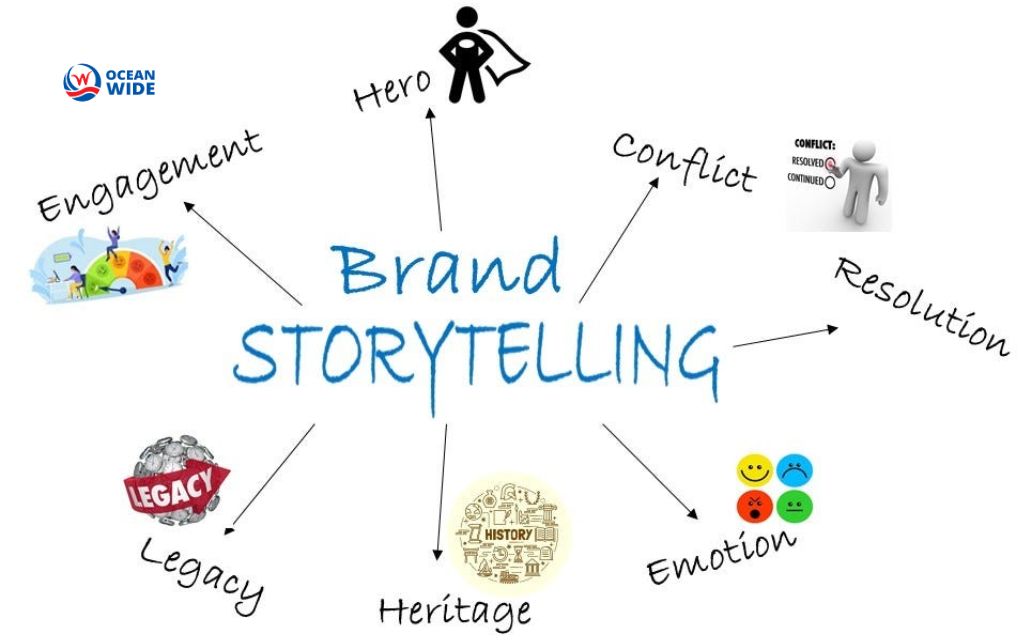
The hero’s journey
Here, a customer or a founder plays the hero. The story follows a challenge they faced, the decision they made to address it, and the result once they came out the other side. This structure builds naturally toward a brand’s role as the guide who helped the hero succeed, rather than the hero itself.
Start with why
This approach opens with the purpose behind a decision or a product, not the decision itself. Explain the reason a brand does what it does before describing what it does. Audiences connect with intention faster than they connect with a feature list, and this framing gives a brand’s actions context that a spec sheet cannot.
Problem, agitate, solve
State a real problem the audience faces. Spend a beat making that problem concrete and felt, rather than rushing past it. Then introduce the solution. This sequence keeps the audience engaged because it validates their frustration before offering a way out, instead of jumping straight to a pitch.
Start in the middle of the action
Open with the most interesting moment of the story rather than the setup. Dramatic results, unexpected twists, or striking details placed up front give the audience a reason to keep reading or watching, and the context can follow once attention is secured. This is one of the more reliable techniques for grabbing attention in the first few seconds of a feed post or short video, where most scrolling decisions happen almost instantly.
Story types every brand can tell
Customer stories
Customer stories follow a real client through a challenge, the choice to work with a brand, and the outcome that followed. These stories carry weight because they come from a third party rather than the brand itself, which makes them naturally more credible than a brand’s own claims about its work.
Founder and origin stories
Origin stories explain why a business exists in the first place: the problem its founder noticed, the gap they set out to close, and the decisions that shaped the company along the way. This story type builds familiarity and gives an audience a person, not just a logo, to associate with a brand.
Employee spotlights
Featuring the people behind a brand humanizes it. Short profiles of a team member, their role, and what they care about in their work show the audience that a company is made of individuals with their own perspective, not a faceless account posting on a schedule.
Behind the scenes content
Behind the scenes content pulls back the curtain on how something gets made, decided, or delivered. It can include a process walkthrough, a planning session, or an honest look at a setback. This story type builds trust because it shows the audience the work rather than only the finished result.
User generated content
Content created by customers, whether a review, a photo, or a mention, gives a brand a story it did not have to write itself. Sharing this content, with permission and credit, turns an audience into a source of narrative material and signals that real people stand behind the brand.

How storytelling changes by platform
The same story needs a different shape depending on where it runs. Matching the format to the platform keeps a narrative from feeling out of place in a user’s feed. Here is how format, length, and tone tend to shift across the major platforms:
- Instagram: Short vertical video, carousel, or Stories, running from a few seconds to a couple of minutes, with a tone that stays visual, personal, and polished but approachable.
- TikTok: Short-form video built around a fast hook, usually under a minute, with a tone that feels raw, direct, and unscripted.
- LinkedIn: Written narrative post or professional video, typically a few short paragraphs, with a tone that stays reflective, professional, and outcome-focused.
- Facebook: Longer status update, photo album, or community post, running from a few sentences to a short paragraph, with a conversational, community-oriented tone.
- YouTube (long-form and Shorts): Documentary-style video or quick vertical clip, ranging from under a minute to several minutes, with a tone that shifts from casual to in-depth depending on the format.
How to measure social media storytelling success
Stories only work if they move the numbers that matter to the business, not just the ones that feel good to watch. These are the core categories to track:
- Engagement (likes, comments, shares, saves): shows whether the story resonated enough for someone to react or pass it along.
- Reach and impressions (how many people saw the content): indicates whether the story is finding a wider audience beyond existing followers.
- Retention (watch time or completion rate on video): reveals whether the story holds attention through the middle, not just the opening hook.
- Conversions (clicks, sign-ups, sales tied to the content): confirms the story is doing more than entertaining, it is moving people toward action.
Use this data to refine, not just report. Track which hooks, openings, or techniques used to grab attention actually held an audience, and which ones lost them early. When a story underperforms, look at the narrative itself before blaming the platform: a weak opening, an unclear protagonist, or a resolution that arrives too late can all sink an otherwise good idea. Reframing a campaign narrative based on what the data shows, rather than starting over from scratch, is usually the faster path to a story that performs.
Conclusion
Turning scattered posts into a consistent narrative takes more than a good idea. It takes a plan for which stories to tell, on which platforms, and how to track whether they are working. The Ocean Wide‘s social marketing service helps small and medium-sized businesses build that plan, from identifying the story types worth telling to shaping a voice that carries across every channel. Ready to tell a story your audience remembers? Schedule a free strategy session with The Ocean Wide or call us at 720-295-9270 to get started.
Frequently asked questions (FAQs)
What is social media storytelling?
Social media storytelling is the practice of building brand content around a narrative, a subject, a challenge, and a resolution, rather than around a straight product pitch. It puts the audience or a real customer at the center of the story and positions the brand as the guide that helps them reach an outcome.
Why does storytelling work better than a standard promotional post?
Stories engage the brain differently than plain facts do. They ask an audience to picture a scene and follow a character, which makes the message easier to remember and more likely to build trust over repeated exposure than a one-off announcement.
Which storytelling framework should a business start with?
The before and after framework is usually the easiest starting point. It only requires a clear problem and a clear result, which makes it simple to apply to a testimonial, a product demonstration, or a quick case study without much production work.
How often should a brand publish story-driven content?
Consistency matters more than frequency. Brands that share one well-told story a week, in the same voice and around the same values, build more trust over time than brands that post often but without a clear narrative thread.
Can a small business use social media storytelling effectively?
Yes. Story types like customer stories, founder journeys, and behind the scenes content cost little to produce and often perform better than polished ads, because they come across as authentic rather than promotional.