Skip to content


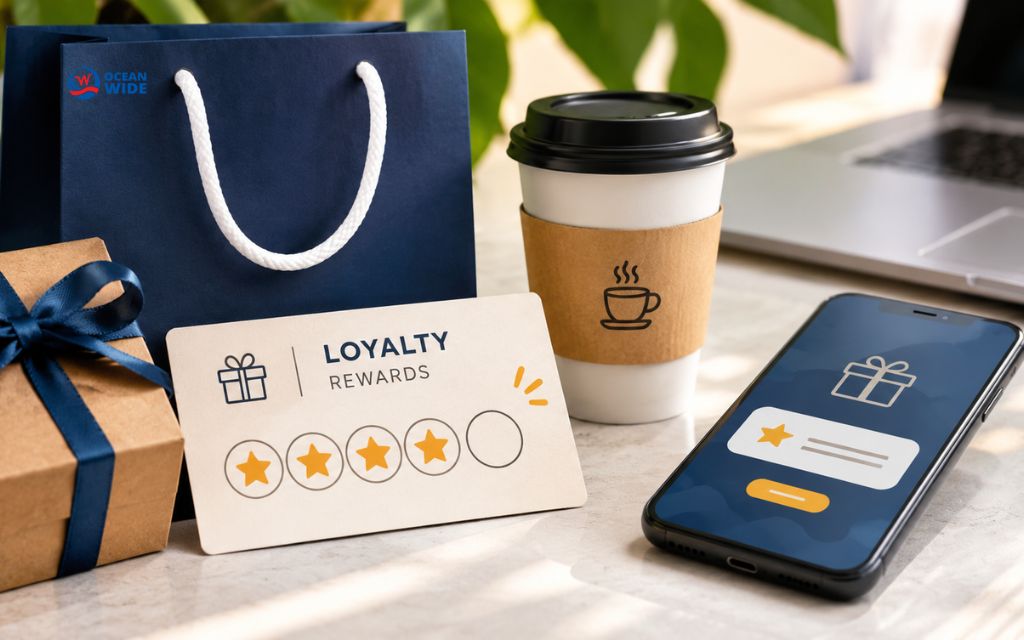
Why do some customers keep choosing the same brand when other businesses offer comparable products, lower prices, or more convenient options? What is brand loyalty, and how does it influence those decisions? Brand loyalty develops when customers form a lasting preference for a brand based on the value, trust, and experiences it provides.
Over time, that preference can support repeat purchases, stronger customer relationships, and organic recommendations. Understanding how loyalty develops helps businesses create marketing strategies that give customers meaningful reasons to return.
What is brand loyalty and how does it work
Brand loyalty is a customer’s sustained preference for a particular brand over competing alternatives. It develops when customers consistently associate that brand with qualities they value, such as dependable performance, positive experiences, or shared beliefs.
In marketing, brand loyalty describes both how customers feel about a brand and how that preference influences their decisions. Being brand loyal does not necessarily mean buying exclusively from one company or accepting every price increase. Customers can remain loyal while occasionally purchasing competing products.

How does brand loyalty work?
Loyalty often begins when a product or service meets a customer’s expectations. Subsequent positive interactions reinforce confidence, making the brand a familiar and preferred choice. Customers may eventually spend less time comparing alternatives because previous experiences give them confidence in what they will receive.
Consider someone who repeatedly purchases running shoes from the same brand because the fit, durability, and comfort meet their needs. Even when competing shoes go on sale, they may prefer the brand they already trust. That deliberate preference illustrates brand loyalty more clearly than repeat buying motivated solely by convenience.
Why is brand loyalty important?
Increases customer retention and repeat purchases
Customers who trust a brand have stronger reasons to return when another purchase is necessary. Consistent loyalty can help businesses retain customers and reduce the likelihood of losing them to comparable competitors.

Supports long-term revenue and profitability
Repeat purchases can create more predictable revenue and increase the economic value of customer relationships. Profitability, however, still depends on margins, servicing costs, discounts, and the amount spent on retention initiatives.
Reduces reliance on customer acquisition
Maintaining relationships with existing customers can reduce the pressure to replace lost customers through advertising and other acquisition campaigns. Businesses still need to attract new audiences, but a dependable customer base can support a more balanced growth strategy.
Strengthens competitive advantage
Established brand preferences can make customers less responsive to competing promotions. Businesses with differentiated products, reliable service, or distinctive experiences may also have greater pricing flexibility, provided customers continue to perceive sufficient value.

Encourages brand advocacy and word-of-mouth marketing
Loyal customers may recommend products, share experiences online, or introduce the brand to friends and colleagues. These voluntary actions can help build credibility among potential customers who are researching unfamiliar brands.
Brand loyalty vs. customer loyalty
Brand loyalty and customer loyalty overlap, but their emphasis differs. Brand loyalty focuses on preference for a particular brand, while customer loyalty more broadly describes an ongoing relationship with a business, retailer, or service provider.
| Factor | Brand loyalty | Customer loyalty |
| Primary focus | Preference for a specific brand | Continued patronage of a business |
| Motivation | Brand trust, identity, quality, and perceived value | Satisfaction, convenience, rewards, service, and trust |
| Emotional connection | May play a significant role | Can be emotional, practical, or both |
| Price sensitivity | May be lower when the brand offers distinctive value | Varies according to the customer’s motivations |
| Example | Choosing the same coffee brand at different retailers | Returning to the same grocery store for its service and convenience |
What are the different types of brand loyalty?
Marketing research commonly examines loyalty through two dimensions: behavior and attitude. The loyalty framework developed by Dick and Basu connects relative preference with repeat patronage. Applied to brands, these dimensions produce four useful loyalty patterns.
Spurious loyalty
Customers demonstrate behavioral loyalty by repeatedly purchasing the same brand despite having little preference for it. Habit, convenient availability, limited alternatives, or switching costs may explain their behavior. When those conditions change, customers may readily consider another option.

Latent loyalty
Customers demonstrate attitudinal loyalty by strongly preferring a brand but purchasing it infrequently because of financial constraints, limited availability, or the nature of the product. Someone saving for a preferred car brand may demonstrate attitudinal loyalty long before completing a purchase.
Genuine brand loyalty
Strong brand preference accompanies consistent purchasing when opportunities arise. Customers have practical or emotional reasons to choose the brand and are relatively resistant to comparable alternatives. This combination offers stronger evidence of loyalty than purchasing frequency alone.

No loyalty
Customers show little preference and little repeat purchasing. They may choose among several brands based on immediate needs, price, or availability. Identifying this pattern helps businesses understand where stronger differentiation or improved experiences may be necessary.
These patterns describe the strength and expression of loyalty rather than a fixed sequence of brand loyalty levels that every customer must follow.
What drives brand loyalty?
Customers develop loyalty for different reasons, depending on their needs, purchasing habits, and experiences. Several factors are especially relevant to the strength of their brand preference.
Product and service quality
Reliable quality gives customers confidence that future purchases will deliver expected results. Performance, durability, consistency, and effective service all contribute to perceived reliability.
Positive and consistent customer experiences
Every interaction shapes the relationship, including product discovery, checkout, delivery, and after-sales support. Customers are more likely to develop confidence when these experiences consistently meet their expectations.

Brand trust and credibility
Transparent pricing, accurate product information, responsible data practices, and dependable commitments help customers feel comfortable choosing a brand. Trust can become particularly important when purchases involve substantial cost or uncertainty.
Emotional connection and shared values
Some customers prefer brands that reflect their identity, interests, aspirations, or personal beliefs. Emotional attachment can make a brand more meaningful, especially when its actions consistently reflect the values it communicates.

Perceived value and customer satisfaction
Customers evaluate what they receive against the money, time, and effort involved. Strong perceived value may come from convenience, expertise, product longevity, or service quality rather than the lowest available price. Satisfaction helps reinforce preference, although satisfied customers may still switch brands.
How to build brand loyalty
Building loyalty requires ongoing attention to what customers value and how well the business delivers it. The following strategies help translate those insights into everyday marketing and customer experience decisions.
1. Understand your customers
Review customer feedback, purchase histories, support requests, and survey responses to identify why people choose your brand and what prevents them from returning. Segment customers by relevant needs or purchasing patterns instead of assuming every audience values the same benefits. Use those insights to improve products, communications, and service priorities.
2. Deliver consistent product and service quality
Establish clear quality standards and monitor recurring issues, such as defects, delivery delays, or inconsistent service. Train employees to meet customer expectations and give them practical ways to resolve problems. Marketing promises should reflect what customers can reliably experience after making a purchase.
3. Create a memorable brand experience
Map the customer journey and identify moments where confusion or unnecessary effort weakens the experience. Effective website design and development can support this effort through intuitive navigation, clear product information, and accessible customer support. Maintain recognizable messaging and service standards across digital and physical touchpoints.
4. Personalize customer interactions
Use relevant, permission-based customer information to provide useful recommendations, timely reminders, or content tailored to individual interests. Avoid excessive messaging and explain how personal data is used. Give customers control over their communication preferences so personalization remains helpful rather than intrusive.
5. Build relationships through social media
Use social channels to answer questions, share helpful content, acknowledge feedback, and show how the brand operates. Thoughtful social media copywriting helps maintain a recognizable voice while adapting messages to different audience needs. Consistent interaction can strengthen familiarity and trust between purchasing occasions.
6. Develop a meaningful loyalty program
Design rewards around benefits customers genuinely value, such as useful discounts, early access, priority support, or exclusive experiences. Keep participation requirements and redemption rules easy to understand. Monitor whether the program encourages additional engagement and profitable repeat purchases rather than simply rewarding transactions that would have occurred anyway.
7. Build an engaged brand community
Give customers opportunities to connect through shared interests, educational events, discussion groups, or voluntary user-generated content. Encourage members to exchange experiences and help one another. Communities work best when participation offers meaningful value beyond promotional messages and customers feel comfortable expressing both positive and critical opinions.
8. Listen to customer feedback and improve
Collect feedback at relevant stages of the customer journey, then identify recurring concerns and prioritize improvements. Communicate meaningful changes so customers can see how their input influences the business. When problems occur, acknowledge them, offer appropriate solutions, and address their underlying causes to reduce the risk of recurrence.

What causes customers to lose brand loyalty?
Even established brand preferences can weaken when customers repeatedly encounter disappointing experiences or discover alternatives that better meet their needs. Common causes include:
- Declining product quality or inconsistent service.
- Price increases that customers perceive as unjustified.
- Poor complaint handling or unresolved customer support issues.
- Misleading marketing claims and unfulfilled commitments.
- Intrusive personalization or irresponsible handling of customer data.
- Complicated loyalty programs with limited practical benefits.
- Products or experiences that no longer match changing customer needs.
Monitor customer complaints, cancellations, and declining purchase frequency alongside survey feedback. Understanding why customers leave is essential because different causes require different responses. Additional discounts, for example, may do little to rebuild trust after repeated service failures.
Real-world examples of brand loyalty
Apple
Apple supports customer relationships through an integrated product ecosystem. Its Continuity features allow compatible devices to share information and transfer activities between them. Customers who value this connected experience may prefer Apple when purchasing additional devices, although switching costs can also influence that decision.
Starbucks
Starbucks uses its rewards program to offer Stars, personalized benefits, and membership tiers. These incentives give customers reasons to return, while familiar products and positive service experiences can reinforce brand preference beyond the rewards themselves.
Nike
Through Nike Membership, the company offers access to running and training apps, exclusive experiences, and product customization. These resources connect the brand with customers’ fitness goals and interests, creating opportunities for engagement even when members are not purchasing sportswear.
How to measure brand loyalty
Effective measurement combines actual customer behavior with evidence of brand preference. Businesses can track the following indicators using transaction data, customer relationship systems, and surveys.
| Metric | What it measures | What to consider |
| Customer retention rate | Percentage of starting customers retained during a defined period | Adapt the definition of an active customer to the normal purchasing cycle. |
| Repeat purchase rate | Percentage of customers in a defined cohort who purchase again within a specified period | Repeat purchases may reflect convenience or incentives rather than preference. |
| Customer lifetime value (CLV) | Estimated economic value of a customer relationship over time | Results depend on assumptions about future purchases, margins, and costs. |
| Net Promoter Score (NPS) | Stated likelihood of recommending the brand | Recommendation intent does not establish actual advocacy or repeat purchases. |
| Brand preference and purchase intention | Customers’ stated choice among alternatives and likelihood of buying | Survey responses may differ from actual purchasing behavior. |
Compare these measures over consistent time periods and across relevant customer segments. For businesses using social channels, relevant social media KPIs such as meaningful engagement and repeat interactions can provide additional context. Follower counts and likes alone cannot demonstrate brand loyalty.
Conclusion
Answering the question “what is brand loyalty?” helps businesses understand why customers return and what makes those relationships sustainable. Dependable quality, customer trust, relevant communication, and positive experiences give people stronger reasons to choose a brand repeatedly. Measuring both behavior and preference helps identify where those relationships can improve.
At The Ocean Wide, we help businesses strengthen customer relationships through our social marketing services, combining audience research, content creation, community engagement, and performance analysis. Contact our team to develop a social media strategy that supports meaningful connections and long-term brand loyalty.
Frequently asked questions (FAQs)
Can brand loyalty exist without repeat purchases?
Yes. Customers may strongly prefer a brand but have limited opportunities to buy because of budget, availability, or long product replacement cycles. This reflects attitudinal loyalty, although actual purchases provide additional evidence of commitment.
How long does it take to build brand loyalty?
There is no universal timeline. Purchase frequency, customer expectations, industry characteristics, and experience quality influence how quickly loyalty develops. Consistent positive interactions generally provide a stronger foundation than short-term promotional activity.
Can a brand build loyalty without a loyalty program?
Yes. Product reliability, helpful customer service, trustworthy communication, and distinctive experiences can encourage lasting brand preference without points or membership rewards. Loyalty programs are optional tools that can reinforce these existing relationships.
How does social media influence brand loyalty?
Social media provides opportunities for ongoing communication, customer support, community participation, and useful content. These interactions can strengthen brand familiarity and trust, particularly when they reflect the experience customers receive elsewhere.
What is the difference between brand loyalty and brand advocacy?
Brand loyalty reflects sustained preference for a brand, while brand advocacy involves actively recommending or supporting it. Loyal customers may become advocates, but some prefer to keep their positive experiences private.
Does brand loyalty make customers less price sensitive?
Brand loyalty may reduce price sensitivity when customers believe a brand offers distinctive value or reliability. However, affordability and perceived fairness still influence purchasing decisions, especially when price increases exceed the benefits customers associate with the brand.
What is the difference between brand loyalty and brand awareness?
Brand awareness measures whether customers recognize or recall a brand. Brand loyalty reflects a continuing preference for that brand. People can recognize many competing brands without feeling committed to any particular one.