Skip to content


Every business, from a solo freelancer to a growing agency, can run a social media campaign. You do not need a big budget or a large team, just a clear plan, the right platform, and a way to measure what works. This guide walks through how to build a social media campaign plan from the ground up, with real examples and the mistakes to avoid along the way. Whether you sell to consumers or other businesses, the same core steps apply. Follow them in order, and you will finish with a plan ready to launch.
What is a social media campaign
A social media campaign is a focused marketing effort built around one business goal. It runs on one or more platforms, for a set period, with a clear beginning and end. This sets it apart from regular posting, which keeps a brand visible over time but has no fixed finish line. A campaign pushes toward a specific result, whether that is more leads, more sales, more awareness, or a stronger brand reputation, within a set window of time.
Every campaign shares the same core elements: a defined objective, a target audience, a creative concept, a platform plan, and a way to measure success. Campaigns also take different forms, from product launches and seasonal promotions to engagement pushes built around contests or user-generated content. Whatever the format, a singular goal and a fixed timeline are what make results possible to track and compare.

How to plan your social media campaign
Every social media campaign plan holds three things together: a goal, an audience, and a budget. Skip any one of them and the campaign drifts. Here is how to build each piece before you write a single post.
Set a clear, measurable goal
Start with one goal. Not five. One. Trying to raise awareness, drive sales, and grow an email list at the same time usually accomplishes none of them well.
Common goals include building brand awareness, growing an email list, driving website traffic, generating sales, and launching a new product. Each one points to a different metric. Awareness ties to reach and follower growth. An email list ties to sign-ups and cost per lead. Website traffic ties to click-through rate and sessions from social. Sales tie to conversion rate and return on ad spend. A product launch ties to pre-orders and product page visits.
Pick the goal that matches your business need right now. Then write it down as a number. “Grow brand awareness” is vague. “Reach 50,000 people in our target market over four weeks” is a goal you can plan against and measure.
Research your audience
You do not need a data science team to understand your audience. Start with what you already have. Look at your website analytics, your email list, and your past social posts. Which posts got saves, shares, or comments? Which products or services came up most in customer questions?
Build a simple profile: age range, location, the problem they are trying to solve, and where they spend time online. If you sell to other businesses, LinkedIn and industry groups matter more than Instagram. If you sell direct to consumers, Instagram, TikTok, and Facebook usually carry more weight. Talk to a handful of current customers if you can. Five real conversations often reveal more than a week of guessing.
Set a realistic budget
Budget for more than ad spend. Plan for paid promotion (boosted posts and platform ads), content production (photography, video, and design), tools (scheduling software and analytics dashboards), and, if the campaign calls for it, talent or influencer fees.
Most businesses starting out split spend close to 70 percent toward paid promotion and 30 percent toward content and tools, though the ratio shifts depending on how much organic reach the brand already has. If you are new to paid social, start small. Run a limited test, measure the result, then scale the budget toward what performs.

Choose the right platforms
Not every platform fits every goal. Spreading a small budget across five channels usually performs worse than focusing on two that match your audience.
| Platform | Best for |
| Visual products, lifestyle brands, direct-to-consumer | |
| TikTok | Reaching younger audiences, brand personality, virality |
| Local businesses, community groups, older demographics | |
| B2B marketing, recruiting, thought leadership | |
| Home, fashion, food, planning-stage shopping |
Create content that fits your channel mix
Develop your creative concept
Every strong campaign has one creative idea running through it, a theme, a visual style, or a message that ties every post together. This keeps the campaign recognizable even as individual posts change. Write a one-line concept before you produce anything: what is the single idea a viewer should walk away with? Keep your brand voice consistent across every asset, from captions to color choices.
Balance paid and organic content
Organic content builds trust over time. Paid content extends reach fast. Most campaign plans need both. Use organic posts to test which messages and formats connect before you put ad spend behind them. Once you find a post that performs well organically, use it as the base for a paid version. This lowers your risk and improves your return on ad spend, since you are amplifying something proven rather than guessing.
Launch and manage your campaign
Strong campaigns move through phases instead of launching everything at once. Start with a short tease to build curiosity, then move into the launch phase, publishing core content and putting paid budget behind top performers. Keep momentum going with user-generated content, testimonials, and retargeting ads aimed at people who engaged but did not convert. Close with a final push, then shift back to your regular content calendar.
Set a firm start and end date before you launch. Fixed dates keep spending in check and give you a clean before-and-after comparison once the campaign ends. Check performance every few days, not just at the close. Shift budget toward whatever is outperforming, and pause spend on anything that is underdelivering.
Respond to comments and messages quickly while the campaign runs. Campaigns draw more attention than regular posts, and fast, personal replies build the trust that turns a viewer into a customer.
Track the KPIs that matter
Reach and likes feel good, but they rarely prove a campaign worked. Track metrics tied to your original goal:
- Engagement rate: Shows whether content resonates, measured as likes, comments, and shares relative to reach
- Click-through rate: Shows whether the message drives action, measured as clicks relative to impressions
- Conversion rate: Shows whether the offer works, measured as purchases or sign-ups relative to clicks
- Cost per lead or sale: Shows the efficiency of paid spend, measured as ad spend relative to results
- Follower growth: Shows long-term audience gain, measured as new followers during the campaign window
Campaign examples worth studying
Gymshark: Community over ad spend
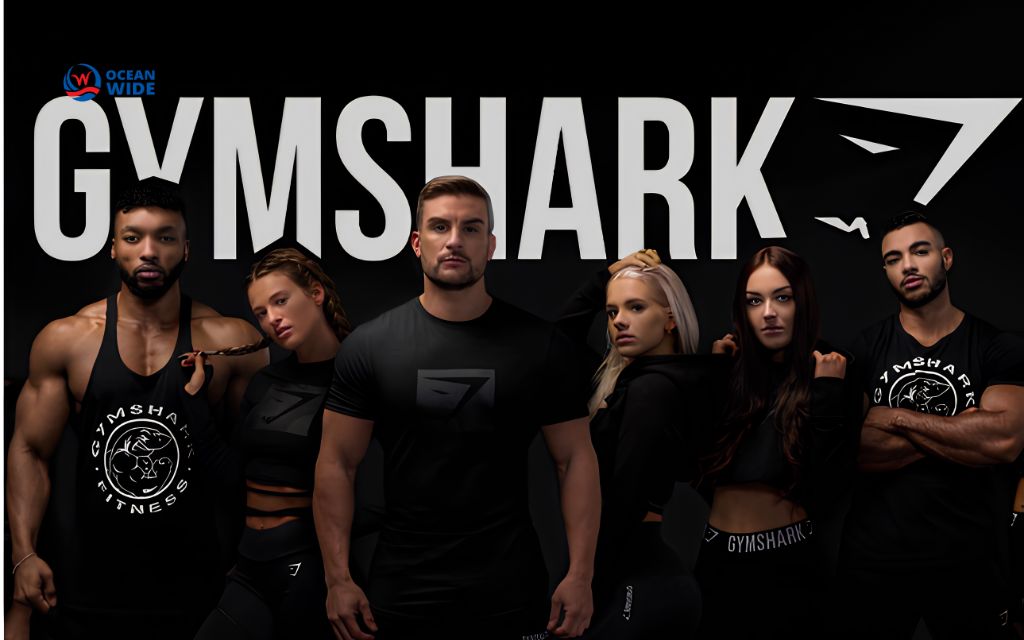
Gymshark grew from a small screen-printing startup into a billion-pound fitness brand by partnering with fitness influencers and encouraging customers to share their own content with branded hashtags, rather than leaning on paid ads.
Lesson: Consistent community engagement and user-generated content can outperform a large ad budget over time.
Duolingo: Pairing paid and organic
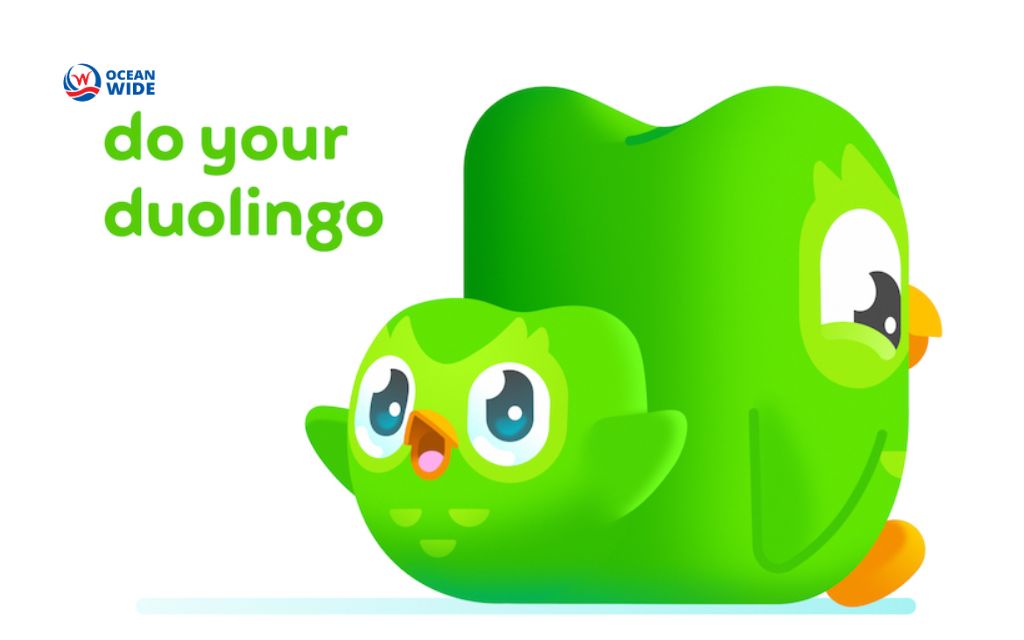
Duolingo’s TikTok campaign in Brazil paired paid promotion with organic, platform-native content built around its owl mascot. Per TikTok’s own case study, it grew Duolingo’s follower base by more than 1,400 percent and reached over 38 million unique users.
Lesson: Content built specifically for a platform outperforms content repurposed from elsewhere.
Coca-Cola: Share a Coke
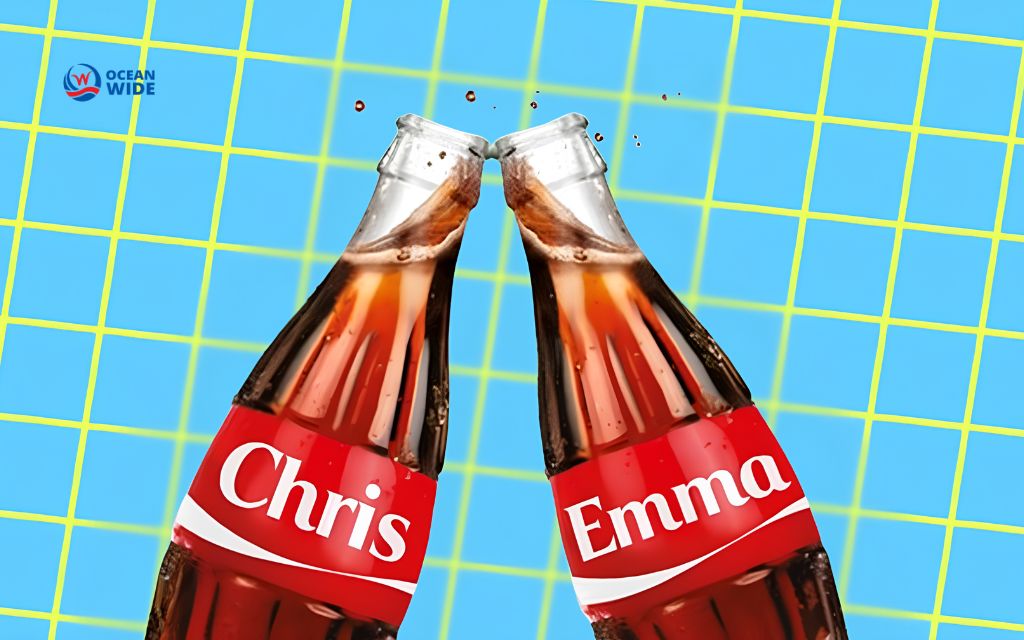
Coca-Cola swapped its logo for popular first names on bottles and cans, launching the idea in Australia before expanding it to more than 70 countries. The personalization sparked hundreds of thousands of user-shared photos on social media and helped reverse more than a decade of declining Coke sales in the US.
Lesson: Giving people a personal reason to share turns a product into content people want to post.
Common social media campaign mistakes to avoid
Even a well-planned campaign can stumble on avoidable errors. Watch for these:
- Chasing viral reach instead of a business goal: Views do not pay bills, so tie every post back to the campaign goal
- Skipping the baseline measurement: You cannot prove a lift without a starting point, so record key metrics before launch
- Posting the same content on every platform: Content built for one platform often underperforms elsewhere, so adapt format and tone per channel
- Running the campaign with no end date: Budget and focus drift over time, so set a fixed start and end date
- Ignoring comments and messages during the campaign: Missed engagement lowers trust and reach, so monitor and respond daily during launch
- Spreading a small budget across too many platforms: Thin budget rarely moves the needle anywhere, so focus spend on one or two platforms that fit your audience
Trends shaping campaigns now
AI-assisted content creation
AI tools now help small teams draft captions, generate content variations, and test creative faster than manual production alone allows. Used well, AI speeds up production without replacing the strategy and judgment a campaign still needs. Treat AI output as a first draft, not a finished asset, and edit it to match your brand voice before it goes live.
Influencer collaborations
Partnering with creators, especially smaller, niche creators with an engaged following, gives a campaign built-in trust that paid ads alone cannot buy. Micro-influencers with a few thousand highly engaged followers often deliver stronger results per dollar than a single large-scale partnership, since their audience already trusts their recommendations.
Short-form video marketing
Short, vertical video continues to outperform static images across most platforms. Businesses that build campaigns around short-form video, rather than adapting a static ad after the fact, tend to see stronger engagement and reach. You do not need studio production. Simple, authentic video often performs better than polished, overly produced content.
Conclusion
Running a social media campaign well takes planning, not luck. Clear goals, the right platform, and consistent tracking turn a scattered set of posts into a campaign that moves your business forward. If building and managing that plan feels like more than your team has time for, The Ocean Wide can help. Based in Denver, Colorado, our social media service works with small businesses and startups across the region to plan, launch, and manage campaigns that support real business goals. Reach out to The Ocean Wide at 720-295-9270 to talk through your next campaign.
Frequently asked questions (FAQs)
How do you create a social media campaign?
Start with one measurable goal, define your target audience, pick one or two platforms where that audience spends time, set a budget, and build content around a single creative concept. Launch with a set start and end date, track your KPIs weekly, and adjust based on what the data shows.
How much does it cost to run a social media campaign?
Cost depends on your goal, platform, and whether you use paid promotion. Small businesses can start testing with a modest ad budget and scale spend toward the posts and audiences that perform best, rather than committing a large budget up front.
How long should a social media campaign run?
Most campaigns run two to six weeks. Shorter campaigns work well for product launches or limited-time offers. Longer campaigns suit brand awareness or community-building goals. Set a fixed end date regardless of length so you can measure results cleanly.
What is the difference between a social media campaign and regular posting?
Regular posting keeps a brand visible over time with no fixed end point. By contrast, a campaign is a focused push tied to one goal, with a defined start date, end date, and a way to measure whether it worked.
Do I need paid ads to run a successful social media campaign?
No, but paid ads usually extend reach faster than organic content alone. Many effective campaigns start organic to test which content resonates, then put paid budget behind the posts that already show strong engagement.