Skip to content

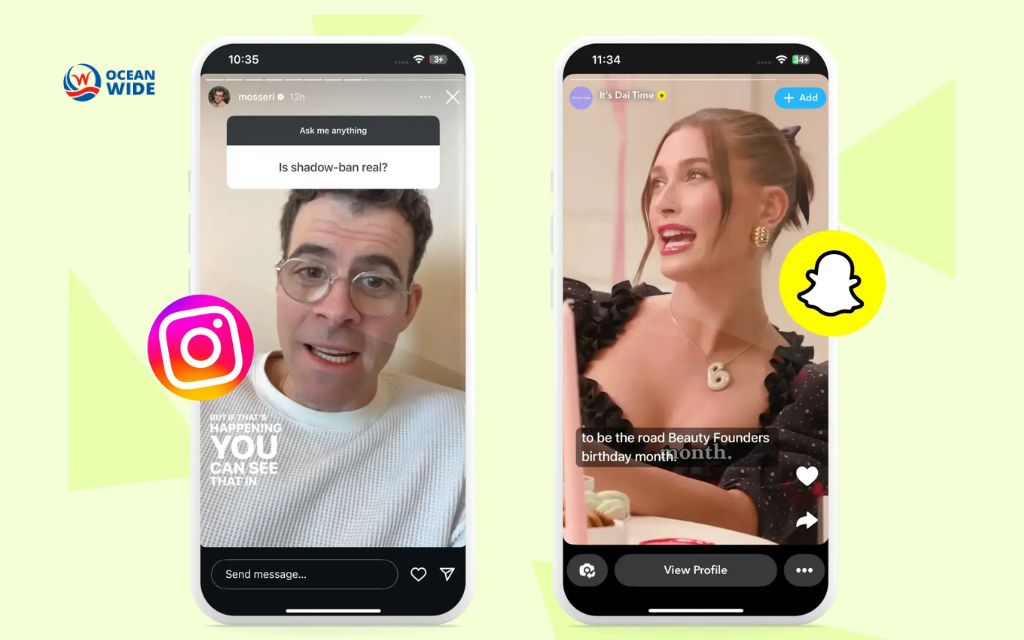
Open any major social platform and you will see it within seconds. Maybe it is a photo that vanishes after a day, or a video that only your closest followers can watch once. This is ephemeral content, and it has changed how brands and everyday users share moments online.
Marketers now treat ephemeral stories as a core part of their social media toolkit, not a side experiment. This guide breaks down what ephemeral content actually is, how it compares to permanent posts, how each major platform handles it, and how to use it well.
What is ephemeral content
Ephemeral content is any post, image, or video that stays live for a limited window, usually 24 hours, before it disappears. Instagram Stories, Snapchat Snaps, and Facebook Stories are the clearest examples, though the idea predates social media in disposable print and broadcast media that only mattered for a single day or a single broadcast slot.
Brands lean into the format because its casual, unpolished look reads as more authentic than a fully produced ad. Research published in 2023 by Barnea, Meyer, and Nave in the Journal of Marketing Research found that knowing a certain ephemeral social media post will vanish for good pushes viewers to focus harder while it lasts, which helps explain why the format holds attention so well.
Ephemeral content vs permanent content
Both formats serve a purpose, and the strongest social media strategies use them together rather than picking one over the other. Ephemeral content typically lasts 24 hours or less, favors a casual and spontaneous tone, and works best for behind the scenes moments, flash offers, and quick updates, usually appearing at the top of the app in a story tray or feed banner. Permanent content stays on the profile indefinitely, carries a more polished and brand consistent tone, and works best for cornerstone content, evergreen education, and portfolio pieces that live in the main feed or profile grid.
Because ephemeral posts carry less production weight, they give a brand room to test new messaging, share raw footage, or try a joke that might not fit a permanent feed. Permanent content still carries the job of building a durable, searchable brand presence.
Ephemeral content features by platform
Instagram stories
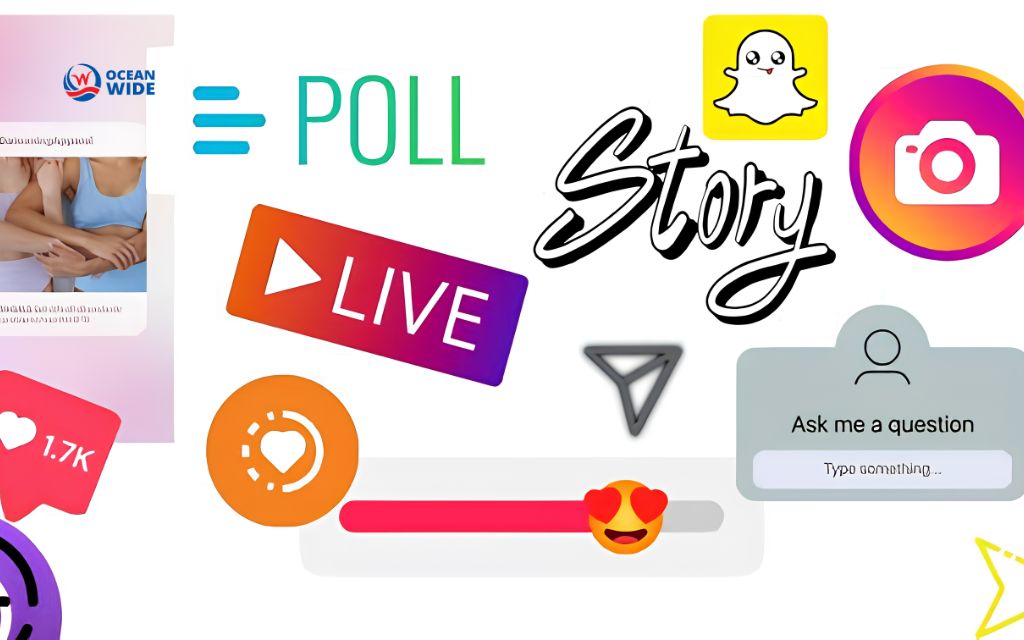
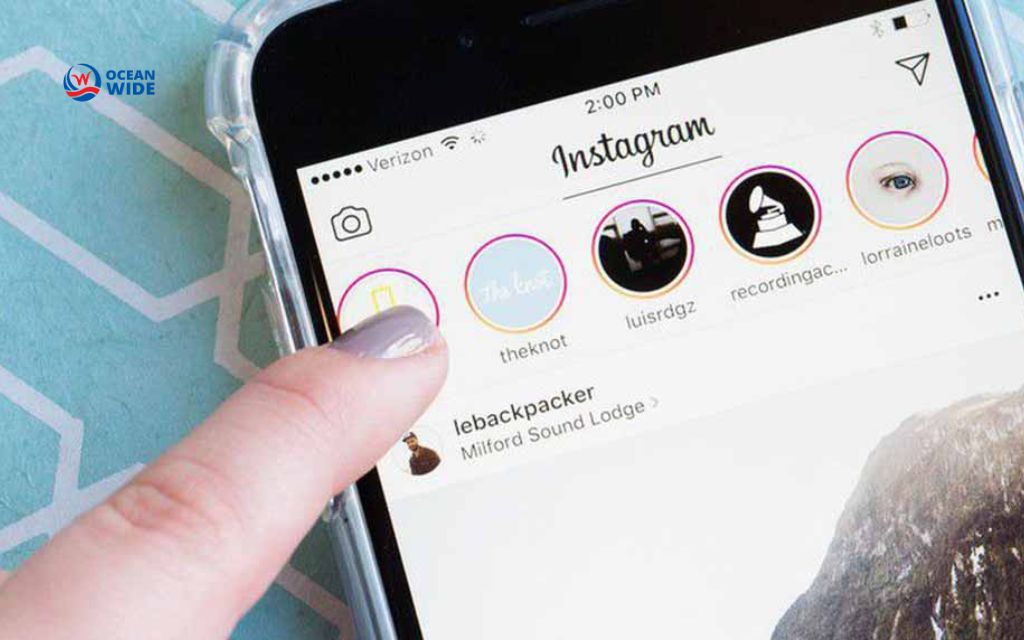
Instagram Stories sit at the top of the app, above the main feed, and remain one of the most widely used ephemeral formats available today. More than 500 million accounts open Instagram Stories every day, a figure that has held steady for years and shows how deeply the format is embedded in daily habits. Instagram gives brands interactive stickers such as polls, question boxes, countdowns, and quizzes, all of which turn a passive viewer into an active participant.
Snapchat
Snapchat built its entire identity around disappearing messages long before Stories existed on other platforms. Snaps sent directly to a friend disappear after being viewed once, while content added to a Snapchat Story stays visible for 24 hours to a wider audience. The platform still skews toward a younger demographic that values quick, informal communication over polished posts.
Facebook stories
Facebook Stories work almost identically to their Instagram counterpart, since Meta owns both platforms and allows cross-posting between them with a single tap. Facebook Stories tend to reach a slightly older audience than Instagram, which makes the format useful for brands whose customer base skews toward that demographic.
Common use cases for ephemeral content
Product launches
Adding a short countdown sticker before a launch builds anticipation without giving away the full reveal. Teasing a new product through a disappearing story creates a sense of exclusivity for whoever catches it in time.
Behind the scenes content
Showing the workspace, the team, or the process behind a product humanizes a brand. Viewers respond well to unscripted glimpses that would feel out of place on a polished feed.
Flash sales and limited time offers
Because the content itself disappears, pairing it with a limited time discount code reinforces the same urgency twice. Shoppers who see a story mentioning a same day promo code have a clear reason to act immediately.
Polls and interactive questions
Simple polls and question stickers invite direct feedback and give a brand real signal about what its audience wants next. This kind of two way interaction is difficult to replicate in a static feed post.
Q&A sessions
Hosting a live question and answer session through Stories lets a brand address customer concerns in real time. It also surfaces the exact language customers use when they describe their own problems, which is valuable for future content.
Live event coverage
Conferences, store openings, and community events translate well into ephemeral coverage because the content matches the temporary nature of the event itself. Viewers who could not attend still feel included in the moment.
Influencer collaborations
Influencers often prefer ephemeral formats because they can share a genuine reaction without committing it to their permanent feed. Brand partnerships shared through a disappearing story frequently read as more candid than a sponsored feed post.
Community engagement
Reposting customer photos, celebrating milestones, or thanking followers through Stories keeps a brand’s presence active between larger content pushes. It signals that a business is paying attention to its own community, not just broadcasting to it.
Best practices for creating engaging stories
Consistency matters more than volume. Posting two to five times a week on a predictable schedule tends to outperform sporadic bursts followed by silence. Establishing a recurring theme, such as a weekly behind the scenes segment, gives an audience a reason to check back.
Storytelling structure also plays a role even within a short format. Opening with a question or a visual hook, building through the middle frames, and closing with a clear next step keeps viewers watching the full sequence instead of tapping away early.
Interactive stickers should appear regularly rather than as an occasional novelty. Polls, sliders, and question boxes convert a one way broadcast into a conversation, and the responses collected often double as informal market research.
Several habits undercut ephemeral content more often than any other mistake:
- Low quality visuals: Grainy or poorly lit footage reads as careless, even in a casual format.
- No clear call to action: Viewers rarely take the next step on their own without direction.
- Overproduced content: highly polished clips lose the authentic feel that makes the format work.
- Inconsistent posting: Irregular schedules train an audience to stop checking.
- Ignoring performance data: Skipping analytics means repeating the same weak content choices.
When ephemeral content works best in a broader strategy
Ephemeral content performs best as a complement to permanent posts, not a replacement for them. Brands can use Stories to tease an upcoming blog post, product page, or video, then link directly to that permanent asset for anyone who wants more detail. This pairing captures the urgency of the disappearing format while still driving traffic toward content that continues working long after the story itself is gone.
The format also fits naturally into email and other channels. Story previews of an email exclusive, or countdowns building toward a webinar, extend the reach of a campaign across multiple touchpoints instead of confining it to one channel.
Measuring the impact of ephemeral content
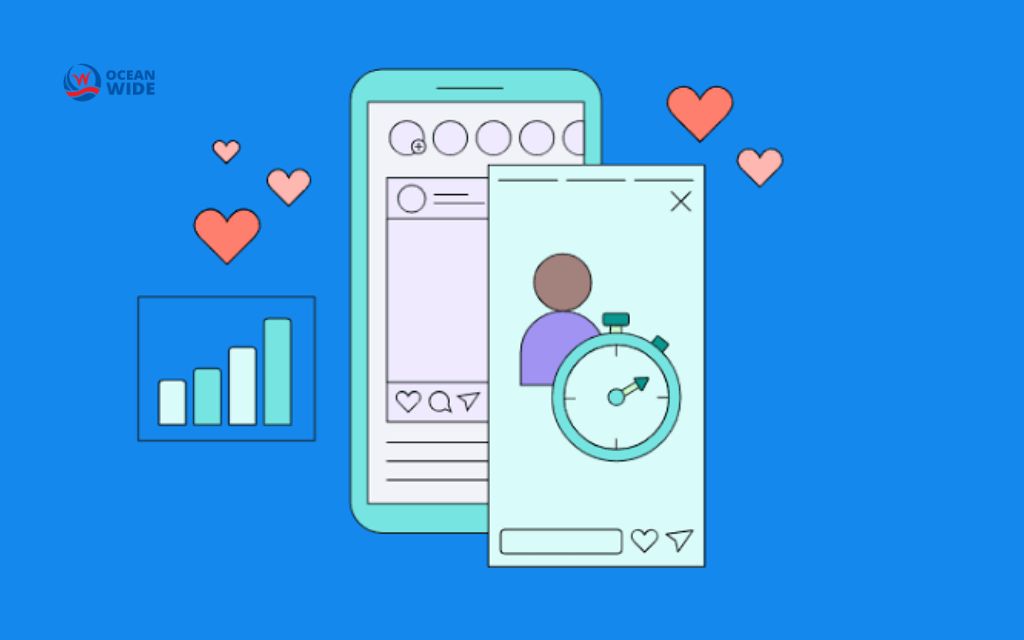
Two categories of metrics matter most when evaluating ephemeral content performance. Engagement metrics, such as completion rate, tap forward rate, replies, and sticker interactions, reveal whether the content holds attention through the full sequence. Conversion metrics, such as swipe up or link clicks, promo code redemptions, and direct message inquiries, reveal whether the content drives measurable business action.
Completion rate shows how many viewers watched an entire sequence rather than tapping past it. High tap forward rates on a specific frame usually signal that the moment lost viewer interest, information that is useful for refining future content. On the conversion side, unique tracking links or dedicated promo codes make it possible to connect a disappearing post directly to a sale, even after the content itself is gone.
Conclusion
Ephemeral content earns attention because it asks for it directly. Viewers know the window is short, so they watch closer, engage faster, and remember more of what they saw. Used alongside permanent content, it gives a brand a steady, low pressure way to stay visible, build trust, and turn casual viewers into active participants.
The Ocean Wide‘s social marketing service helps small and medium sized businesses build strategies that put ephemeral content to work alongside the rest of a brand’s digital presence. If your team wants a plan that fits your audience and your goals, reach out to The Ocean Wide at 720-295-9270 to get started.
Frequently asked questions (FAQs)
How long does ephemeral content typically last?
Most ephemeral content, including Instagram Stories, Snapchat Stories, and Facebook Stories, disappears after 24 hours. Direct Snaps sent to an individual can disappear immediately after being viewed once.
Is ephemeral content worth the effort for a small business?
Yes. Ephemeral content usually costs less to produce than a polished feed post, since the format rewards a casual, unscripted look. For a small business with limited time or budget, it offers a low cost way to stay visible and build trust with an audience.
What is the difference between a Story and a regular social media post?
Regular posts stay on a profile indefinitely and typically receive more editing before publishing. Stories disappear after a set window, usually 24 hours, and tend to favor quick, informal content over a heavily produced one.
How often should a brand post ephemeral content?
Two to five times per week tends to work well for most brands. Posting on a predictable schedule, rather than in occasional bursts, helps an audience form the habit of checking back.
Can ephemeral content actually drive sales?
Yes, particularly when paired with a limited time offer or a unique promo code. The disappearing format creates natural urgency, and tracking links or codes make it possible to measure the direct impact on conversions.