Skip to content


What is retargeting? It is a digital advertising strategy that reconnects with people who have already interacted with a business but have not completed a desired action. Those users may have visited a website, viewed a product, watched a video, or engaged with previous content. The Ocean Wide uses retargeting to keep high-intent audiences connected with relevant offers while supporting a clearer path towards enquiries, bookings, or sales.
What Is Retargeting?
Retargeting uses paid advertising to reach people who have already shown interest in a brand, website, app, product, or piece of content. If the question is what is retargeting, the simplest answer is that it gives businesses another opportunity to reconnect with warm audiences rather than starting every campaign with completely new prospects.
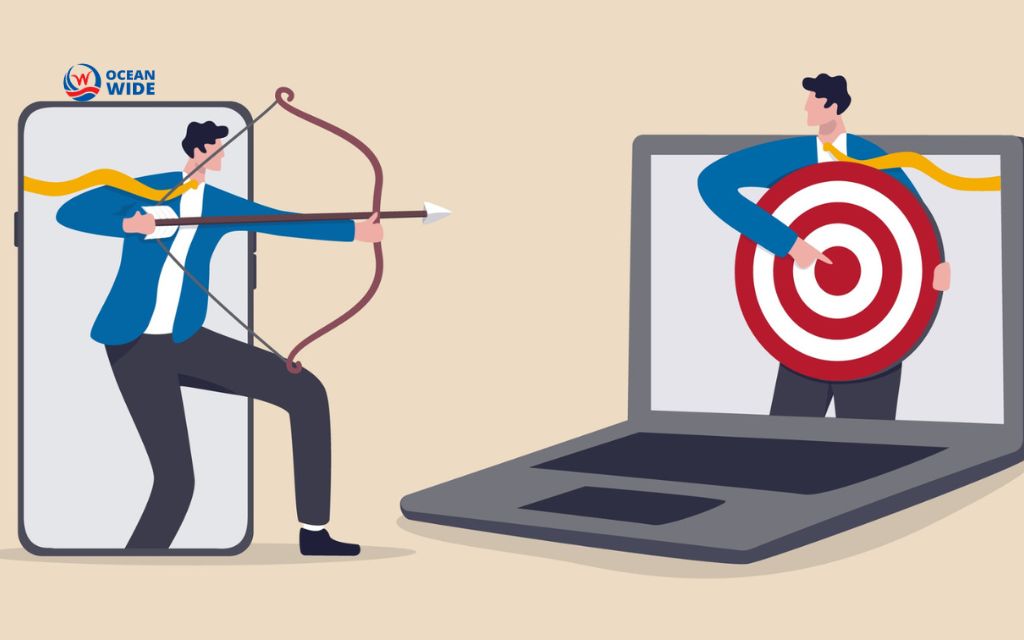
Current advertising platforms can build eligible audience segments from website activity, app interactions, customer information, or previous platform engagement. Some platforms now describe these groups as first-party data segments rather than traditional remarketing lists.
How Does Retargeting Work?
To understand what is retargeting, it helps to follow the audience journey. A campaign identifies previous interactions, groups eligible users by behaviour, serves relevant ads, and measures whether those users return or convert.
The process usually follows four steps:
- A User Interacts With Your Business: Someone visits a page, views a product, watches content, or completes another trackable action.
- The User Enters An Audience Segment: Eligible users join an audience based on behaviour, customer data, or platform engagement.
- Ads Re-Engage The User: Relevant ads appear across selected websites, apps, search results, videos, or social platforms.
- The Campaign Tracks The Next Action: Conversion tracking measures return visits, leads, purchases, revenue, or other campaign goals.

What Is A Retargeting Ad?
What is a retargeting ad? It is an advertisement shown to someone who has previously interacted with the advertiser or one of its digital properties. The creative often reflects the user’s earlier interest, such as a viewed product, service category, abandoned cart, or previous website visit.
For example, someone may view a landscaping service page, leave without requesting a quote, and later see a relevant retargeting ad while browsing social media.

What Are The Main Types Of Retargeting?
Different forms of retargeting advertising use different audience signals and creative approaches. The right type depends on available data, campaign goals, sales cycles, and where customers interact with the business.
- Pixel-Based Retargeting: Uses website or app activity to create eligible audience segments
- Dynamic Retargeting: Shows products or services related to what users previously viewed
- List-Based Retargeting: Uses eligible first-party customer data from CRM or email records
- Social Media Retargeting: Re-engages previous visitors or engagers through paid social campaigns
- Search Retargeting: Uses search behaviour or intent signals to reach relevant audiences

What Is The Difference Between Retargeting And Remarketing?
What is retargeting compared with remarketing? The two terms are often used interchangeably, although their historical meanings differ slightly. Retargeting usually refers to paid ads shown after previous digital interactions, while remarketing can describe broader re-engagement through advertising, email, CRM, or customer outreach.
| Aspect | Retargeting | Remarketing |
| Typical Meaning | Paid advertising aimed at previous visitors or engagers | Broader re-engagement with known audiences |
| Common Channels | Display, social, video, search, and apps | Ads, email, CRM, and customer communication |
| Audience Source | Website, app, content, or platform activity | Customer data and previous interactions |
| Main Goal | Bring interested users back | Reconnect audiences and encourage further action |
What Are The Benefits Of Retargeting?
Its main value comes from focusing advertising on people who already recognise the brand or have demonstrated some level of interest. This gives advertisers an opportunity to reinforce awareness, support conversion, and use budget more selectively.
Key benefits include:
- Keeps The Brand Visible: Maintains awareness after someone leaves without converting
- Supports More Conversions: Gives interested users another reason to return and act
- Targets Warmer Audiences: Prioritises people with previous brand interaction
- Creates More Relevant Ads: Messages can reflect previous interests or funnel stages
- Supports Multiple Funnel Stages: Campaigns can address consideration, conversion, or repeat purchase
- Improves Budget Focus: Spend can prioritise audiences with stronger intent signals

When Should You Use Retargeting?
Retargeting is most useful when a business already receives meaningful traffic or engagement but many users leave before taking the intended action. The strategy can also support repeat purchases or longer decision cycles when audiences need additional reassurance.
Common audience opportunities include:
- Product Viewers: Reconnect with users who explored products but did not purchase
- Cart Abandoners: Remind high-intent shoppers about products left before checkout
- Previous Customers: Promote relevant repeat purchases, services, or complementary offers
- Lead And Content Visitors: Re-engage users who consumed useful content without enquiring
- High-Intent Website Visitors: Reach visitors to pricing, service, booking, or contact pages
A strong social media engagement strategy can also create valuable audience signals before paid campaigns begin.

How Much Does Retargeting Cost?
There is no universal price for ad retargeting. Costs depend on the advertising platform, industry competition, audience size, placement, campaign objective, bid strategy, creative quality, and conversion goal.
Two common pricing structures are:
- CPC: The advertiser pays when someone clicks the ad
- CPM: The advertiser pays for every 1,000 ad impressions
CPA and ROAS should be treated as performance metrics rather than pricing models. Businesses can also review our guide to the cost of social media marketing for broader paid-social budgeting context.

How Do You Set Up A Retargeting Campaign?
A successful retargeting marketing campaign needs more than an audience list. Clear objectives, accurate tracking, useful segmentation, relevant creative, and disciplined optimisation should all support the same conversion goal.
Define The Conversion Goal
Choose one measurable action before building the campaign. The goal could be a purchase, booking, enquiry, registration, return visit, or another meaningful conversion.
Install Or Connect Your Tracking
Connect the appropriate tracking method before campaign launch. Depending on the platform, this may include website tags, analytics audiences, app events, CRM information, or approved customer lists.
Segment Audiences By Intent
Avoid treating every previous visitor as equally valuable. Separate audiences according to actions such as product views, repeat visits, cart abandonment, service-page activity, or completed purchases.

Set The Retargeting Window
Set the audience duration according to how long customers typically need before making a decision. Short purchase cycles may require only a brief follow-up period, while higher-value products or services often need more time. Review historical conversion data and adjust the window when audience response starts to weaken.
Create Relevant Ads
Match the creative to what the audience has already seen or considered. Product viewers may respond to reminders or benefits, while service-page visitors may need testimonials, proof, or a clearer reason to enquire. Keep the message specific enough to feel connected to the previous interaction.

Set Frequency And Exclusions
Control how often the same audience sees an ad so repeated exposure does not become frustrating. Exclude people who have already converted when the offer is no longer relevant, and separate existing customers when they need a different message. These controls also help protect campaign budget from unnecessary impressions.
Track And Optimise Performance
Review conversion rate, CPA, ROAS, frequency, click-through rate, and revenue against the original campaign goal. Look for consistent patterns before making major changes, then test one variable at a time so the effect is easier to measure. Regular reviews help identify which audiences, creatives, and placements deserve more investment.
What Retargeting Mistakes Should You Avoid?
Strong marketing retargeting should feel relevant rather than repetitive. Avoid these common mistakes:
- Targeting every visitor with the same message
- Ignoring differences in audience intent
- Using overly long audience windows
- Showing the same ad too frequently
- Forgetting to exclude converted customers
- Reusing one creative for too long
- Sending users to irrelevant landing pages
- Creating audiences that are too narrow
- Ignoring privacy and consent requirements
- Measuring clicks without conversion outcomes
- Scaling campaigns before enough performance data exists

How Do You Measure Retargeting Performance?
What is retargeting worth if it cannot be connected with meaningful business outcomes? Effective measurement should focus on what users do after seeing or clicking the ad rather than impressions alone.
Useful metrics include:
- Click-Through Rate: Measures how often ad impressions produce clicks
- Conversion Rate: Shows how many returning users complete the desired action
- Cost Per Conversion: Reveals how much each completed action costs
- Cost Per Acquisition: Measures spend required to acquire a customer
- Return On Ad Spend: Compares attributed revenue with advertising spend
- Frequency: Shows how often the average user sees the campaign
- Assisted Conversions: Captures influence before another channel completes the conversion
Performance reports should connect these metrics with the original campaign goal.

Drive More Conversions With Smarter Retargeting From The Ocean Wide
Retargeting becomes more valuable when audience strategy, creative, landing pages, and conversion tracking support one clear goal. At The Ocean Wide, we bring those elements together through our Social Marketing Service so businesses can reconnect with people who have already shown genuine interest.
Our approach goes beyond repeatedly serving the same ad. We review audience quality, campaign messaging, creative, landing-page experience, tracking, and performance to identify where stronger conversion opportunities exist. Businesses that need wider support can also explore our digital marketing services or review our marketing pricing. Call The Ocean Wide at (720) 334-0899 to discuss a more focused retargeting strategy.

Final Thoughts
The question “what is retargeting?” is best answered by looking at its purpose: bringing interested audiences back when they are more prepared to act. Effective campaigns rely on accurate audience data, relevant creative, and thoughtful timing rather than repeated exposure. This balance helps businesses stay visible while keeping the customer experience useful and focused.