A frustrated customer can turn to social media in seconds, making a complaint about late delivery, poor service or a disappointing product visible to a much wider audience. But not every social media complaint is a reputation crisis. A thoughtful response can show that your business listens and knows how to make things right. The key is knowing when to respond publicly, when to take the conversation elsewhere and what to avoid.
What Are Social Media Complaints?
Social media complaints are negative comments, posts, reviews, direct messages, or brand mentions in which customers express dissatisfaction with a business, product, service or experience.
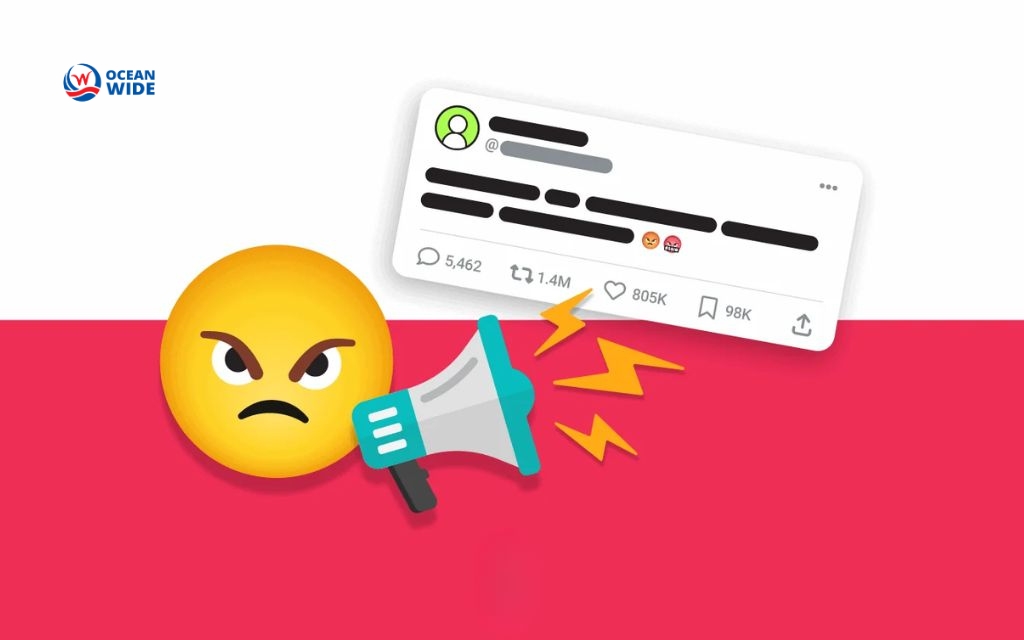
Some complaints are sent directly to the company through a DM or tagged comment. Others appear in public posts where the business is never tagged at all. Common examples include complaints about damaged products, delayed deliveries, billing problems, slow customer service, poor in-store experiences or a company policy that customers find frustrating.
Why Do Social Media Complaints Matter?
A complaint made over the phone usually stays between the customer and the company. A complaint posted on Instagram, Facebook, TikTok, X, or another public channel can attract comments, screenshots, shares, and additional stories from other customers. How your business responds becomes part of the customer experience too.
Recent Sprout Social research shows how important social platforms have become as customer-service channels. In its 2026 research, 68% of consumers said they expect a response within 24 hours, while 24% expect one within one to two hours. The same research found that 55% would rather message a company privately, while others still turn to comments or direct brand tags.
Think of it this way: the unhappy customer is not always the only person reading your reply. Potential customers may be watching how you handle the situation before deciding whether they trust your company.
How Should You Handle Social Media Complaints?
There is no perfect script for every customer problem. A missing order requires a different response from a billing dispute or a serious safety concern. Still, a few principles can help businesses handle most situations professionally.
Respond Quickly, But Do Not Rush
Customers may not expect an instant solution, but they do expect a timely response. Sprout Social found that 73% of consumers expect brands to reply within 24 hours or sooner. Acknowledge the issue quickly, then take time to verify the details before giving a final answer. If more time is needed, let the customer know you are looking into it and will follow up.
Show That You Understand The Problem
Customers can tell when a response comes from a generic template.
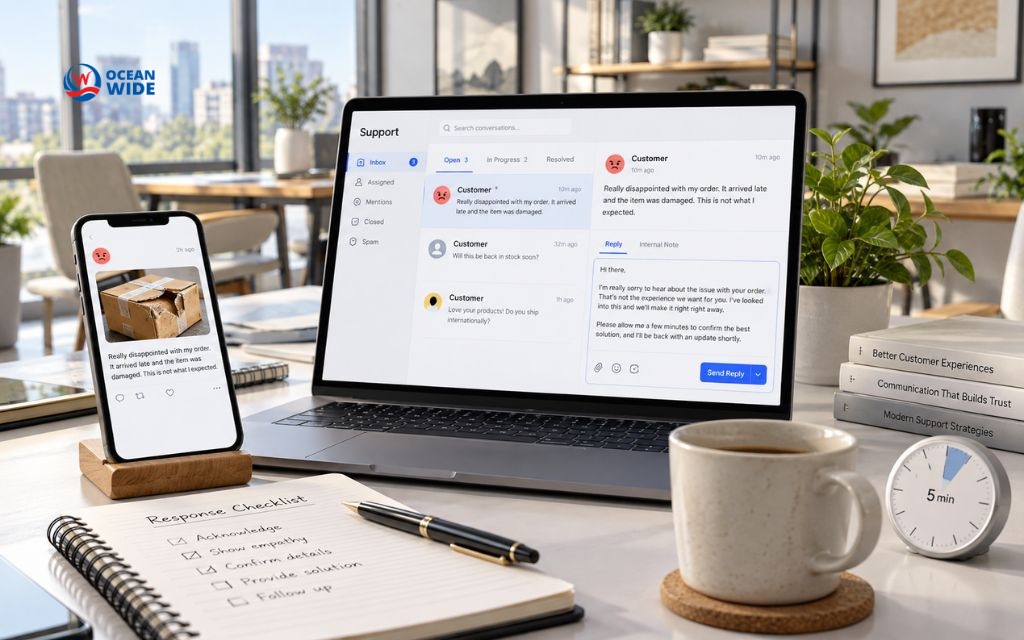
Compare these two replies:
- “Sorry for the inconvenience. Contact customer support.”
- “We’re sorry your order arrived damaged. Please send us your order number by DM so we can arrange the next step.”
The second response acknowledges the actual issue and tells the customer what to do. You do not need an elaborate apology. You need to show that you read the complaint and understand why the customer is frustrated.
Know When To Move The Conversation To Private Messages
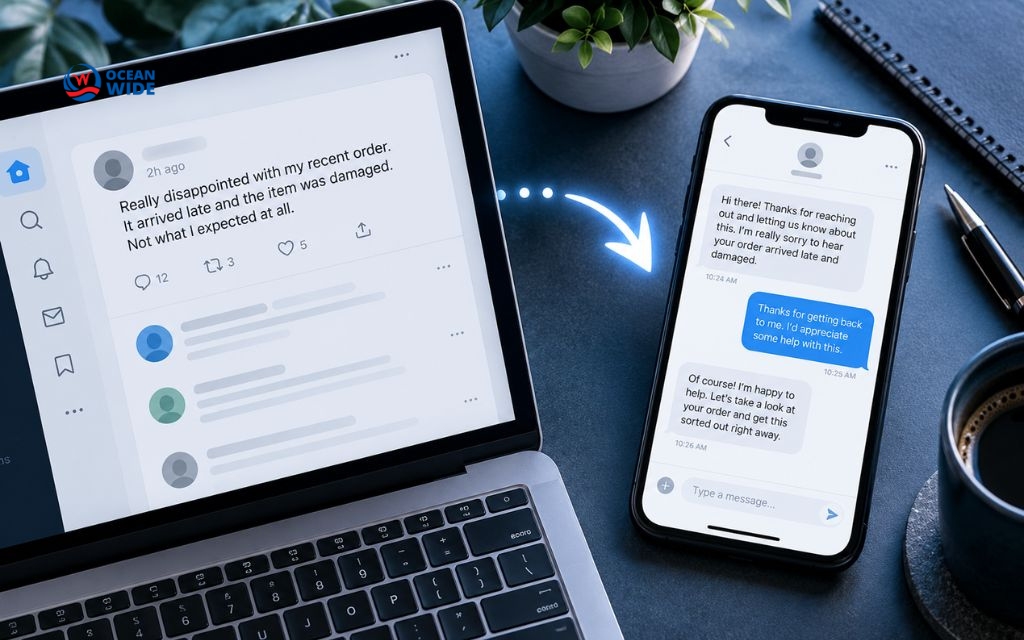
A public response is useful because it shows that your company is paying attention. The full resolution, however, does not always belong in the comment section.
Move the conversation to DM, email or phone when you need information such as an order number, delivery address, account details, payment information, or other personal data. This approach also works well when the issue requires several troubleshooting steps or a lengthy explanation.
Give The Customer A Clear Next Step
One of the weakest responses to a complaint is: “We’ll look into it.”
What happens next?
A good response removes that uncertainty. Tell the customer whether you need an order number, whether another team member will contact them, or when they can expect an update.
For example:
“Please DM us your order number and email address. Our support team will review the shipment and get back to you today.”
Keep A Record Of The Complaint
Social media posts can be edited or deleted at any time, which can make it hard to track what really happened. Save the original complaint, screenshots, dates, replies, and final resolution so your team has a clear record if the issue comes up again.
This is especially important when several people are involved. Good documentation helps prevent mixed messages, repeated questions, and the frustration of asking a customer to explain the same problem twice.
Escalate Serious Issues When Needed
Not every complaint should stay with the social media team. Legal threats, safety concerns, privacy issues, discrimination claims, or posts gaining rapid attention may need help from a manager, operations team or legal adviser.
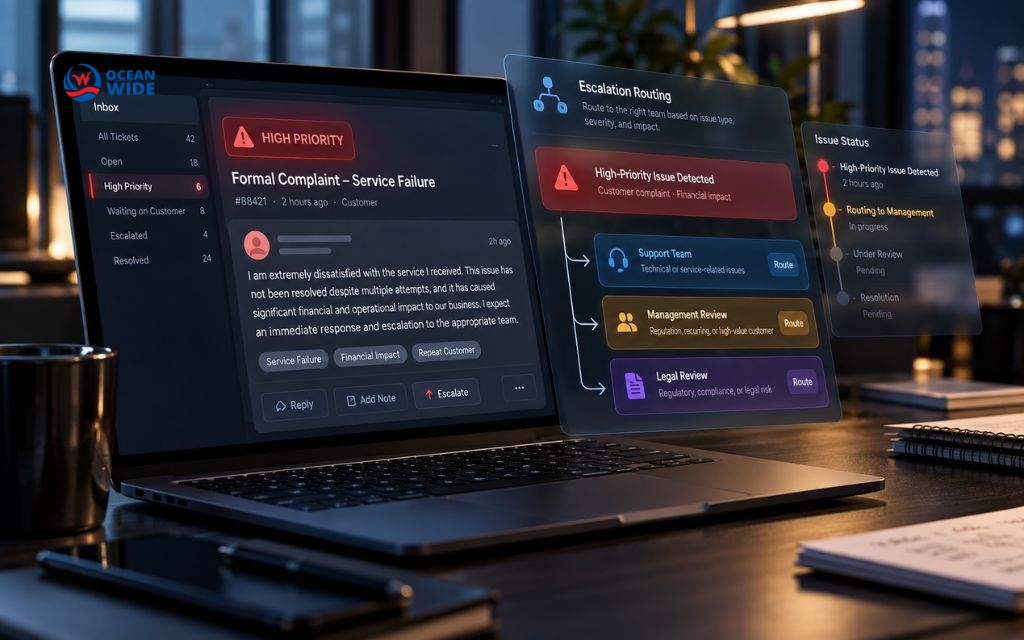
A clear escalation process saves time when the pressure is high. Instead of guessing who should respond, your team can move the issue to the right person before a small complaint turns into a much bigger problem.
How Can You Avoid Making Social Media Complaints Worse?
Sometimes the original problem is small. The response is what turns it into something bigger.
Do Not Ignore Or Delay Your Response
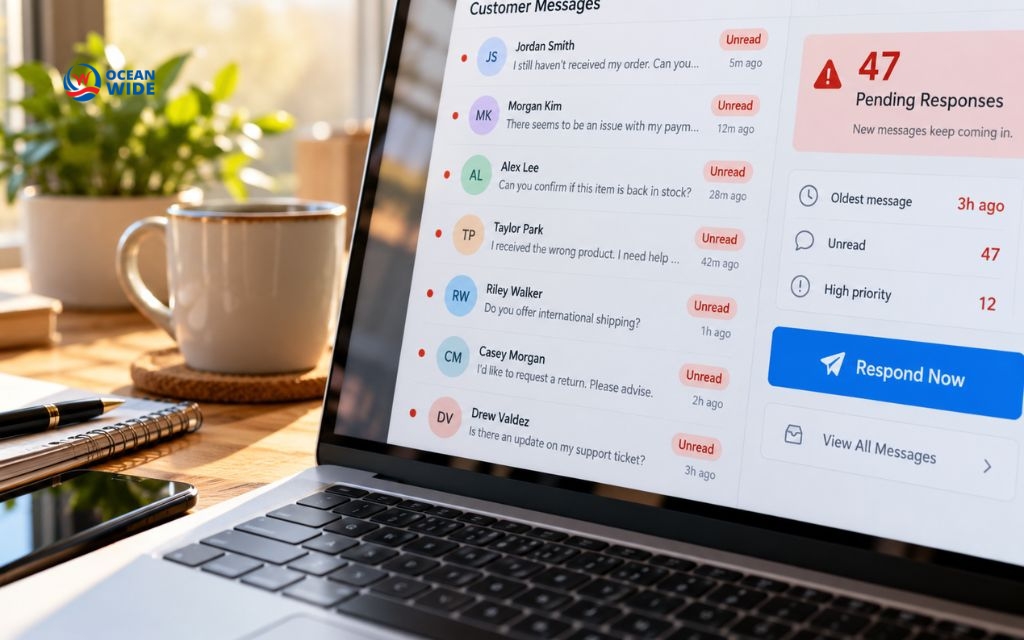
Silence can make customers feel that posting publicly is the only way to get attention. Even when you cannot resolve the issue immediately, acknowledge it.
If your business does not provide 24/7 support, make your service hours clear. Customers are more likely to accept a wait when they know when someone will respond.
Avoid Defensive Or Generic Replies
Frustrated customers want to feel heard, not brushed aside. Phrases like “That’s not our fault” or “Sorry for the inconvenience” often sound cold when they fail to address the actual issue.
Keep each reply specific to what happened. Mention the concern, acknowledge the frustration, and explain what your team can do next.
Do Not Argue With Customers In Public
Public arguments can quickly draw more attention to a complaint and make the situation harder to control. Even when a customer gets some details wrong, an aggressive correction rarely helps.
Correct important information calmly and keep the focus on resolution. Move longer or more sensitive discussions to a private channel when necessary.
Think Twice Before Deleting Negative Comments
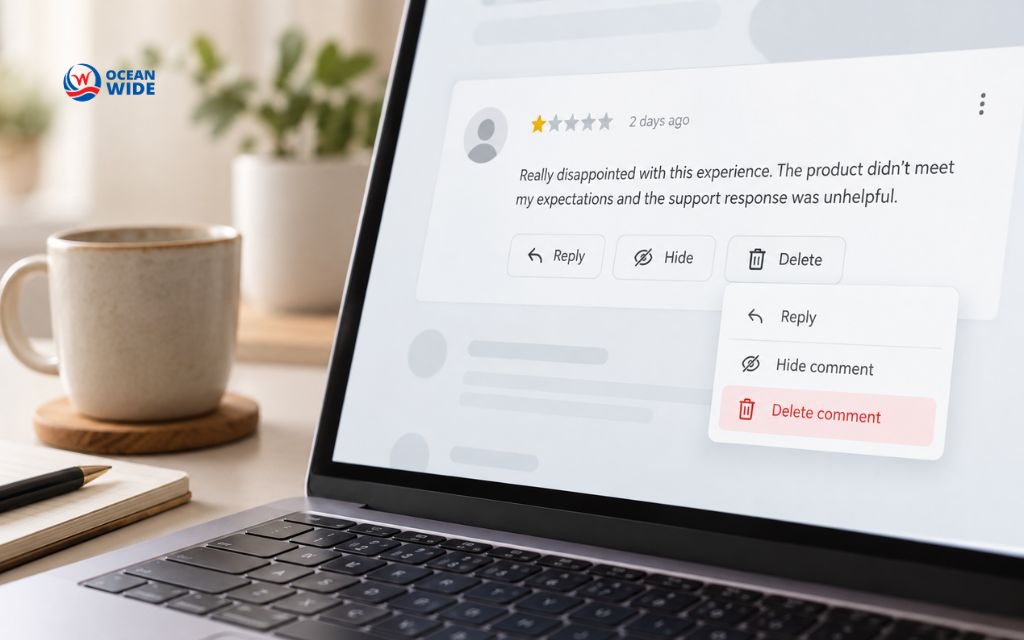
Removing genuine criticism can leave customers feeling ignored or censored. Other users may also notice the missing comment and question how your brand handles negative feedback.
Leave legitimate complaints visible whenever possible and respond professionally. Clear, helpful replies can show potential customers that your business takes concerns seriously.
Know When A Comment Should Be Hidden Or Removed
Some comments go beyond normal criticism and may require moderation. Spam, threats, harassment, hate speech, scams, explicit content, or exposed personal information are reasonable grounds for removal.
Set clear community guidelines and apply them consistently. Your team can then separate honest complaints from content that genuinely violates those standards.
The Ocean Wide’s Social Marketing Service For Better Brand Engagement
Strong social media results come from more than posting consistently. Brands also need the right strategy, content, audience targeting, and ongoing community management to keep engagement moving in the right direction. The Ocean Wide helps businesses connect those pieces through a focused Social Marketing Service built around visibility, interaction, and measurable growth.
- Social strategy: Build a clear plan around your audience, goals, and most relevant platforms.
- Content creation: Develop posts, visuals, and campaigns designed to attract attention and encourage interaction.
- Community management: Keep conversations active through timely replies, comment management, and customer engagement.
- Paid social campaigns: Reach more qualified users with targeted advertising and platform-specific campaigns.
- Performance tracking: Review engagement, traffic, and campaign results to identify what works and where to improve.

Ready to build a stronger social presence and create better customer experiences? Call The Ocean Wide at (720) 334-0899 to discuss a social media strategy tailored to your business.
Final Thoughts
Social media complaints are not just problems to solve; they are moments that reveal how a brand treats people when expectations are not met. Fast replies matter, but empathy, clarity, and consistency matter even more. Brands that listen carefully, respond with purpose, and learn from recurring complaints can turn difficult interactions into stronger trust, better customer experiences, and long-term loyalty.
FAQs About Social Media Complaints
How Quickly Should You Respond To A Social Media Complaint?
Aim to respond within 24 hours, and sooner when possible.
Should You Respond To Every Negative Comment?
Respond to genuine complaints and constructive criticism. Spam, harassment or abusive content may need moderation instead.
When Should A Complaint Be Taken Offline?
Move the conversation to DM, email, or phone when it involves personal information, account details, or a complex issue that requires a longer discussion.
Can Social Media Complaints Damage Your Brand Reputation?
Yes, especially when complaints are ignored or handled poorly. A calm, helpful response can reduce the impact and show others that your business takes customer concerns seriously.