Skip to content

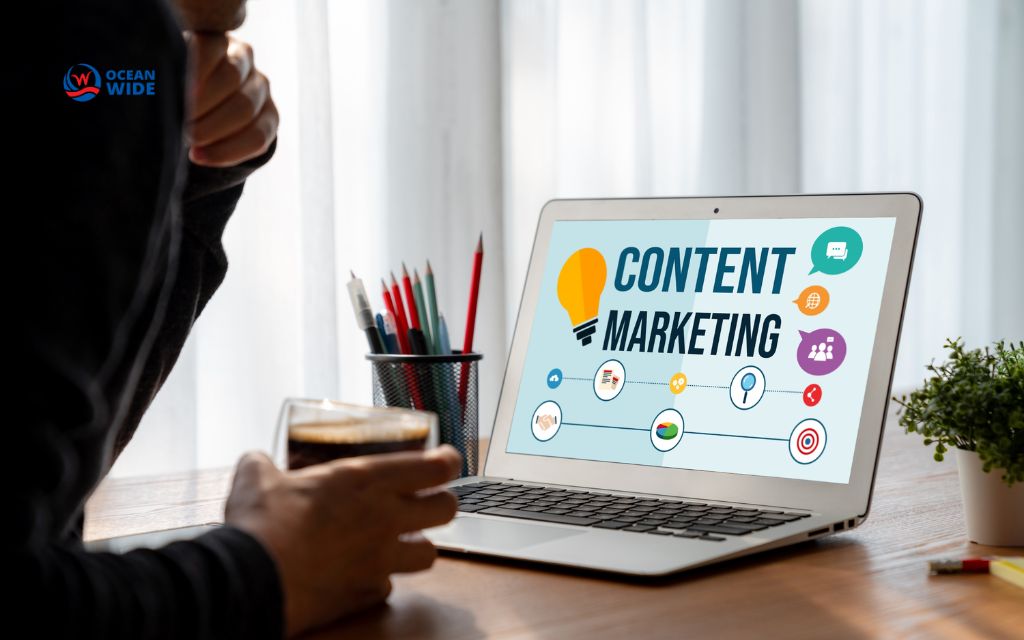
Content marketing distribution is the process of sharing, publishing, and promoting content across the channels where an audience already spends time. Creating strong content solves only half the problem. Without a clear distribution strategy, even the best article, video, or guide can sit unseen. This guide breaks down the channels, tools, and workflows that turn a single piece of content into consistent visibility, engagement, and leads.
What content marketing distribution means?
Content marketing distribution includes every action a business takes to move published content in front of an intended audience. It covers publishing schedules, channel selection, repurposing, and promotion, not just the act of hitting publish. In digital content distribution, this work spans websites, email, social media, and increasingly, paid advertising placements. Marketers often assume that quality content markets itself. In practice, a great article buried on page five of a website sees little traffic no matter how well it was written.
The relationship between content creation and content distribution works best when treated as two connected stages of the same process. Creation shapes the message. Distribution decides who receives it and when. Skipping the second stage means the first stage rarely pays off.
Businesses that treat distribution as a core discipline, not an afterthought, see content perform more consistently over time. They plan where each piece will run before it is written, not after.
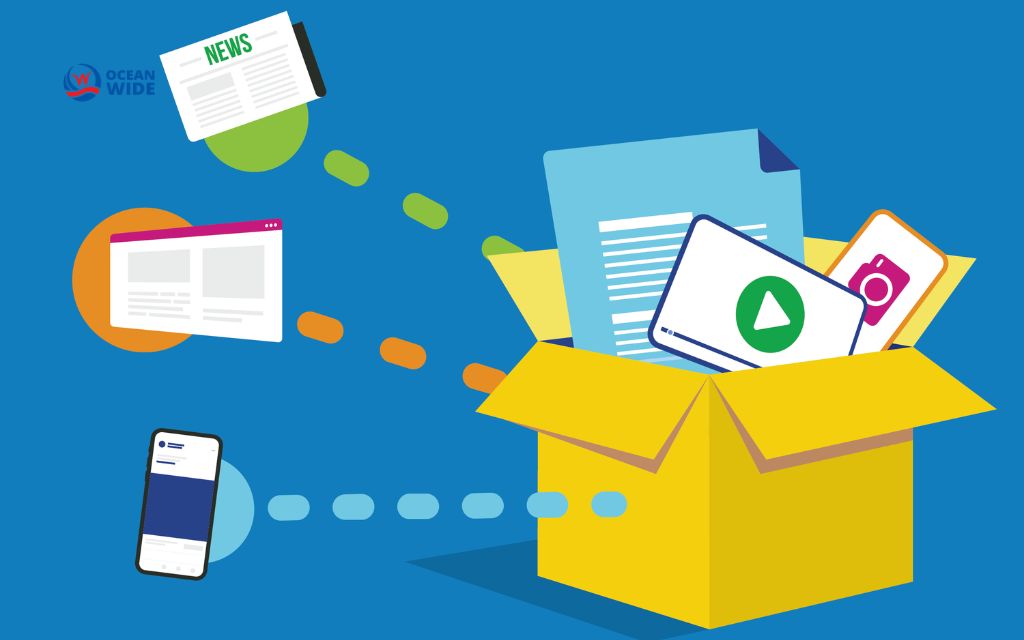
Owned, earned, and paid distribution channels
Owned channels
Owned channels are platforms a business controls directly. Company websites, blogs, email lists, and branded social media accounts fall into this group. Because no media fee applies, owned channels form the foundation of most distribution plans. They also allow full control over timing, format, and messaging. Websites, email, and branded social profiles remain the most dependable content distribution channels for building a long-term audience.
Websites work well for long-form articles, case studies, and gated resources. Email supports newsletters, product updates, and personalized offers. Social media accounts extend reach to followers who already trust the brand.
Earned channels
Earned channels belong to third parties who choose to share, mention, or feature a brand’s content, usually without a direct payment. Guest posts, press coverage, backlinks, and organic social shares all count as earned distribution. These channels introduce content to audiences a brand could not reach on its own, and they carry the credibility of an outside voice.
Earned distribution takes longer to build than owned or paid channels. It depends on relationships with journalists, industry publications, and other content creators willing to reference original work.
Paid content distribution
Paid content distribution covers any channel that requires a media spend, including search ads, social ads, sponsored content, and paid influencer placements. This category delivers the fastest reach and the most precise targeting, since platforms let marketers define audience demographics, interests, and behaviors before a single dollar is spent.
Paid channels work best for content tied to a specific campaign window, a product launch, or a lead generation goal that needs immediate results. Because costs scale with impressions or clicks, ongoing budget management matters as much as the initial ad setup.
Side by side, the three channel types compare like this:
- Owned channels: controlled directly by the business, cost mostly time and tools, and work best for long-form content and nurturing an existing audience.
- Earned channels: controlled by a third party, come with no direct media fee, and work best for building credibility and reaching new audiences.
- Paid channels: controlled by the business through a platform, require ongoing ad spend, and work best for fast reach, precise targeting, and campaign launches.

How to build a content distribution strategy
Identify and segment your audience
Every distribution decision starts with a clear picture of who the content is for. Audience segmentation groups people by shared traits such as job role, industry, buying stage, or content preferences. Marketers can pull this information from website analytics, CRM data, customer surveys, and direct conversations with sales or support teams.
Segmentation clarifies which channels deserve attention. B2B software audiences researching a purchase decision behave differently than consumer audiences scrolling social media for inspiration. Matching channel choice to actual audience behavior, instead of assumptions, prevents wasted effort on platforms that will not convert.
Set clear goals and KPIs
Distribution efforts need a defined outcome before a single piece of content goes live. Common goals include brand awareness, website traffic, lead generation, or customer retention. Each goal points to different key performance indicators.
Brand awareness campaigns often track reach, impressions, and social shares. Traffic-focused efforts track organic sessions, referral clicks, and time on page. Lead generation campaigns track form completions, downloads, and cost per lead. Setting the goal first keeps the entire distribution plan focused, since channel selection, budget, and content format should all support that single outcome.
Match content format to the right channel
Different formats perform differently depending on where they run. Long-form articles and guides suit a company website and search engines, since readers already expect depth there. Video content distribution favors platforms built around watching, including YouTube for longer videos and short-form apps for quick, attention-grabbing clips. Social media distribution platforms such as LinkedIn favor professional insights and case studies, while more visual platforms favor images and short captions.
Matching format to channel prevents the common mistake of posting the same content, unedited, everywhere. Whitepapers work as downloadable PDFs on a website, summarized carousels on social media, and short video walkthroughs elsewhere, but rarely work as a single unedited file across all three.

Repurposing content to reach more channels
Repurposing turns one piece of original content into multiple assets suited to different channels and formats. One blog post can become a series of social media posts, an email newsletter section, a short video script, or a slide deck for a webinar.
This approach makes distribution more efficient because the heaviest work, research and messaging, only happens once. Marketers can review analytics on older content to see what resonated with audiences before, then repurpose the strongest performers instead of starting from scratch. Every repurposed asset should still be reviewed by a person before it goes out, since automated formatting can lose nuance or tone along the way.
Building a distribution workflow that fits your campaigns
Scheduling with an editorial calendar
Consistent distribution depends on planning ahead. Editorial calendars track what content publishes, on which channel, and on what date, along with who owns each task. This structure prevents gaps in publishing and keeps promotional efforts aligned with product launches, seasonal campaigns, or industry events.
Many teams use content distribution software to manage this process, scheduling posts across multiple channels from a single dashboard instead of logging into each platform separately. Some businesses handle distribution in-house, while others rely on a content distribution service or third-party content distributor to manage scheduling and channel coverage across multiple accounts. Either approach reduces manual errors and frees time for strategy instead of repetitive posting.
Integrating organic, paid, and email promotion
The strongest campaigns treat content promotion and distribution as a coordinated push rather than separate efforts. New guides might publish organically on the website, get featured in an email newsletter the same week, and receive a modest paid boost on social media to extend reach beyond existing followers.
This integration matters because each channel reinforces the others. Paid content distribution can introduce a new audience to a brand, while owned channels like email nurture that audience toward a decision. Earned mentions add credibility along the way. Treating these channels as a single campaign, rather than isolated tactics, produces more consistent results than running each channel independently.

Measuring performance and avoiding common mistakes
Distribution performance should be reviewed on a regular schedule, whether that means weekly, monthly, or per campaign. Each channel reveals a different piece of the picture:
- Website analytics: Show which channels drive traffic and how visitors behave once they arrive.
- Social platforms: Report engagement, including shares, comments, and click-through rates, directly within the platform.
- Email platforms: Track open rates and click-through rates.
Reviewing these numbers together, rather than in isolation, shows which channels actually contribute to business goals instead of vanity metrics alone.
Several mistakes repeat across content distribution efforts:
- Spreading effort too thin: Pushing content across every available channel without confirming the audience is actually there.
- Treating distribution as a one-time task: Sharing a piece once at launch and never returning to it, even though older content can still perform well with a second promotional push.
- Skipping the review step: Repeating the same distribution plan for every piece of content regardless of what past performance data shows.
Conclusion
Content marketing distribution works best as a repeatable system, not a one-time checklist. Businesses that document their channel mix, assign clear ownership, and review performance regularly get more value from every piece of content they publish, without creating more of it just to keep up.
The Ocean Wide helps businesses build content marketing distribution strategies that connect creation, scheduling, and promotion into one coordinated plan, so content reaches the right audience instead of getting lost after publishing. Businesses looking for a social marketing service to handle that work can reach out to the Denver, Colorado based team at 720-295-9270 to talk through what a stronger distribution plan could look like.
Frequently asked questions (FAQs)
What is the difference between content marketing and content distribution?
Content marketing covers the full process of planning, creating, and promoting content to support business goals. Content distribution is one part of that process, focused specifically on getting finished content in front of the right audience through owned, earned, and paid channels.
What does content distribution include?
Content distribution includes channel selection, scheduling, repurposing existing content for new formats, paid promotion, and performance tracking. It covers everything that happens after content is created and before it reaches its intended audience.
How do I choose the right content distribution platforms for my business?
Start with where the target audience already spends time, confirmed through analytics or direct research, rather than choosing a platform based on popularity alone. Platforms only earn a spot in the strategy if they fit both the audience and the content format being distributed.
Is paid content distribution necessary, or can organic channels work alone?
Organic and earned channels can build sustainable, long-term reach, but they take time to develop momentum. Paid distribution helps when a campaign has a deadline, a product launch, or a lead generation target that organic reach cannot meet fast enough. Most effective strategies use a mix rather than relying on one type alone.
How often should content be repurposed or redistributed?
There is no fixed schedule that fits every business, since it depends on content type and channel performance. One practical approach is to review top-performing content quarterly and repurpose pieces that still hold relevant, accurate information into new formats or a fresh promotional push.