Skip to content

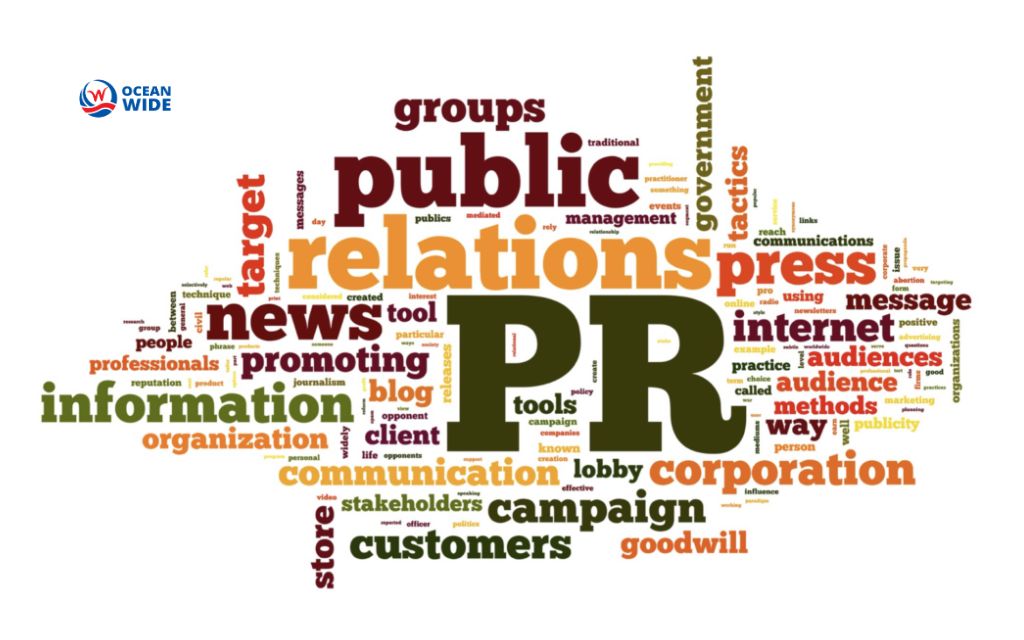
People use the phrase PR meaning in social media loosely. Some think it means posting updates. Others confuse it with advertising. Neither view captures the real work: public relations in social media manages how a brand gets seen, discussed, and trusted online. This guide breaks down what the term covers, how it differs from related work, and how businesses put it into practice.
What does PR mean in social media?
Social media PR uses public platforms to manage a brand’s reputation and build relationships with the people who matter to that brand. It carries the core goals of traditional public relations, trust, credibility, and a clear public image, and applies them directly on channels where audiences already spend their time.
A common misconception treats it as a content calendar. Posting on schedule matters, but posting alone does not equal PR. The real work is monitoring what people say about a brand, responding to that feedback, and stepping in before a small issue turns into a public story.
This work runs on earned attention, not paid placement. A customer’s story or a journalist’s coverage carries more weight than an ad, since it comes from a source people already trust. Consistency matters too; a brand that sounds different on every channel undermines the trust it is trying to build.
Social media PR vs. traditional PR vs. social media marketing
Business owners often use these three terms interchangeably. Each one serves a different function.
| Aspect | Traditional PR | Social media PR | Social media marketing |
| Primary goal | Earn third-party media coverage | Build and protect reputation directly with the audience | Drive measurable actions like clicks and sales |
| Communication direction | One-way, through journalists | Two-way, direct conversation | Mostly one-way, with a promotional offer |
| Audience relationship | Indirect, filtered by media | Direct and ongoing | Direct but transactional |
| Main channels | Press releases, media pitches | Social platforms, comments, direct messages | Paid ads, sponsored posts |
| How success gets measured | Media placements, tone of coverage | Sentiment, response time, share of voice | Traffic, leads, conversions |
Traditional PR
Traditional public relations relies on press releases, media pitches, and relationships with journalists and editors. It builds credibility through third-party coverage, but that coverage takes time to secure and is hard to control once published.
Social media PR
Social media PR keeps the same goal, protecting and building reputation, but moves the conversation onto public platforms. Brands can respond to a customer complaint within minutes instead of waiting for a reporter to return a call. This speed cuts both ways: positive moments spread fast, and so do problems.
Social media marketing
Social media marketing focuses on driving measurable action. Its goals include website traffic, leads, and sales. Marketing content often carries a direct offer or promotion. PR content builds the trust that makes marketing more effective, but it rarely asks for a sale outright. PR builds the reputation, marketing converts that trust into business outcomes, and traditional media relationships still open doors that social channels cannot reach on their own. None of the three replaces the others.
Core activities of social media PR
Social media PR covers a defined set of activities, not a single task:
- Media outreach: Connects the brand with journalists and industry publications through social channels, supporting earned coverage
- Influencer collaboration: Extends credibility by partnering with voices an audience already trusts
- Crisis communication: Prepares and executes a response plan when a brand faces public criticism or a service failure
- Community engagement: Builds ongoing relationships with customers through replies, comments, and direct conversation
- Reputation monitoring: Tracks brand mentions and sentiment across platforms to catch problems early and measure progress

Why social media PR matters for your brand
The effects of a strong social media PR practice are easy to underestimate:
- Protects reputation early: Regular monitoring surfaces warning signs, whether that is a spike in negative comments or a shift in how customers talk about a product.
- Builds customer trust: A business that responds to questions and concerns in public view demonstrates accountability that no advertisement can replicate.
- Strengthens every other marketing effort: Content that builds trust makes paid campaigns perform better, because the audience already holds a positive impression of the brand.
- Costs less than traditional PR: Consistent monitoring and engagement build reputation steadily, without the retainer fees traditional PR agencies often require.
- Creates measurable proof of progress: Tracking sentiment ratio, response time, share of voice, and engagement rate shows whether reputation is trending in the right direction.
Real-world examples of social media PR
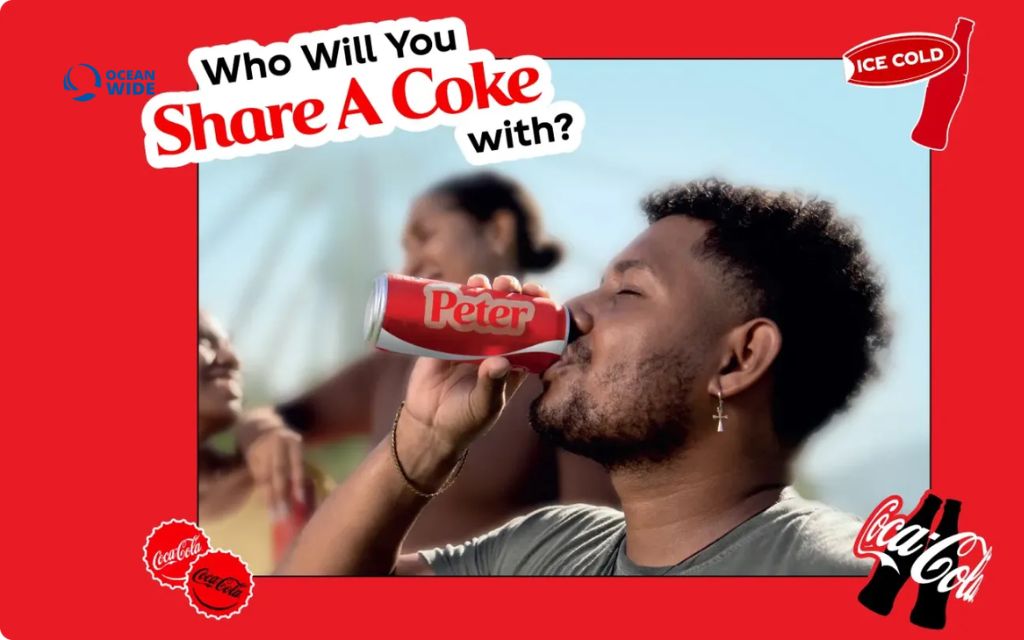
Coca-Cola’s Share a Coke campaign
The company printed popular first names on bottles and asked customers to find and share their own. Customers did the promotional work themselves, posting photos and tagging friends, which generated coverage and conversation the brand could never have purchased at that scale.
Wendy’s social voice
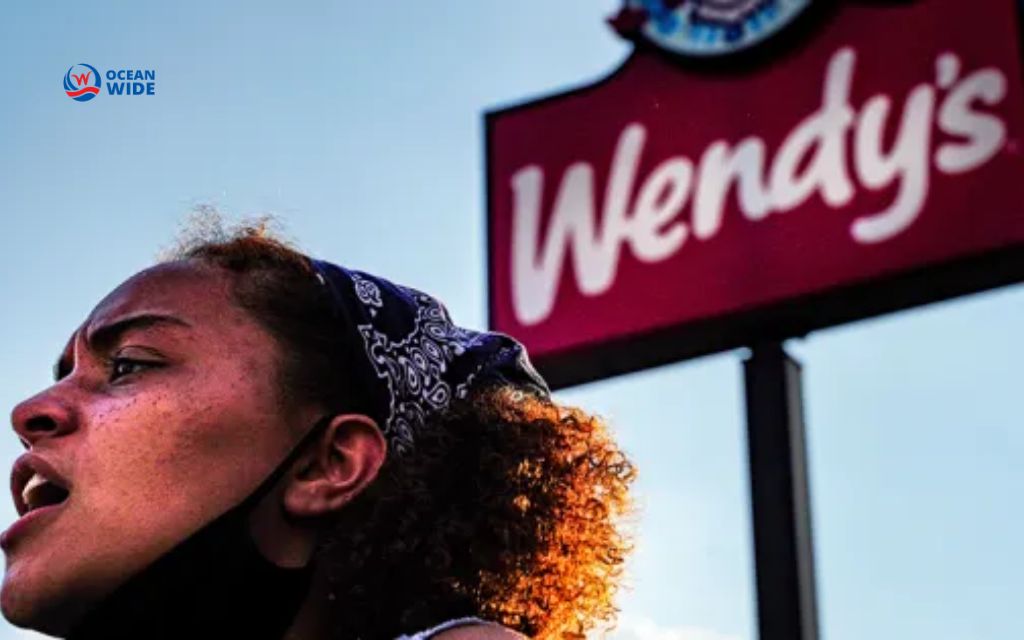
Wendy’s built its social media reputation through a consistent, recognizable voice rather than a single campaign. The brand replies to customers and competitors with a sharp, conversational tone that reads like a person, not a corporate account. That consistency, built post by post over years, created a public image that customers actively seek out and share.
Spotify Wrapped
Spotify’s Wrapped campaign turns each user’s own listening data into shareable, personal content. The company gives customers a reason to talk about the brand voluntarily, once each year, and audiences respond because the content reflects something real about them.
Companies that acknowledge a problem quickly and explain what they are doing about it tend to recover public trust faster than those that stay silent or issue a delayed, formal statement. Each example above shares a common thread: the brand created something people wanted to share on their own, or responded in a way people respected, rather than asking for attention directly.

A practical approach for small businesses and startups
Small teams do not need an agency retainer to start practicing social media PR well.
- Set a listening habit: Check brand mentions and comments on a fixed schedule, even a few minutes daily
- Write a response guide: Decide in advance how the team will answer common questions, complaints, and compliments
- Build one relationship at a time: Follow and engage with a handful of relevant journalists, partners, or industry voices before asking for anything
- Prepare a short crisis plan: Write down who responds first, what tone to use, and who approves a public statement, before a crisis happens
- Track a small set of metrics: Watch sentiment and response time rather than follower count alone
Conclusion
Understanding PR meaning in social media gives a business the foundation to build genuine trust online, not just visibility. A brand that listens, responds, and shows up consistently earns the kind of reputation that no single campaign can buy.
The Ocean Wide helps small businesses and startups build social media strategies that combine PR principles with practical marketing execution. Reach out to our team at 720-295-9270, to talk through what a stronger online reputation could look like for your business.
Frequently asked questions (FAQs)
What does PR mean in social media?
It means using social platforms to manage a brand’s reputation and relationships, through activities like monitoring, community engagement, and crisis response, not through posting alone.
Is social media PR the same as social media marketing?
No. PR focuses on reputation and trust. Marketing focuses on driving measurable actions like clicks and sales. The two work well together but serve different goals.
Do small businesses need a formal PR strategy?
Yes, in a scaled way. Small businesses benefit from consistent monitoring, a clear response plan, and a few genuine relationships, even without a dedicated PR team.
How is social media PR success measured?
Common measures include sentiment, response time, share of voice, and engagement rate. These figures track reputation trends rather than reach alone.
How fast should a brand respond to a crisis on social media?
Speed matters, but accuracy matters more. Brands should acknowledge a problem quickly, even with a short statement, and follow up with fuller information once the facts are confirmed. Responding fast with incomplete or wrong information often causes more damage than a short delay.