Skip to content

Every marketer, business owner, and content creator eventually asks the same question: what does good social media marketing actually look like in practice? Reading strategy guides is one thing. Seeing a campaign that moved the needle, and understanding why it worked, is something else entirely.
The social media marketing examples in this article span multiple industries, platforms, and budget levels. Each one is chosen not because it went viral, but because it demonstrates a transferable principle. A nonprofit’s peer-to-peer challenge, a beverage brand’s organic TikTok moment, a B2B software company’s LinkedIn playbook, and a fast-food chain’s mascot persona all carry lessons that apply whether your brand has ten followers or ten million. Read through the full set. The pattern behind every successful campaign becomes clear once you know what to look for.
What separates good social media marketing from great
Before getting into individual examples, it helps to understand what determines whether a campaign performs or fades into the background. The strongest social media marketing campaigns share six traits:
- A specific, measurable goal set before launch: Campaigns built around vague outcomes like “more engagement” cannot be optimized mid-run or evaluated honestly afterward.
- Platform selection based on audience behavior, not brand comfort: The right platform is where the target audience is already active, not where the brand happens to have an existing presence.
- Content format matched to how that audience actually consumes content: A 15-second TikTok, a LinkedIn article, and an Instagram carousel each serve a different audience in a different context. Format follows behavior.
- Consistency long enough to build recognition: A single strong post does not build a brand. Sustained, recognizable output over time does.
- Participation built into the campaign mechanic: Campaigns that invite action consistently outperform those that ask an audience to simply watch.
- Success defined before launch: A campaign measured against pre-set KPIs produces learning. A campaign measured against a competitor’s results after the fact produces excuses.
20 social media marketing examples and the principles behind them
1. Dove: Real Beauty Sketches
Dove hired an FBI-trained forensic artist to draw two sketches of the same woman, one based on her own description of herself and one based on a stranger’s description. The gap between the two was striking. The 2013 YouTube film ran without a product mention until the final seconds.
Goal: Shift brand perception from a soap company to a brand that champions authentic self-image.
Result: The video became the most watched online ad of 2013, generating over 163 million views and extensive earned media coverage.
Principle: Lead with emotion, not product. When the content serves the audience before it serves the brand, the audience shares it on the brand’s behalf.

2. Always: #LikeAGirl
Always produced a short documentary-style film asking people of different ages to act out phrases like “run like a girl” and “throw like a girl.” The results revealed how deeply the phrase had taken hold as a put-down. The campaign launched during the 2015 Super Bowl and extended across social platforms through the hashtag #LikeAGirl.
Goal: Reframe a cultural insult into a symbol of strength and connect the Always brand to the confidence of young women.
Result: The hashtag generated over 1.5 billion impressions globally. Brand perception scores among its target demographic rose measurably in the months following the campaign.
Principle: A brand does not need to talk about itself to build brand affinity. Taking a clear position on something the target audience cares about deeply creates more loyalty than any product claim.
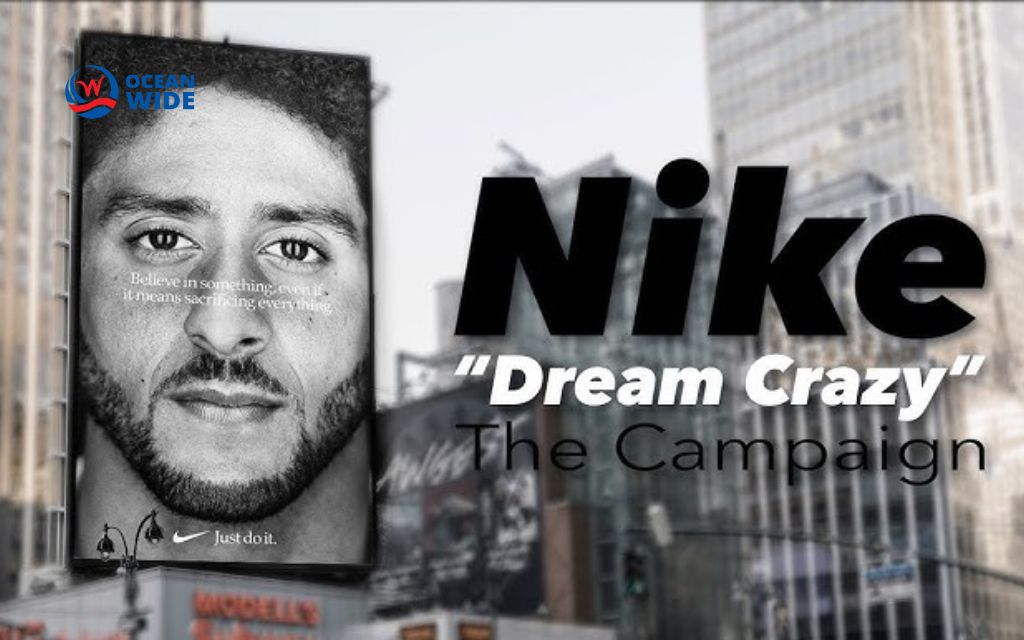
3. Nike: #DreamCrazier
Nike released a 90-second film narrated by Serena Williams highlighting female athletes who had been dismissed or criticized for showing emotion, ambition, or determination. The film ended with the word “Crazy” redefined as a compliment. The campaign ran on YouTube and social platforms simultaneously.
Goal: Extend the “Just Do It” platform specifically to female athletes and respond to cultural moments around women in sports.
Result: The film earned over 100 million views on YouTube and generated significant media coverage beyond paid placement. It deepened Nike’s relevance with female consumers.
Principle: Taking a stance on a contested cultural narrative creates conversation. The risk of controversy is real, but brands that stay silent on issues their audience cares about often become irrelevant faster than those that speak.
4. Patagonia: Don’t Buy This Jacket
On Black Friday 2011, Patagonia ran a full-page ad in The New York Times that showed one of its best-selling jackets alongside the headline “Don’t Buy This Jacket.” The ad described the environmental cost of producing the jacket and encouraged consumers to think before purchasing. The campaign extended online through social sharing and brand advocacy content.
Goal: Reinforce Patagonia’s environmental values and build long-term brand trust, even at the apparent cost of short-term sales.
Result: Patagonia’s revenue grew significantly in the years following the campaign. The campaign earned enormous earned media attention and became a benchmark for purpose-driven marketing.
Principle: Radical transparency about a brand’s values builds deeper trust than promotional messaging. Consumers reward brands that act on their stated beliefs rather than simply announcing them.
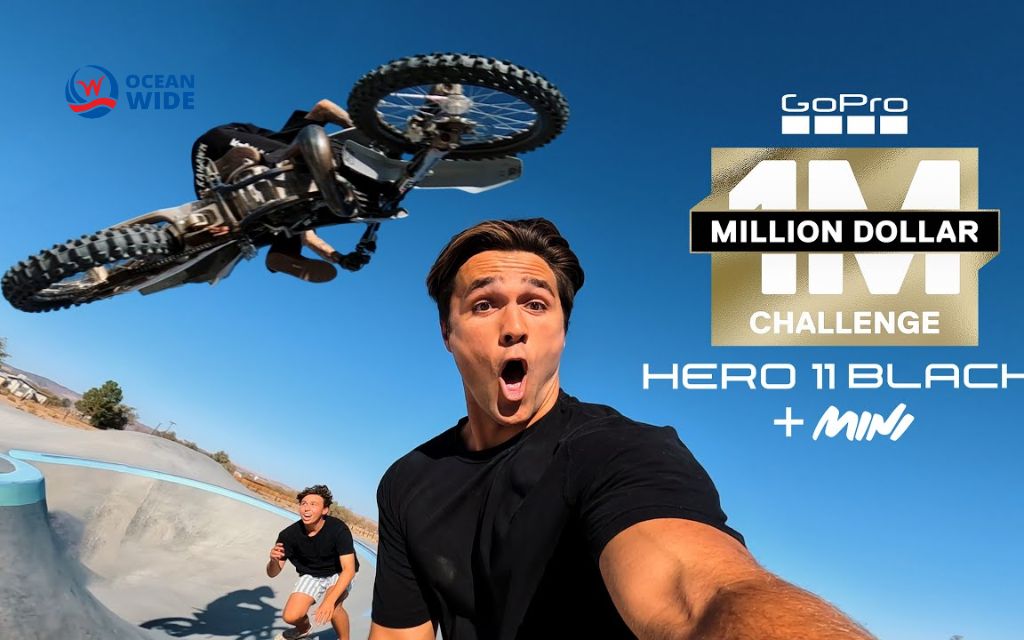
5. GoPro: Million Dollar Challenge
GoPro invited its global community to submit their best footage shot on any GoPro camera for a chance to win a share of one million dollars and have their clip appear in the brand’s official highlight reel. Submissions came from everyday users and professional athletes alike.
Goal: Generate brand content at scale and reinforce GoPro’s identity as the camera of adventurers.
Result: The most recent edition of the challenge received over 43,000 submissions from 21 countries. The resulting highlight reel generated millions of views and positioned GoPro customers as the brand’s most powerful content creators.
Principle: When a brand’s product is part of what customers do for fun, asking them to share that content is not a marketing ask, it is an invitation. The brand gets authentic content; the audience gets recognition and community.
6. Coca-Cola: Share a Coke
Coca-Cola replaced its iconic logo on bottles with 150 of the most popular names in each market. Consumers hunted for their own names, bought bottles for friends, and shared photos across social platforms using the hashtag #ShareACoke. The campaign launched in Australia in 2011 before rolling out to more than 70 countries.
Goal: Reverse a decline in sales among young consumers by making Coke feel personal.
Result: Coca-Cola reversed a decade-long decline in sales in Australia and recorded a 2.5 percent sales increase in the U.S. within the first year of the campaign’s American rollout.
Principle: Personalization triggers participation. When a product feels like it belongs to an individual, that individual is motivated to broadcast it without a paid incentive.
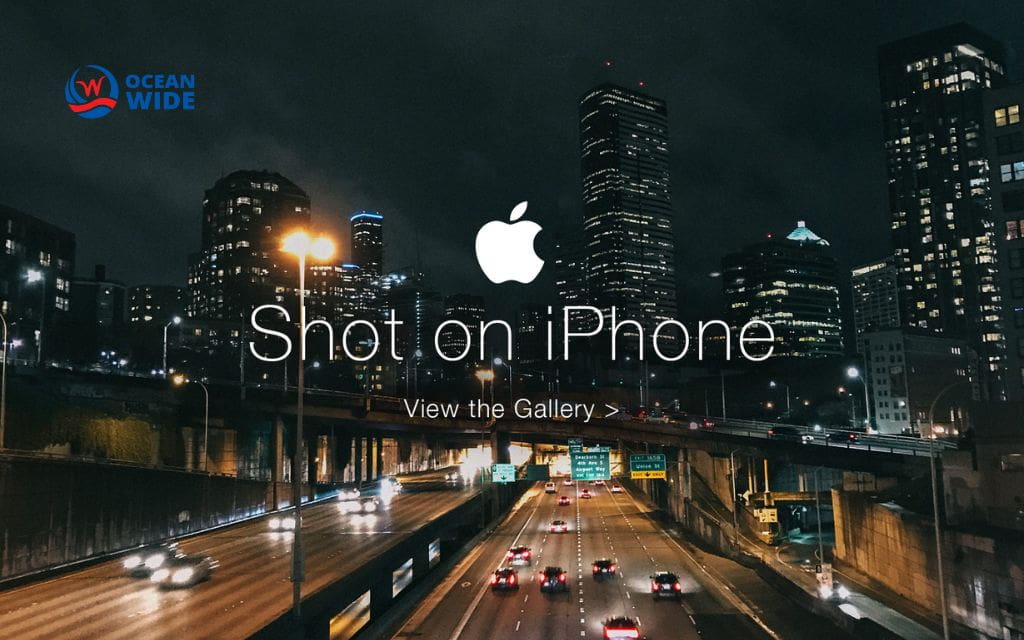
7. Apple: #ShotOniPhone
Apple invited iPhone users worldwide to submit their best photos for the chance to be featured in global advertising, including billboards, print campaigns, and social media. The brand curated and featured winning images with the photographer’s name credited.
Goal: Address criticism that the iPhone camera had fallen behind competitors and demonstrate product quality through authentic user evidence.
Result: The campaign became one of Apple’s longest-running and generated hundreds of millions of impressions per cycle. It consistently outperformed traditional product advertising in brand recall studies.
Principle: The most credible product demonstration is not a brand claim, it is a customer result. Asking customers to prove your product’s value for you builds trust that no copywriter can replicate.
8. Starbucks: Red Cup Contest
Each year, Starbucks debuts its seasonal red cups and invites customers to share photos of their holiday drinks using a branded hashtag. The contest has evolved over the years, but the core mechanic remains: buy a drink, share a photo, and enter to win.
Goal: Generate social buzz and UGC around the annual holiday cup reveal, turning a packaging moment into a recurring cultural event.
Result: The Red Cup moment generates tens of thousands of social posts annually without significant paid amplification. The reveal itself has become a news event covered by mainstream media.
Principle: Seasonal rituals compound over time. A campaign that runs annually trains an audience to participate every year. The second and third iterations of a recurring campaign cost less and earn more than the first.
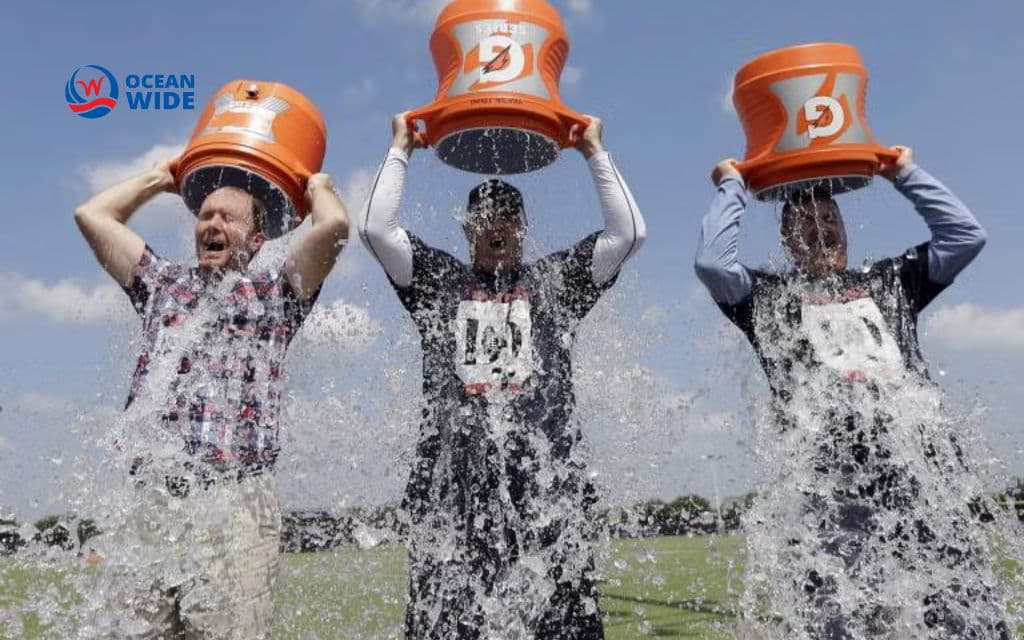
9. ALS Association: Ice Bucket Challenge
Participants filmed themselves dumping a bucket of ice water over their heads, donated to the ALS Association, and nominated three other people to do the same or donate. The mechanic was simple, shareable, and tied to a clear call to action.
Goal: Raise awareness and funds for ALS (amyotrophic lateral sclerosis) research.
Result: The campaign raised over $115 million for ALS research in the summer of 2014 and directly funded the discovery of a gene contributing to the disease. More than 17 million people participated worldwide.
Principle: Peer-to-peer nomination mechanics are among the most powerful reach drivers in social media. When participation is tied to a personal challenge and a social dare, organic spread accelerates exponentially.
10. Chipotle: #GuacDance
Chipotle launched a TikTok challenge on National Avocado Day, inviting users to show off their best guacamole dance moves using a custom track. The challenge was native to TikTok’s culture and tied directly to a product the brand’s audience already loved.
Goal: Drive foot traffic and app downloads on National Avocado Day while deepening Chipotle’s presence on TikTok.
Result: The #GuacDance challenge generated over 250,000 video submissions and 430 million video starts in six days. It became one of TikTok’s highest-performing branded challenges at that time and drove record single-day guacamole sales.
Principle: Platform-native content outperforms repurposed content. TikTok challenges work when they match TikTok’s creative culture. A campaign built for one platform rarely translates well to another without meaningful adaptation.
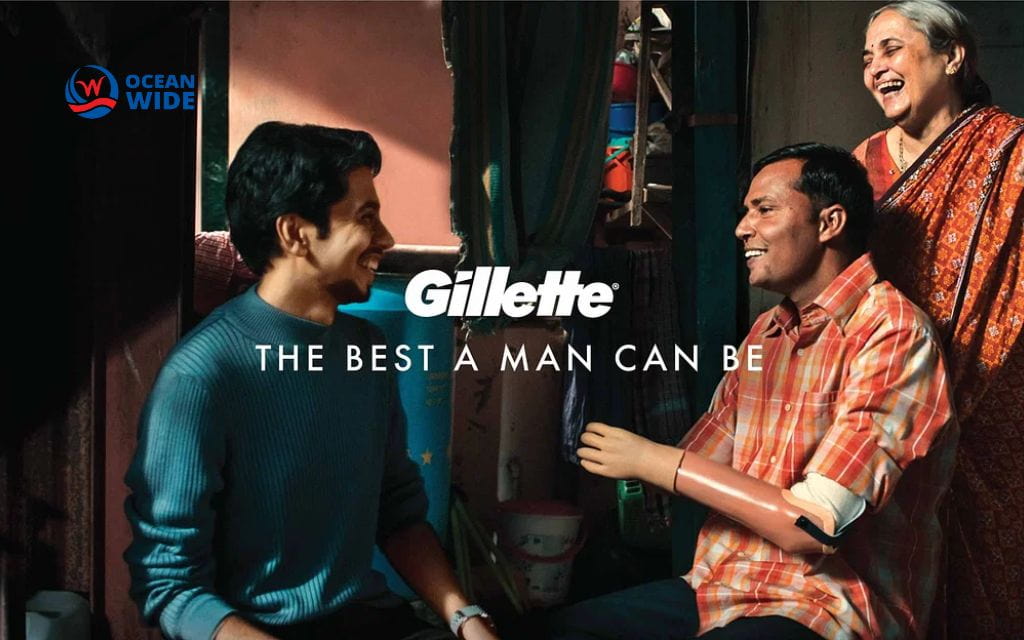
11. Gillette: The Best Men Can Be
Gillette released a 90-second film in January 2019 that challenged toxic masculine behaviors while celebrating men who choose to act with integrity. The film referenced the #MeToo movement and sparked significant debate across social platforms.
Goal: Reposition the “Best a Man Can Get” tagline for a new cultural moment and start a conversation about masculinity.
Result: The film earned over 30 million YouTube views in its first month and generated more than 1.5 million social media mentions in 48 hours, split between support and criticism. Brand awareness among younger male consumers increased.
Principle: Controversy is a strategy, not an accident, when a brand uses it deliberately and stands behind its position. Campaigns designed to provoke conversation will attract both advocates and critics. The question is whether the target audience’s response moves the brand forward.
12. NYX Cosmetics: #TrueIDCard
NYX launched the #TrueIDCard campaign inviting consumers to share their authentic selves under the hashtag, celebrating identity and self-expression rather than linking the campaign to a product promotion or prize structure.
Goal: Build brand loyalty among LGBTQ+ consumers and make NYX a visible ally in the beauty space.
Result: The campaign generated strong organic engagement from NYX’s core community and built genuine brand equity among a demographic that responds to authenticity over promotion.
Principle: Hashtag campaigns that connect to a real audience identity issue outperform campaigns built purely around prizes or discounts. When the hashtag means something to the people using it, they use it without a financial incentive.
13. Dunkin’: Charli D’Amelio partnership
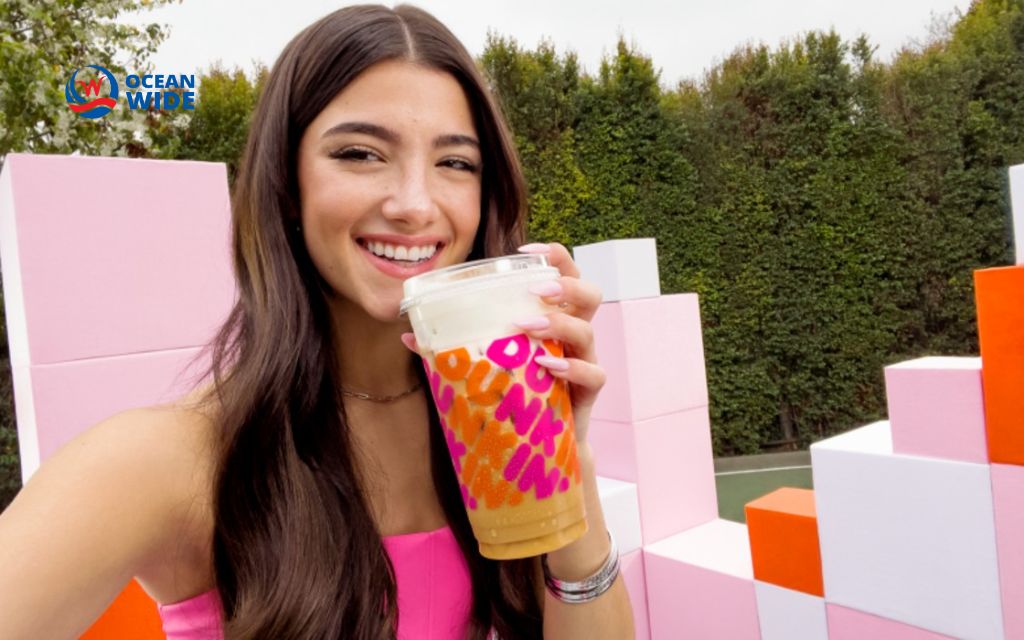
Dunkin’ partnered with Charli D’Amelio, TikTok’s most-followed creator at the time, to create a signature drink named “The Charli.” D’Amelio posted content organically about her genuine love of the drink before the official partnership launched, which gave the campaign a foundation of authenticity.
Goal: Reach Gen Z consumers on TikTok and increase app downloads and menu orders.
Result: Dunkin’ saw a 57 percent increase in app downloads the day “The Charli” launched. Cold brew sales increased by 20 percent on the launch day and by 45 percent the following day when D’Amelio posted a TikTok drinking the beverage in Dunkin’ merchandise.
Principle: The most effective influencer partnerships begin with a genuine product connection. Audiences detect the difference between a creator who uses a product and one who was paid to pretend they do. Authenticity before the deal is the strongest campaign asset an influencer can bring.
14. Gymshark: 66 Days of Change
Gymshark invited athletes and community members to commit to a 66-day transformation challenge, documented through social posts, and partner with fitness micro-influencers who showed real progress rather than polished before-and-after imagery.
Goal: Build the Gymshark community on Instagram by demonstrating real fitness transformations tied to the brand’s identity.
Result: Gymshark grew from a small UK activewear brand to a globally recognized fitness label with a community of millions, built almost entirely through social media and creator partnerships before any significant traditional advertising spend.
Principle: A network of credible micro-influencers with genuine audience trust consistently outperforms a single celebrity partnership. Micro-influencer audiences are smaller but more engaged, and their recommendations carry more weight because they feel personal.
15. Glossier: community-as-influencer model
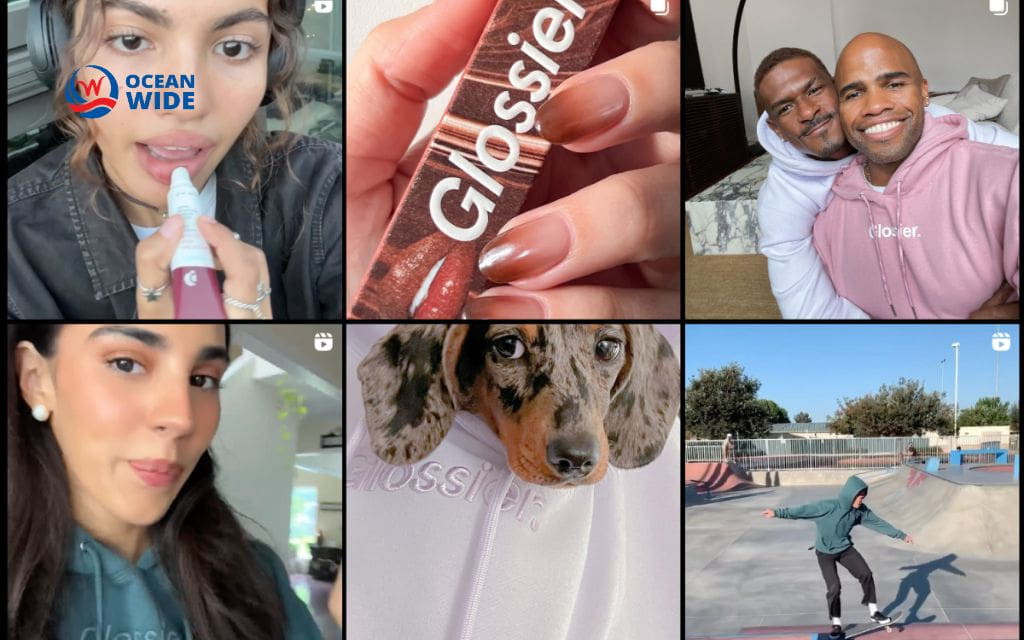
Glossier identified and cultivated what it called its “top 500 representatives,” everyday customers who genuinely loved the products and shared them with their own networks. These customers received early access to products and became the brand’s primary ambassadors before Glossier invested in any celebrity partnerships.
Goal: Build a beauty brand with its community at the center rather than through traditional paid advertising.
Result: Glossier built a multi-million dollar beauty brand almost entirely on earned and community-driven content. The brand’s sales were driven largely by its ambassador community for the first several years of operation.
Principle: A brand’s most persuasive sales force is often already in its customer base. Investing in community before investing in celebrities produces advocacy that is more durable and more trusted.
16. Salesforce: LinkedIn thought leadership
Salesforce trained its executives and marketing team to publish regular thought leadership content on LinkedIn, covering sales strategy, CRM best practices, and emerging technology trends. The content led with education rather than product promotion.
Goal: Build brand awareness and generate inbound leads among B2B decision-makers through educational content.
Result: Salesforce consistently ranks among the most-followed and most-engaged B2B brands on LinkedIn. Its content generates millions of organic impressions monthly and drives significant inbound pipeline for its sales team.
Principle: B2B buyers do not respond to promotional content the way B2C consumers do. They respond to education, insight, and demonstrated expertise. LinkedIn thought leadership that teaches first and sells second builds the kind of trust that shortens B2B sales cycles.
17. Oreo: Dunk in the Dark
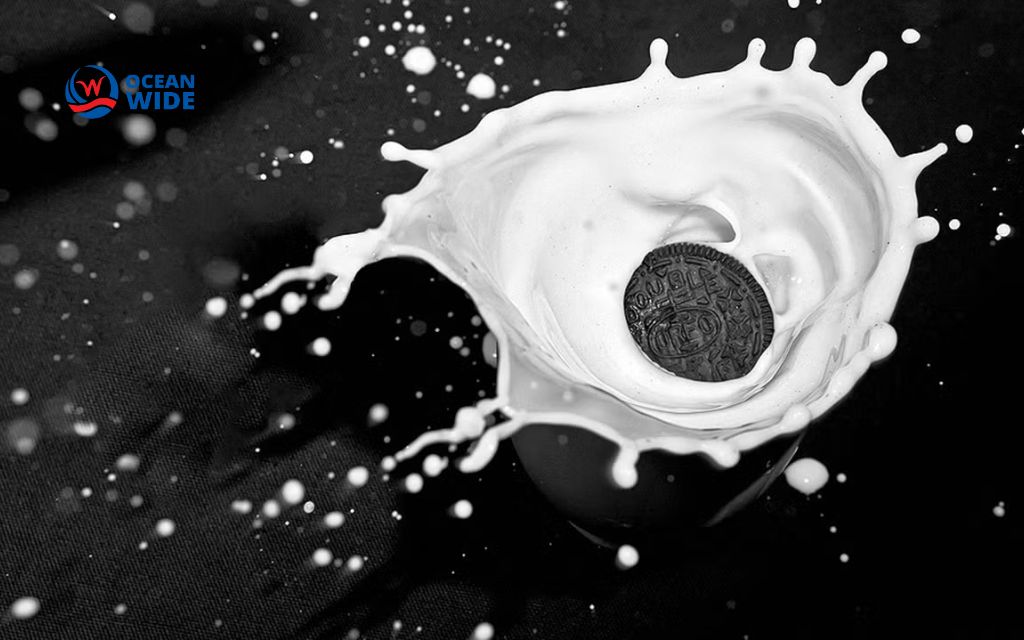
During Super Bowl XLVII in February 2013, a power outage darkened the stadium for 34 minutes. Oreo’s social media team, already assembled in a “war room” for the game, published a single tweet within minutes: “You can still dunk in the dark.” The image was simple. The timing was everything.
Goal: Generate brand awareness by reacting faster than any competitor to a live cultural moment.
Result: The tweet earned over 10,000 retweets and 18,000 Facebook likes within an hour. It generated media coverage worth an estimated $50 million in earned media and became a defining case study in real-time marketing.
Principle: Speed and cultural awareness beat production budget. A single well-timed, relevant post can outperform a costly campaign. Brands that have the internal structure to approve and publish content quickly gain a permanent advantage in real-time moments.
18. Duolingo: Duo the Owl TikTok persona
Duolingo developed a TikTok presence centered on an exaggerated, self-aware version of its owl mascot, Duo, known for its absurdist humor, self-deprecation, and commentary on internet culture. The content referenced memes, trending audio, and pop culture moments without losing the core character’s voice.
Goal: Build brand awareness among younger audiences on TikTok by creating a consistent, distinctive brand character.
Result: Duolingo’s TikTok account grew to over 12 million followers and consistently earns millions of views per post. The brand became a case study in how a clear social media voice, maintained consistently, builds compound reach over time.
Principle: Brand voice consistency on social media compounds the way interest compounds. A distinctive character that shows up reliably, in a format native to the platform, accumulates recognition that cannot be bought in a single campaign.
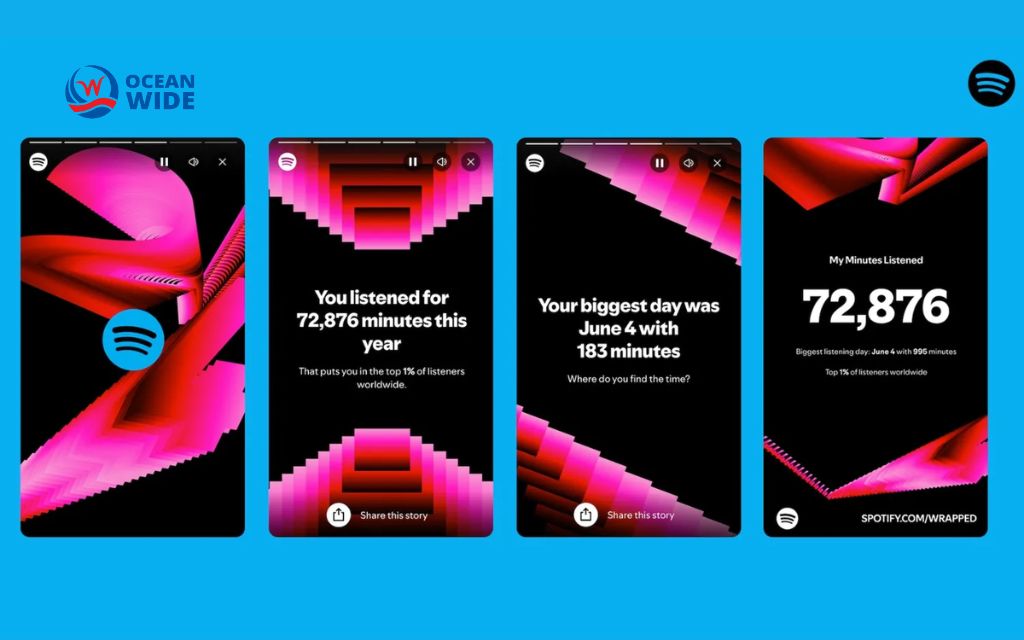
19. Spotify: Wrapped
Each December, Spotify releases a personalized annual listening summary for every user, presented as a visually designed, swipeable story format. Users see their top songs, top artists, total minutes listened, and a personality type based on their listening behavior. The format is designed to be screenshotted and shared.
Goal: Convert Spotify’s own user data into shareable, personalized content that drives both social conversation and app re-engagement.
Result: Spotify Wrapped generates hundreds of millions of social media posts each year without any paid amplification. In 2022, Spotify Wrapped drove more than 30 billion streams of top tracks on its release day and became an anticipated annual cultural event.
Principle: The most shareable content is content that is about the person sharing it. Spotify’s insight was that its own data, when presented in a personalized and visually compelling way, becomes a product users want to share publicly.
20. Wendy’s: Twitter roast strategy
Wendy’s social media team developed a sharp, irreverent brand voice on Twitter characterized by direct comebacks to competitor brands, witty responses to customer questions, and the willingness to start fights it intended to win. The strategy turned Wendy’s Twitter account into a media property that consumers followed for entertainment, not just promotions.
Goal: Make Wendy’s stand out in a category where most fast-food brands sound identical on social media.
Result: Wendy’s Twitter following grew from under one million to over four million. The brand’s social content generated consistent earned media coverage in major outlets and became one of the most-cited examples of distinctive brand voice in digital marketing.
Principle: Breaking category norms earns organic media coverage. When a brand sounds unlike every other brand in its space, media covers it as a story. The result is earned reach that paid advertising cannot replicate.
Lessons that apply regardless of budget or brand size
None of the 20 campaigns in this article succeeded because of budget alone. Oreo’s most recognized social moment cost almost nothing. The ALS Ice Bucket Challenge spread because its mechanic was simple and social, not because it was expensive. What these campaigns share is audience understanding: a clear picture of who the target audience is, what motivates them to participate, and where they spend time online. Platform choice, content format, and creative direction all follow from that understanding.
The second pattern is participation over broadcasting. Campaigns that invite action, whether a photo submission, a challenge, a hashtag, or a shared annual ritual, consistently outperform campaigns that ask an audience to simply watch. The scale between a global brand and a small business differs. The logic does not.
Common mistakes that make campaigns fall flat
Strong examples are worth studying. So are the patterns that cause campaigns to underperform. These four mistakes appear across brands of every size.
- Chasing virality without a goal Viral reach without a defined conversion objective is brand spend, not brand investment. Before launch, decide whether the goal is awareness, engagement, leads, or sales, and build the campaign around that goal.
- Copying a format without understanding audience fit. Chipotle’s #GuacDance worked on TikTok because its audience was already there and the mechanic matched the platform’s culture. Format selection must follow audience behavior, not trend reports.
- Posting without consistency. Duolingo’s TikTok success came from months of steady, voice-driven content, not a single campaign. Brands that go silent between campaigns do not build the recognition that makes social media compound over time.
- Skipping measurement. Without defined KPIs before launch, there is no way to optimize mid-campaign or assess what worked afterward. Set a baseline, check performance at the midpoint, and evaluate against the original goal, not a competitor’s results.
Conclusion
The 20 social media marketing examples in this article share one underlying truth: the most effective campaigns are built around people, not products. They start with a precise understanding of the target audience, choose platforms and formats based on where that audience is active, and create conditions for participation rather than passive consumption.
Ready to build a social media strategy with real results? The Ocean Wide is a full-service digital marketing agency based in Denver, Colorado, helping businesses of every size develop social media campaigns that connect, convert, and grow. Whether you are launching your first campaign or refining a strategy that has plateaued, our team brings the same principles to your brand that power the world’s most recognized campaigns. Contact us today at (720) 295-9270 for a free consultation.
Frequently asked questions (FAQs)
What is a social media marketing campaign?
A social media marketing campaign is a planned set of content and actions across one or more platforms, tied to a specific business goal and a defined timeframe. Unlike regular posting, a campaign has a clear start and end date, dedicated creative assets, and measurable outcomes.
How is a campaign different from regular posting?
Regular posting maintains an ongoing brand presence. A campaign is goal-specific, built around a single objective such as a product launch, event promotion, or audience growth, with tracking in place from the start. Most successful brands run both at the same time.
Do you need a big budget to run a successful social media campaign?
No. Oreo’s “Dunk in the Dark” tweet cost almost nothing. The ALS Ice Bucket Challenge required no paid media to reach 17 million participants. Budget expands reach, but it does not replace a strong audience insight or a well-designed participation mechanic.
Which platform is best for social media marketing?
The best platform is where your target audience is most active. Instagram favors visual and short-form video content. LinkedIn serves B2B and thought leadership. TikTok rewards fast, platform-native creativity. Facebook offers the broadest reach and the most advanced paid targeting. Start with one platform your audience already uses before expanding.
What makes a social media campaign go viral?
Viral spread typically comes from low participation friction, emotional resonance, and peer-to-peer mechanics. When sharing feels natural, personally meaningful, or socially rewarding, people do it without a financial incentive. There is no reliable formula, but campaigns built around participation and personalization spread more consistently than those built around promotion.