Skip to content


Social media for chiropractors works best as a mix of consistent patient education, authentic behind the scenes content, and clear calls to action that guide followers toward booking an appointment. Facebook and Instagram remain the strongest starting points for most practices, supported by a fully optimized Google Business Profile and, once organic content is consistent, paid social ads that extend local reach. This guide covers platform selection, content planning, compliance requirements specific to healthcare marketing, and how to measure whether the effort is actually producing new patients.
Why social media matters for chiropractic practices
According to Pew Research Center, more than one third of U.S. adults now use the internet to research a medical concern before ever contacting a provider, and social platforms increasingly influence which doctor or clinic they choose. For a chiropractor, social media marketing often functions as a first impression. A prospective patient may see a post, a review, or a short video long before they ever pick up the phone or visit a website.
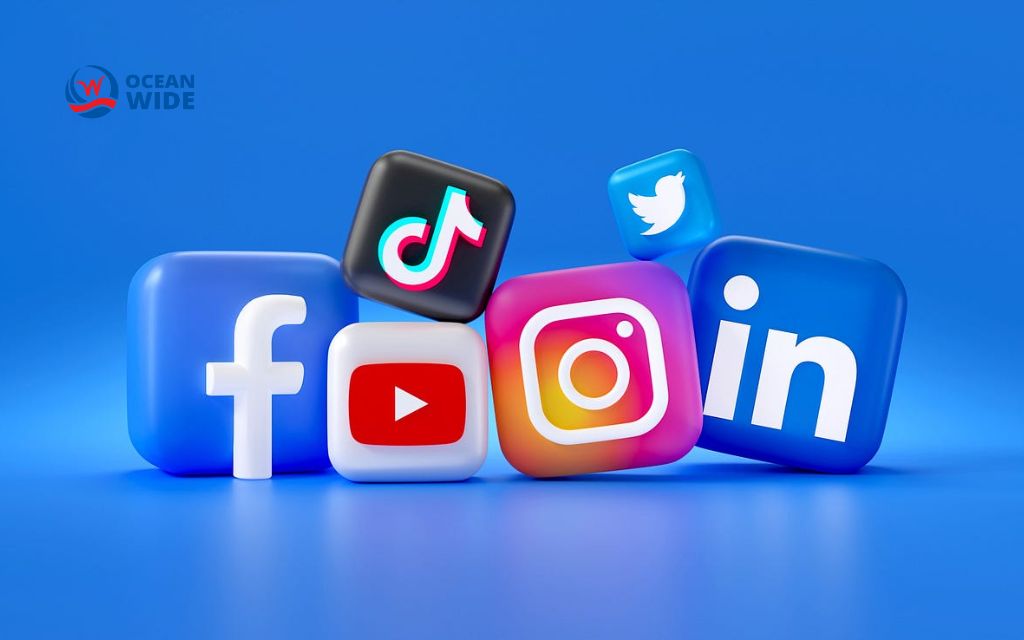
Platform adoption across the country remains high. Pew’s most recent survey found that the large majority of U.S. adults use YouTube, most use Facebook, half use Instagram, and a smaller but growing share use TikTok. That spread means prospective patients are likely already scrolling through at least one of these platforms on any given day, whether they are actively searching for a provider or simply seeing a neighbor’s recommendation appear in their feed. A few things follow from this:
- Most U.S. adults use YouTube and Facebook, and half use Instagram, so a presence on even one platform puts your practice in front of the majority of potential patients.
- More than a third of adults research medical concerns online before contacting a provider, so educational content can answer common questions before a patient ever calls.
- Social platforms increasingly shape which provider a patient chooses, so a consistent, trustworthy presence can be the deciding factor between your practice and a competitor down the street.

Choosing the right platform for your practice
Facebook reaches a broad age range and remains strongest with adults between 30 and 65. It works well for patient education posts, practice updates, community content, and review management, and it calls for a moderate time investment. For most chiropractic practices, Facebook is the best platform for building local trust and managing reputation.
Instagram skews slightly younger, from younger adults through middle age, and rewards visual content such as short videos, mobility tips, and behind the scenes reels. It takes a moderate to high time investment to do well, but it is one of the strongest platforms for showing the treatment experience and the personality of the team.
TikTok
TikTok’s audience is mostly under 35, and it favors short, fast paced educational or myth debunking videos. Production time runs high relative to other platforms, but TikTok can reach a younger audience and build broader awareness for a practice willing to invest in video.
YouTube
YouTube has the broadest overall reach across age groups of any platform. It suits longer educational videos, patient stories, and explainer content. It takes the most time to produce well, but that long form education also supports search visibility beyond the platform itself.
Google Business Profile
Google Business Profile reaches people at the most valuable moment, while they are actively searching for a provider. Photos, posts, and prompt responses to reviews take relatively little time to maintain, and this profile is often what turns a search into a booked appointment.
Most practices see the strongest return by starting with Facebook and Instagram, then adding YouTube or TikTok once posting has become a steady habit rather than an afterthought.
What makes a good chiropractic social media post?
Build content around a purpose
Every post should give the viewer a reason to stop scrolling. The most reliable way to do that is to rotate through a defined set of content types rather than posting whatever comes to mind.
- Patient education: Short videos or graphics on posture, pain causes, or spinal health answer questions before a patient ever calls.
- Behind the scenes: A clip of the team, a look at what a first visit involves, or a photo from a community event makes the practice feel approachable.
- Patient testimonials: Written or video stories from patients who have provided signed authorization build social proof for prospective patients.
- Promotions and events: Posts about wellness screenings, workshops, or open house events drive specific, time bound action.
Post on a consistent schedule
Consistency signals credibility. A prospective patient who sees a practice post once and then nothing for several weeks has little reason to follow along. Three to five posts a week on the primary platform is a realistic target for most practices, with lighter content filling the days in between.
Batching makes this sustainable. Filming or writing several posts in a single two to three hour block each week keeps the calendar full without social media consuming every morning. Tying some posts to the calendar, posture tips at the start of a school year, mobility advice before a sports season, stress relief content around the holidays, adds timely variety without requiring a separate planning process.
Engage beyond the caption
A post that ends without inviting a response misses the easiest opportunity to build a relationship. Asking a question in the caption, replying to every comment, and responding to direct messages promptly all signal that a real team is behind the account.
Practices that engage consistently tend to see stronger organic reach, since Facebook and Instagram both treat comment activity as a signal of relevance. More practically, a prospective patient who receives a direct reply is far more likely to book than one who watched a video and scrolled on.
Connect every post to your practice compliantly
Every post should give an interested viewer a clear next step: a booking link in the bio, a phone number in the caption, or a prompt to send a message. That connection is what turns content into appointments.
For chiropractic practices, this step requires care. The Health Insurance Portability and Accountability Act requires written, signed authorization before any patient photo, story, or testimonial that could identify them is shared publicly. Most state chiropractic boards also regulate outcome claims in advertising, which means avoiding language like cure or guarantee and noting that results vary when testimonials are shared.
Building consent into the intake process means authorization is already on file when a patient offers to share their experience. Handled correctly, patient stories become some of the most persuasive content a practice can publish.

What to avoid in social media for chiropractors
A few habits show up again and again in chiropractic social media accounts that struggle to build trust, and they are easy to avoid once a practice knows to watch for them.
- Post patient photos, names, or stories without signed authorization: This violates HIPAA and can lead to fines or legal action.
- Use language like cure or guarantee in promotional content: Most state chiropractic boards restrict this kind of claim in advertising.
- Comment negatively about other providers or practices: This damages professional reputation and erodes patient trust far more than it helps.
- Share health claims without a credible source: Unsupported statements undermine authority and can mislead patients who rely on the practice for accurate information.
- Post rushed, low effort content just to stay active: A quiet account often reads as more trustworthy than one that publishes inconsistent or careless material.
Turning followers into booked appointments
Followers and likes do not pay the bills. The goal of chiropractor social media marketing is a steady flow of new and returning patients, which means every piece of content should point toward a next step.
- Add a booking link to the bio and a pinned post: This removes friction between a viewer’s interest and the action of booking an appointment.
- Set up automated replies for common direct messages: Questions about hours and availability are among the most frequent a practice receives, and a fast response keeps the conversation moving.
- Include a clear call to action in every post: Tell the reader exactly what to do next, whether that is call, book online, or send a message.
- Send a review request after every positive visit: This builds the volume of reviews that both prospective patients and local search rankings depend on.
Conclusion
Social media for chiropractors works when it is treated as an ongoing part of practice growth rather than a task to check off occasionally. A practice that picks the right platforms, plans content around a small set of repeatable pillars, follows HIPAA and state board requirements, and connects its social presence to local SEO and paid advertising builds a marketing engine that keeps producing new patients well after the first few posts go up.
The Ocean Wide is a digital marketing agency based in Denver, Colorado, that helps healthcare practices across the country turn social media into a steady source of new patients. To talk through a social media plan built around your practice’s goals, reach out at (720) 334-0899 to schedule a consultation today!
Frequently asked questions (FAQs)
What social media platform is best for chiropractors?
Facebook and Instagram tend to work best for most chiropractic practices because they reach a broad range of adult age groups and support both community building and visual, educational content. TikTok and YouTube can be strong additions once a practice has the capacity to produce video content consistently.
How often should a chiropractic clinic post on social media?
Three to five posts a week on the primary platform is a realistic and sustainable target for most practices, supported by lighter content, such as quick photos or stories, on the days in between.
Can social media replace SEO for a chiropractic practice?
No. Social media and local SEO work together rather than substituting for one another. A strong Google Business Profile and website still drive most of the traffic from people actively searching for a chiropractor, while social media builds the trust and awareness that bring people to that search in the first place.
What are the compliance risks of posting patient testimonials on social media?
Posting a patient photo, story, or testimonial without signed, written authorization can violate HIPAA, and most state chiropractic boards also restrict how outcomes can be described in advertising. Building consent into the intake or progress visit process helps a practice share real patient stories without taking on unnecessary risk.
When should a chiropractic clinic hire a marketing agency for social media?
A practice with limited internal time, multiple locations, or a goal of growing patient volume faster than internal staff can manage tends to benefit most from working with an agency, since consistent content production and paid advertising both require ongoing attention that is difficult to sustain alongside patient care.