When your customers comment, message, or tag your business on social media, your response shapes their trust in your brand. Social media community management is the ongoing work of replying, engaging, and building relationships, not just posting content. For startups and small businesses across Denver and Colorado, strong community management can mean more repeat customers, better online reviews, and a steady stream of word-of-mouth referrals.
This article breaks down what community management on social media really is, the benefits for local businesses, key tools and KPIs, and when it makes sense to bring in expert support. If you are ready to turn your social feeds into a real business asset, The Ocean Wide in Denver is here to help.
What is social media community management?
Clear definition in plain language
Community management in social media goes beyond scheduling posts or running ads. It focuses on conversations. A community manager replies to comments and direct messages, moderates discussions, responds to reviews, and joins relevant conversations about your brand across platforms like Facebook, Instagram, LinkedIn, X, and TikTok.
At its core, social community management is about engaging with your audience and building relationships, not just liking posts. When a customer asks a question on your Instagram story or leaves a review on your Google Business Profile, how you respond and how quickly you respond determines whether that person becomes a loyal customer or walks away to a competitor.
Community management vs social media management vs social media marketing
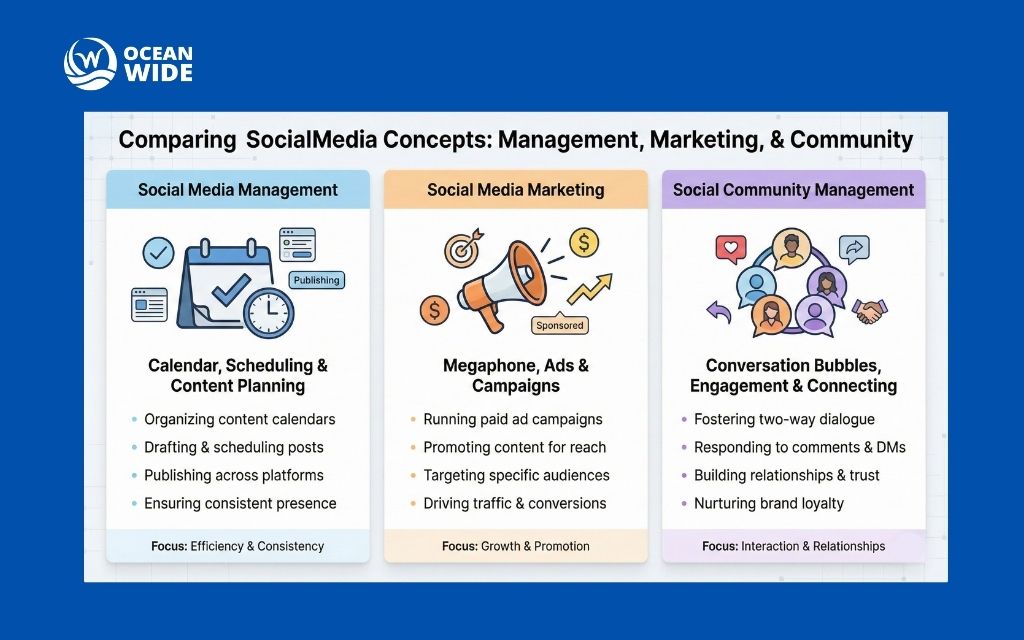
Many business owners confuse these three terms. Social media management typically covers content calendars, scheduling posts, and tracking basic analytics. Social media marketing adds paid advertising campaigns, influencer partnerships, and conversion funnels into the mix. Community management on social media sits between these two functions and supports both.
Community managers handle the human side of your social presence. They answer questions, calm frustrated customers, celebrate wins with happy customers, and keep the conversation flowing. Marketing teams create campaigns. Community teams make sure those campaigns connect with real people. Customer service teams handle phone calls and emails. Community teams extend that care to social channels where your customers already spend their time.
Types of social communities (owned, social, and hybrid)
Your business can build three types of communities. Owned communities live on platforms you control, such as Facebook Groups, Mighty Networks, or Circle spaces. You set the rules, own the member data, and can monetize access through memberships or courses. Social communities exist on public platforms where you attract followers on Instagram, X, LinkedIn, or TikTok but do not own the platform or the algorithm. Hybrid communities combine in-person events in Denver with online groups and pages, creating connections that bridge digital and real-world relationships.
Many Colorado businesses thrive with hybrid models. A Boulder yoga studio might host weekly classes while maintaining an active Facebook Group where members share progress photos and ask questions between sessions. A Denver tech startup might use LinkedIn for professional networking while hosting quarterly meetups at Galvanize or WeWork. Hybrid approaches let you meet customers where they are, both online and offline.
Why social community management matters for Denver small businesses
From followers to loyal customers
Ongoing engagement increases brand awareness, loyalty, and conversions. Brands with active communities see much higher customer retention and customer lifetime value compared to businesses that post content but never respond. When you reply to comments, answer DMs, and participate in conversations, you transform passive followers into active participants who feel invested in your success.
Dedicated community managers can dramatically increase retention and reduce acquisition cost because they resolve issues early and keep customers engaged. A customer who receives a fast, helpful reply to a question on Instagram is more likely to make a purchase, leave a positive review, and recommend your business to friends. That cycle of engagement builds momentum over time, turning your social channels into a reliable source of repeat business and referrals.
Impact on reviews, referrals, and local reputation
Fast, empathetic replies reduce negative reviews and turn unhappy customers around. When someone posts a complaint on your Facebook page, a quick public response shows other potential customers that you care about making things right. Managing your Google Business Profile, Facebook reviews, and local forum mentions matters in Denver because many Colorado customers check reviews before visiting a new restaurant, booking a service, or choosing a contractor.
Local reputation spreads fast in tight-knit Denver neighborhoods like Highland, RiNo, and Cherry Creek. One positive interaction on social media can lead to referrals within a community. One ignored complaint can do the opposite. Community management on social media protects your reputation and amplifies the good experiences your customers already have.
Culture, team, and brand voice
Community management reflects company culture and can improve inclusion and belonging internally and externally. When your community manager responds with warmth and respect across all platforms, that tone signals to customers and employees what your brand stands for. Consistent brand voice across platforms builds trust and recognizable identity in the local market.
For example, a Denver-based outdoor gear company might use a friendly, adventure-focused tone that matches the Colorado lifestyle. A tech startup in Boulder might adopt a professional but approachable voice that reflects innovation and collaboration. Your social community management strategy should align with the culture you want to create inside your business and the experience you want customers to have when they interact with your brand.
Denver and Colorado examples
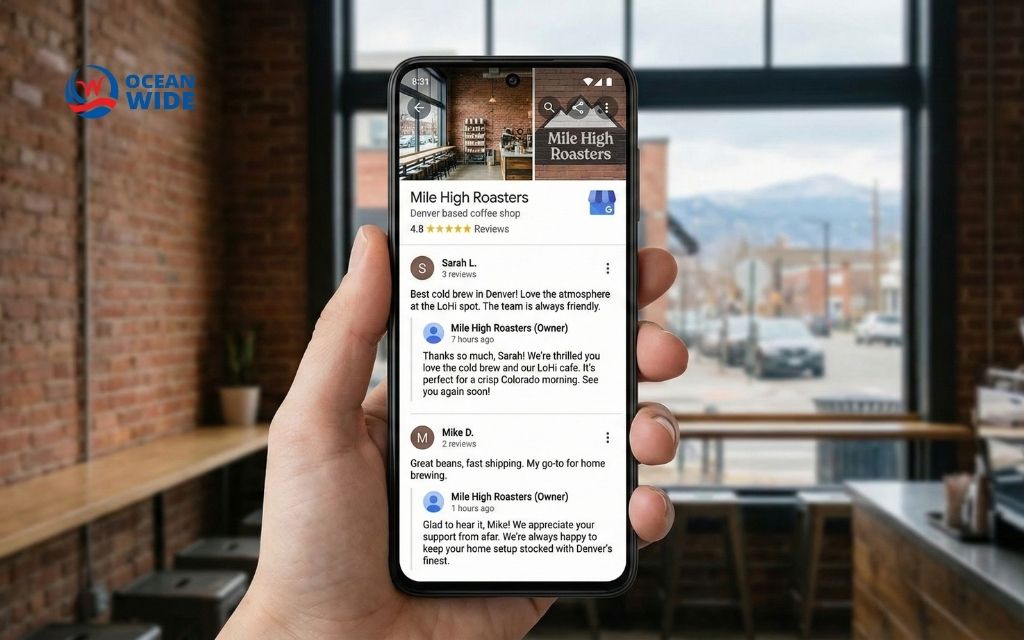
A Highland coffee shop replies to every review and DM to grow regulars. When a customer posts a photo of their latte on Instagram and tags the shop, the owner leaves a comment thanking them and inviting them back for a seasonal special. When someone asks about dairy-free options in a Facebook comment, the team replies within an hour with a full list of alternatives. These small interactions add up to a loyal customer base that chooses this coffee shop over national chains.
A Denver wellness clinic uses Instagram comments and DMs to answer FAQs and book consults. Potential clients ask questions about services, pricing, and availability in direct messages. The community manager replies promptly, provides clear information, and sends a booking link. This seamless process turns curiosity into appointments without requiring phone calls or complicated forms. The clinic tracks how many new clients start with a social media conversation, proving the ROI of community management in social media.
Key elements of effective community management on social media
Choosing the right platforms for Colorado audiences
Different business types thrive on different platforms. Instagram and TikTok work well for food and retail because visuals drive engagement. Facebook and Google Business Profile suit local services like plumbers, landscapers, and salons because customers search for businesses near them. LinkedIn supports B2B companies and professional services targeting other Denver businesses.
Focus on one to three platforms where local customers are most active. Spreading yourself too thin leads to inconsistent replies and missed messages. A Denver bakery might prioritize Instagram for daily photos and Google Business Profile for reviews and directions, skipping LinkedIn entirely. A commercial cleaning company might focus on LinkedIn for corporate clients and Facebook for local property managers, avoiding TikTok. Choose platforms based on where your customers spend time, not where you think you should be.

Response time, tone, and escalation rules
Target response time goals for comments and DMs matter because customers expect fast replies on social media. Aim to respond within one hour during business hours and within 24 hours outside business hours. Faster responses improve customer satisfaction and signal to platform algorithms that your account is active and engaging.
Tone guidelines keep your replies friendly, human, respectful, and consistent with brand voice. Train your team or agency partner to avoid robotic, scripted responses. Use the customer’s name when possible. Acknowledge their concern or question before jumping to a solution. Thank them for their patience if there is a delay.
Escalation paths define when to hand off a conversation to the owner, support team, or legal counsel. Simple questions and compliments can be handled by a community manager. Complaints about safety, legal threats, or serious service failures need immediate escalation. Document your escalation rules so everyone on your team knows when to loop in leadership.
Proactive engagement: don’t just wait for comments
Liking and commenting on local tags and mentions expands your reach beyond your own followers. When a customer tags your Denver restaurant in their Instagram story, share it to your own story and thank them. When a local influencer mentions your product, leave a genuine comment. Engaging with Denver hashtags, local events, and partner businesses keeps your brand visible in the community.
Encouraging user-generated content (UGC) and featuring local customers builds authentic connections. Run a contest asking customers to share photos using your product or visiting your location. Repost the best submissions with credit and a thank-you message. UGC acts as social proof, showing potential customers that real people love your business. It also provides fresh content for your feed without requiring you to create everything from scratch.
Community guidelines and moderation
Small businesses should publish simple community rules to set expectations. Common rules address spam, hate speech, promotions, and off-topic comments. Post your guidelines in your Facebook Group description, Instagram bio link, or pinned post. Clear rules make moderation easier and protect your community from disruptive behavior.
Handling trolls, spam, and misinformation while protecting your team’s wellbeing requires balance. Delete spam immediately. Hide or delete comments that violate your guidelines. Block repeat offenders. For trolls who post inflammatory comments, you can choose to ignore them, respond once with factual information, or remove the comment and block the user. Protect your community manager from burnout by rotating difficult moderation tasks and providing support when they encounter abusive messages.
Social media community management strategy for Denver startups
Setting goals and KPIs
Tie goals to business outcomes such as leads, visits, bookings, reviews, and referrals. A Denver fitness studio might set a goal to book 20 new consultations per month through Instagram DMs. A local plumber might aim to increase Google reviews from 50 to 100 within six months. Clear goals make it easier to measure success and adjust your strategy.
Introduce KPIs like engagement rate, response time, response rate, sentiment, review ratings, and retention. Engagement rate measures how many people interact with your content compared to how many see it. Response time tracks how quickly you reply to messages and comments. Response rate shows what percentage of messages you actually answer. Sentiment analysis looks at whether comments and mentions are positive, neutral, or negative. Review ratings track your average star rating on Google, Facebook, and other platforms. Retention measures how many customers come back for repeat purchases.
High engagement and strong communities improve retention and reduce acquisition costs. When customers feel connected to your brand through social interactions, they stick around longer and spend more over time. Acquiring new customers costs five to seven times more than retaining existing ones. Community management on social media shifts the balance toward retention, making your marketing budget go further.
Daily, weekly, and monthly workflows
Daily tasks include checking your unified inbox, responding to DMs and comments, and escalating priority issues. Set aside time each morning to review overnight messages and comments. Respond to simple questions immediately. Flag complaints or time-sensitive requests for follow-up. Check your Google Business Profile for new reviews and reply to each one.
Weekly tasks include reviewing top questions, creating content around FAQs, and highlighting local stories. If multiple customers ask the same question in DMs, turn the answer into a post or story so everyone can see it. Feature a customer story, partner shoutout, or team member spotlight each week to keep your feed fresh and human.
Monthly tasks include reviewing analytics and adjusting strategy for seasonality in Denver. Tourism peaks in summer and winter ski season. Holidays drive shopping behavior. Local events like the Denver March Powwow, Great American Beer Festival, or First Friday Art Walks create opportunities for timely content and engagement. Use monthly reviews to spot trends, celebrate wins, and identify areas for improvement.
AI and tools for social community management
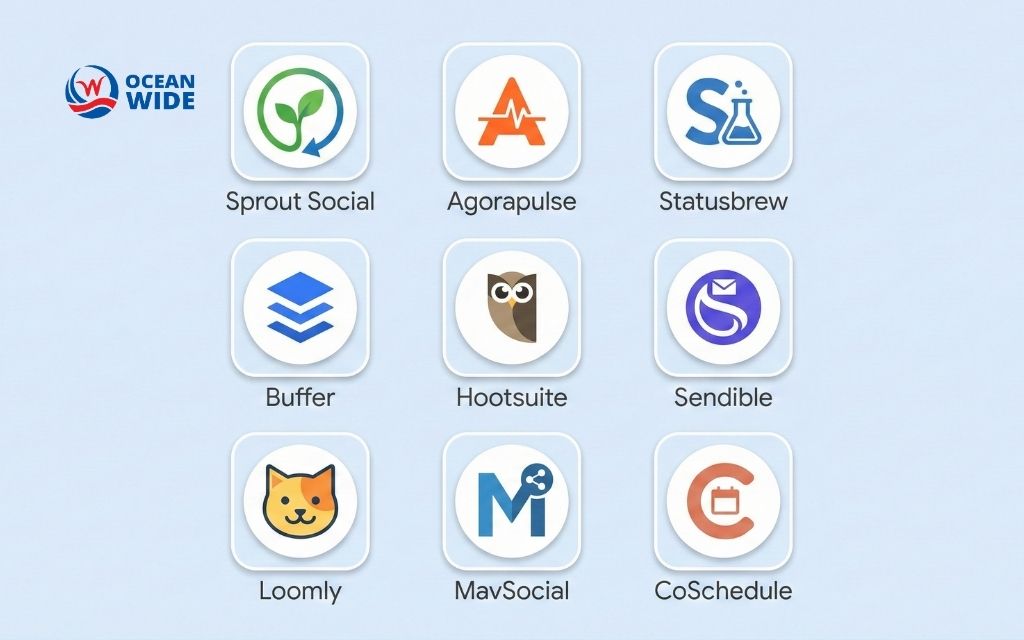
Modern community tools reduce workload for lean startup teams while improving consistency. Statusbrew, Sprout Social, Agorapulse, Sociality.io, Brand24, Circle, and Mighty Networks offer features like unified inbox, automation rules, AI insights, tagging, and reporting.
A unified inbox pulls messages and comments from all your platforms into one dashboard so you never miss a DM. Automation rules can assign messages to specific team members, tag conversations by topic, or send auto-replies during off hours. AI insights surface common questions, trending topics, and sentiment shifts so you can respond strategically. Tagging helps you organize conversations by customer type, issue category, or urgency. Reporting shows KPIs over time and proves ROI to stakeholders.
These tools are increasingly supported by AI that centralizes inboxes, automates triage, and surfaces insights, which reduces operational costs for small teams. Instead of logging into five different apps to check messages, your community manager opens one dashboard. Instead of manually sorting hundreds of comments, AI highlights the ones that need immediate attention. This efficiency lets small businesses compete with larger competitors who have bigger teams.
When to keep it in-house vs hire a Denver agency
Signs to stay in-house include low message volume, strong internal expertise, and tight budget. If you receive fewer than 20 messages per week across all platforms and you enjoy engaging with customers, handling community management yourself makes sense. If you have a team member with social media experience and time to dedicate to replies, keep it in-house for now.
Signs to hire include missed DMs, inconsistent replies, growing negative reviews, multi-platform needs, and lack of time. If you regularly forget to check your Instagram DMs or Facebook messages, you are losing potential customers. If your replies vary in tone or take days to send, customers notice. If your review ratings are dropping because you do not respond to complaints, you need help. If you manage five platforms and struggle to keep up, delegating makes sense. If you would rather spend time running your business than managing social comments, hiring a partner frees you to focus on your strengths.
The Ocean Wide offers flexible support for hybrid models where you handle some tasks and we handle others, or fully managed services where we take care of everything. Contact us at (720) 334-0899 or [email protected] to discuss which model fits your Denver business.
Case study: social community management for a Denver small business
Starting point and challenges
A local Denver home services company struggled with low engagement and spotty reviews. The owner posted occasionally on Facebook and Instagram but rarely checked messages. Customers tagged the business in photos of completed projects, but the team never replied or shared the posts. Google reviews sat at 3.8 stars because the owner only responded to positive reviews and ignored negative ones. Potential customers who sent Instagram DMs asking about services never received replies, so they moved on to competitors.
Pain points included slow responses, missing messages, and no tracking of questions or complaints. The owner did not know how many leads came through social channels or which questions were most common. There was no system for escalating urgent issues. The business was losing revenue to competitors who responded faster and built stronger online relationships.
Strategy implemented
The Ocean Wide implemented structured community workflows with response SLAs, tone guide, and escalation paths. We set a target response time of two hours during business hours and 24 hours on evenings and weekends. We created a tone guide that matched the owner’s friendly, knowledgeable voice. We established escalation rules so emergency requests went directly to the owner via text while routine questions were handled by our team.
We used AI-enabled tools for unified inbox and reporting, plus encouragement of local UGC. All messages and comments from Facebook, Instagram, and Google funneled into one dashboard. AI flagged urgent keywords like “emergency,” “leak,” or “broken” so we could prioritize responses. We asked happy customers to share before-and-after photos and offered to feature them on the business’s social feeds. This generated fresh content and social proof without requiring the owner to create everything.
Results and lessons
Review scores improved from 3.8 to 4.6 stars within four months. We replied to every review, thanking customers for positive feedback and addressing concerns in negative reviews. We resolved two major complaints that turned into updated positive reviews after we made things right. Engagement on posts increased by 140 percent because we replied to every comment and tagged customers in stories. Repeat visits and referrals grew as customers felt more connected to the business.
The broader cultural impact included more positive internal culture, clearer brand voice, and stronger sense of local community. The owner’s team felt proud to see customer stories featured online. Employees started sharing posts and engaging with followers because they saw the value. The business became known in its Denver neighborhood not just for quality work but for caring about customers. Social community management transformed an organization’s culture by strengthening inclusion, belonging, and employee engagement, which indirectly improved customer experience.
How The Ocean Wide supports social media community management in Denver
Services tailored to startups and small businesses
The Ocean Wide offers community management on social media, social listening, review and reputation management, engagement campaigns, and UGC programs. We understand that startups and small businesses need flexible packages that fit lean budgets. Our services scale with your growth, starting with basic inbox management and expanding to full-service community strategies as your needs evolve.
We work with businesses across Denver and Colorado, from early-stage startups in tech and wellness to growing local brands in retail, food, and professional services. Whether you need help managing one platform or coordinating across five, we build a plan that matches your resources and goals.
Tools, processes, and reporting that prove ROI
We use modern community management tools and analytics dashboards to track KPIs like engagement rate, response time, sentiment, and customer retention. Our reports connect engagement to business outcomes such as leads, appointments, store visits, and repeat purchases. You will see exactly how many customers start their journey with a social media conversation and how many turn into paying clients.
We provide monthly summaries that show trends over time, highlight top-performing content, and recommend adjustments for the next month. This transparency helps you understand the ROI of community management on social media and make informed decisions about your marketing budget.
Local expertise across Colorado communities
We understand Denver neighborhoods and wider Colorado markets, from diverse cultural communities in Aurora to tourism-driven mountain towns like Breckenridge and Vail, college towns like Boulder and Fort Collins, and suburban areas across the Front Range. This local expertise helps us craft messages that resonate with your specific audience.
We are available for strategy calls and support during Colorado business hours and beyond. Whether you need to discuss a campaign idea over coffee at a Cherry Creek cafe or troubleshoot a review response via video call, we are here. Our team knows the rhythms of the Colorado market and adjusts strategies for seasonal shifts, local events, and cultural moments that matter to your customers.
FAQs about social media community management
What is the difference between social media community management and social media marketing?
Community management focuses on building relationships through responses and engagement, while marketing focuses on content, campaigns, and ads. Both work together to grow your business, but they serve different functions.
How do I measure the success of my social community management?
Pricing varies by platform count, message volume, and whether services include strategy, content, and ads. Packages for small businesses are typically designed to fit lean budgets. Contact The Ocean Wide at (720) 334-0899 for a custom quote tailored to your needs.
Which platforms should my Denver business prioritize for community management?
Most local businesses benefit from focusing on Facebook, Instagram, and Google Business Profile, with LinkedIn or TikTok added depending on audience. The Ocean Wide helps you choose the right platforms based on where your customers are most active.
How do I measure the success of my social community management?
Track engagement rate, response time, review ratings, sentiment, and customer retention alongside leads, bookings, or in-store visits. The Ocean Wide provides monthly reports that connect these metrics to real business outcomes.
When should I hire an agency to manage my social media community?
If you frequently miss messages, see inconsistent reviews, or lack time to respond thoughtfully, partnering with a local Denver agency like The Ocean Wide can protect your reputation and support growth.
Visit The Ocean Wide for Denver-focused community management
The Ocean Wide offers social media community management services designed for startups and small businesses across Denver and Colorado. We also provide web design, branding, SEO, and digital advertising to help you build a complete online presence that drives results. Explore our blog for more insights on growing your business through smart digital strategies.
If you are ready to turn your social feeds into a true growth engine, connect with The Ocean Wide in Denver for social media community management built around your local customers. Schedule a free strategy call to discuss your goals and discover how we can help you boost loyalty, reviews, and sales through consistent, thoughtful engagement.
Contact The Ocean Wide today:
Address: 1007 S Federal Blvd, Denver, CO 80219, United States
Email: [email protected]
Call 24/7: (720) 334-0899
Your customers are talking on social media. We help you join the conversation and turn engagement into lasting relationships.