You already know consistency matters in social media marketing. Every expert says it. Every algorithm rewards it. Every successful brand seems to have mastered it.
So why does it still feel so hard?
Here’s the truth: most people don’t struggle with consistency because they lack motivation. They struggle because they lack a system.
Without a repeatable framework – one that tells you exactly what to post, when to post it, and how to maintain it without burning out – consistency becomes another item on an endless to-do list. One you feel guilty about. One you eventually abandon.
In this article, you’ll learn what consistency in social media marketing actually means (it’s not what most people think), why it directly affects your reach, engagement, and business trust, and most importantly, a simple, sustainable system to maintain it.
What is consistency in social media marketing?
Consistency in social media marketing means publishing content on a predictable schedule, with a recognizable message and voice, over time – so both your audience and the algorithms know what to expect.
It includes 3 key elements:
- How often you post
- What you post about
- How your brand sounds and looks
Consistency doesn’t mean posting every single day. It means your audience can rely on you to show up regularly with content that feels like it comes from the same brand every time.

Why consistency matters in social media marketing
Understanding why consistency works helps you stick with it when motivation fades. Here’s what consistency actually delivers:
Algorithm trust & visibility
Social media algorithms favor accounts that post consistently because it signals reliability. Platforms like Instagram, LinkedIn, and Facebook want to show their users fresh, regular content, not accounts that disappear for weeks and then dump five posts in one day.
When you post on a predictable schedule, algorithms learn your rhythm. They begin distributing your content more effectively because they know you’ll be back with more. Over time, this improves your organic reach even if you’re posting less frequently than competitors.
Here’s the key: consistent posting with lower frequency beats sporadic posting with high volume. Three posts every week, week after week, will outperform ten posts one week followed by silence the next.
Audience trust & brand recognition
Consistency builds familiarity. Familiarity builds credibility.
When your audience sees your content regularly – on the same days, covering similar themes, with the same recognizable style – you become a known entity. Not just another random post in their feed.
Consistent brands, on the other hand, create mental shortcuts. Your audience begins to associate certain topics or styles with your business. That recognition translates into trust, and trust is what drives engagement, clicks, and conversions.
Better engagement & lower content burnout
When your audience knows what to expect from you, they’re more likely to engage. They understand your content style. They know what value you deliver. They show up ready to interact.
For you as a creator or business owner, consistency also reduces burnout. When you have a system – content pillars to draw from, templates to reuse, a predictable workflow – you’re not starting from zero every time you need to create something. You’re building on a foundation that already works.
The 3 types of consistency you need
Most people think consistency means posting frequency. That’s only one-third of the equation. To build real momentum on social media, you need three types of consistency working together:
Cadence consistency (how often you post)
Cadence is your posting rhythm – the schedule you commit to and maintain over time.
Examples of sustainable cadences:
- 3 posts per week (Monday, Wednesday, Friday)
- 2 posts per week (Tuesday, Thursday)
- 1 post per week (every Wednesday)
All of these are valid. The best cadence is the one you can maintain for at least 90 days without breaking.
Here’s the rule: less but consistent beats more but random.
Content consistency (what you post about)
Content consistency means your audience knows what topics you cover. This is where content pillars come in. Content pillars are 3 – 5 core themes you return to repeatedly, just presented in different formats or angles. For example:
- Education (how-to guides, tutorials, tips)
- Behind-the-scenes (team culture, processes, day-in-the-life)
- Social proof (testimonials, case studies, results)
- Offers (products, services, promotions)
- Community/personality (relatable moments, values, humor)
This creates clarity for your audience and for you. They know what you stand for. You know what to create.

Brand consistency (how you sound & look)
Brand consistency means your content is recognizable, even without your logo.
This includes:
- Voice (Are you professional? Conversational? Bold? Educational?)
- Tone (Friendly, authoritative, playful, empathetic?)
- Visual style (Colors, fonts, templates, photo filters)
You don’t need perfection. You need recognition.
When someone scrolls past your post, they should think, “That’s definitely [your business name].” That kind of instant brand recognition comes from repeating the same core elements over time.
Why most people struggle with social media consistency
If consistency is so straightforward, why do so many businesses fail at it? Here are the three biggest obstacles:
Lack of a simple plan
Most people approach social media with no posting framework. They create content reactively when inspiration strikes or when they remember they “should probably post something.”
This leads to decision fatigue. Every post becomes a brand-new creative challenge instead of a repeatable task. Without a plan, consistency is impossible.
Unrealistic expectations
Many small businesses and solo creators try to copy what big brands or full-time influencers do. They commit to daily posting, elaborate graphics, trending audio, and constant engagement.
Then real life happens. They fall behind. They feel like failures. They quit.
The problem isn’t you. The problem is the standard you’re measuring yourself against. You don’t need to match a brand with a dedicated social media team. You need a system that fits your actual capacity.
Tool overload (or no tools at all)
Some businesses try to manage social media with no scheduling system, no content calendar, and no tracking. Everything is manual, reactive, and exhausting.
Others go the opposite direction: they sign up for five tools, try to master every platform at once, and get overwhelmed by dashboards and analytics they don’t understand.
Both extremes kill consistency.
The consistency system that actually works
Here’s the system that solves these problems. It’s simple, flexible, and sustainable—even if you’re managing social media alone or alongside a dozen other responsibilities.
Step 1: Choose a sustainable posting cadence
Start by choosing the minimum cadence you can maintain for 90 days without breaking.
Not the maximum you could theoretically handle if everything went perfectly. The minimum you can sustain during busy weeks, stressful seasons, and unexpected chaos.
Recommended starting cadences:
- Solo creators or very small businesses: 2–3 posts per week
- Small businesses with a part-time marketer: 3–5 posts per week
- Multi-platform businesses: 1–2 posts per platform per week
Platform-specific examples:
- Instagram: 3 posts per week (feed or Reels)
- LinkedIn: 2 posts per week (articles or updates)
- Facebook: 2–3 posts per week (mix of content types)
Checklist: How to choose your cadence
- Can you maintain this for 12 consecutive weeks?
- Does this fit your current workload?
- Can you batch-create content in advance at this pace?
- If you miss one week, can you restart without guilt?
If the answer to any of these is “no,” scale back. Remember: you can always increase frequency later. Starting too aggressively and quitting is worse than starting small and building momentum.
Step 2: Define 3–5 content pillars (so you never run out of ideas)
Content pillars are the core themes you talk about consistently. They give you an endless pool of content ideas without starting from scratch every time.
Example content pillars for different businesses:
| Business Type | Pillar 1 | Pillar 2 | Pillar 3 | Pillar 4 | Pillar 5 |
| Digital marketing agency | SEO tips | Case studies | Behind-the-scenes | Industry news | Tool recommendations |
| Landscaping company | Project showcases | Seasonal guides | DIY tips | Customer testimonials | Design inspiration |
| Fitness coach | Workout demos | Nutrition advice | Client transformations | Motivation | Q&A / myth-busting |
Once you’ve defined your pillars, content planning becomes a rotation:
- Week 1: Pillar 1 (Monday), Pillar 2 (Wednesday), Pillar 3 (Friday)
- Week 2: Pillar 4 (Monday), Pillar 5 (Wednesday), Pillar 1 (Friday)
- Week 3: Pillar 2 (Monday), and so on…
This eliminates the “what should I post?” paralysis. You always know which theme you’re covering next.
Step 3: Lock in your brand voice & visual basics
You don’t need a 50-page brand guide. You need clear, simple decisions about how your brand sounds and looks.
Define your brand voice:
Choose 3 adjectives that describe how you want to come across:
- Professional
- Friendly
- Bold
- Educational
- Playful
- Empathetic
- No-nonsense
Then write the way those adjectives sound. If you chose “friendly and educational,” your captions should feel like advice from a knowledgeable friend—not a corporate press release.
Visual consistency basics:
You need just enough consistency to be recognizable:
- 2–3 brand colors you use repeatedly
- 1–2 fonts for text overlays or graphics
- A consistent template style (doesn’t have to be fancy—Canva templates work)
Why “recognizable” beats “beautiful”:
Your audience isn’t judging your design portfolio. They’re scrolling fast, half-distracted, deciding in half a second whether to stop and read. Recognizable content stops the scroll. It says, “You know this account. You’ve liked their posts before. Pay attention.” That recognition comes from repetition, not perfection.
Step 4: Create a simple weekly workflow
Make consistency repeatable by turning content creation into a predictable weekly workflow.
Example weekly workflow (60 minutes total):
Day 1 (Monday): Idea selection (10 minutes)
- Review your content pillars
- Pick 2–3 topics for the week
- Write rough headlines or hooks
Day 2 (Tuesday): Batch writing (20 minutes)
- Write captions for all posts
- Keep them in a Google Doc or notes app
Day 3 (Wednesday): Batch design (20 minutes)
- Create graphics or pull images
- Use templates to speed this up
Day 4 (Thursday): Schedule (10 minutes)
- Upload everything to your scheduling tool
- Set post times
- Done for the week
This workflow removes decision-making from the daily grind. You’re not figuring out what to post on the fly. You’re executing a plan you already made.
Tools & templates that make consistency easier
Social media scheduling tools (pros & use cases)
Hootsuite
- Best for: Multi-platform management and teams
- Pros: Robust scheduling, analytics, team collaboration
- Use case: Businesses managing 3+ platforms
Buffer
- Best for: Solopreneurs and small businesses
- Pros: Simple interface, affordable, great for beginners
- Use case: Managing 1–2 platforms with minimal complexity
Later
- Best for: Visual-first platforms (Instagram, Pinterest)
- Pros: Drag-and-drop calendar, media library, visual planning
- Use case: Content-heavy Instagram accounts
Meta Business Suite
- Best for: Facebook and Instagram only
- Pros: Free, native scheduling, built-in analytics
- Use case: Businesses focused only on Meta platforms
Which to choose?
If you’re a solopreneur managing one or two platforms, start with Buffer or Meta Business Suite (free). If you’re managing multiple platforms or working with a team, Hootsuite offers more control.
Content calendar templates
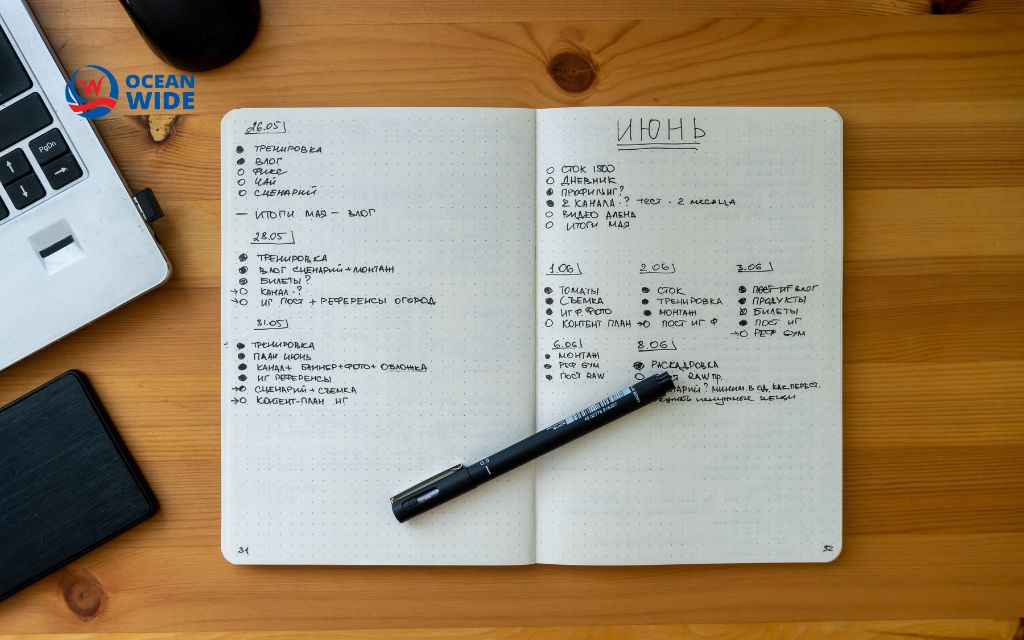
A content calendar is your visual plan for what you’re posting and when. It eliminates guesswork and keeps you accountable.
Weekly vs. monthly calendars:
- Weekly calendars work best for 2–3 posts per week (less overwhelming, easier to adjust)
- Monthly calendars work best for 5+ posts per week or multi-platform strategies
Where to build your calendar:
- Spreadsheet (Google Sheets): Simple, free, easy to share
- Notion: Visual, flexible, great for organizing ideas
- Built-in scheduling tools: Most tools like Buffer and Hootsuite have calendar views
What to look for in a good template:
- Columns for: Date, platform, content pillar, caption draft, visual idea, status
- Flexibility to adjust without rebuilding everything
- Easy-to-read layout (color coding helps)
Analytics tools to stay consistent and smart
You don’t need to obsess over metrics, but reviewing performance helps you stay consistent with what actually works.
What metrics actually matter:
- Reach: How many people saw your content
- Engagement rate: Likes, comments, shares relative to your follower count
- Saves: Indicates valuable content people want to revisit
- Profile visits: Shows people are interested enough to learn more
Ignore vanity metrics like total likes or follower count alone. Focus on trends: Are your posts reaching more people over time? Are engagement rates improving?
How to review without obsessing:
- Check analytics once a month (not daily)
- Look for patterns (which content pillars perform best?)
- Adjust your strategy based on what’s working – don’t chase every fluctuation
Consistency without burnout (make it fit real life)
The best consistency system is one you can maintain during busy seasons, not just when life is calm. Here’s how to stay consistent without sacrificing your sanity:
Repurposing content across platforms
You don’t need to create original content for every platform. One idea can become multiple posts with small adjustments.
Example: One blog post becomes:
- Instagram carousel: Top 5 takeaways with graphics
- LinkedIn article: Full post with professional framing
- Facebook post: 3-paragraph summary with a link
- Instagram Reel: 30-second talking-head version
- Email newsletter: Expanded version with a call-to-action
Platform-specific tweaks:
- Instagram: Visual-first, shorter captions, hashtags
- LinkedIn: Longer text, professional tone, no hashtags
- Facebook: Conversational, community-focused, mix of media types
Repurposing isn’t lazy, it’s strategic. Your audience on Instagram doesn’t see your LinkedIn content. You’re not repeating yourself. You’re maximizing the value of every idea.
What to do when you miss a week
Missing a week doesn’t mean you failed. It means you’re human.
Here’s what to do:
- Don’t spiral. One missed week doesn’t erase months of consistency.
- Reset, don’t quit. Post your next scheduled content as planned. Don’t try to “make up” for it by posting 10 times the following week.
- Adjust your cadence if needed. If you’re consistently missing your schedule, scale back to something more sustainable.
Reset rules, not guilt:
- Missed one week? Resume your schedule immediately.
- Missed two weeks in a row? Reassess your cadence, it might be too ambitious.
- Missed a month? Start fresh with a simpler plan and rebuild from there.
When to increase (or decrease) your cadence
Consistency doesn’t mean rigidity. As your business evolves, your posting frequency should adapt.
Signs you should scale up:
- You’re maintaining your current cadence easily for 3+ months
- You have extra time or resources (hired help, better systems)
- Your audience is growing and engagement is strong
Signs you should simplify:
- You’re consistently feeling stressed or behind
- Posting feels like a chore instead of a strategy
- You’re sacrificing content quality to hit your schedule
Scaling back isn’t failure. It’s smart management. Two high-quality posts per week will always outperform five rushed, low-effort posts.
Conclusion
Consistency in social media marketing isn’t about being disciplined, motivated, or naturally organized. It’s about having a system.
When you define a sustainable posting cadence, lock in your content pillars, and create a weekly workflow that fits your real life – consistency stops being something you struggle with and becomes something you just do.
Here’s what you’ve learned:
- Consistency builds trust, visibility, and algorithmic favor more than any single viral post ever will
- You don’t need to post daily to see results – you need to post predictably
- A simple system (cadence + pillars + workflow + tools) removes the guesswork and the guilt
Now it’s your turn:
- Choose your cadence today. Write it down. Commit to 90 days.
- Define 3 content pillars. What themes will you talk about consistently?
- Build your weekly workflow. When will you plan, create, and schedule?
________
The Ocean Wide has helped Denver businesses build sustainable social media systems since 2019. Our social marketing services are designed for business owners who don’t have time to chase trends or post every day – you need a consistency system that fits your real schedule and delivers results.
Contact us at (720) 295-9270 or visit our office at 1007 S Federal Blvd, Denver, CO 80219.
We’ll help you create a consistency plan that grows your reach and engagement without burning you out. Your audience is ready to trust you. Give them the consistency they’re looking for.
Frequently asked questions (FAQs)
Why is consistency in social media marketing important?
Consistency builds algorithmic trust, audience recognition, and long-term engagement. Platforms reward accounts that post regularly because it signals reliability. Your audience learns to expect and anticipate your content, which increases trust and makes them more likely to engage, click, and convert over time.
How often should I post to be consistent?
There’s no universal “perfect” frequency. Consistency means posting on a predictable schedule you can maintain long-term. Start with the minimum you can sustain for 90 days without stress, then scale up gradually if needed. 2 posts every week beats five posts one week followed by silence the next.
Is posting once a week enough?
Yes, if you do it consistently. Posting once a week, every week, for six months will build more momentum than sporadic daily posting. The key is reliability. Choose a day (like every Wednesday), stick to it, and focus on delivering value in that single post rather than chasing volume.
How long does it take to see results from consistency?
Most businesses start seeing measurable improvements in reach and engagement after 8–12 weeks of consistent posting. Algorithms need time to recognize your pattern, and audiences need repeated exposure to begin trusting your brand. Think in months, not days. Consistency is a compounding strategy, not a quick fix.
What’s better: consistency or quality?
You need both, but if you’re forced to choose, prioritize consistency. One great post per week that actually gets published beats a “perfect” post you never finish. Quality matters, but consistent, good-enough content will outperform inconsistent perfection every time. Build the habit first, then refine the quality as you go.