Skip to content


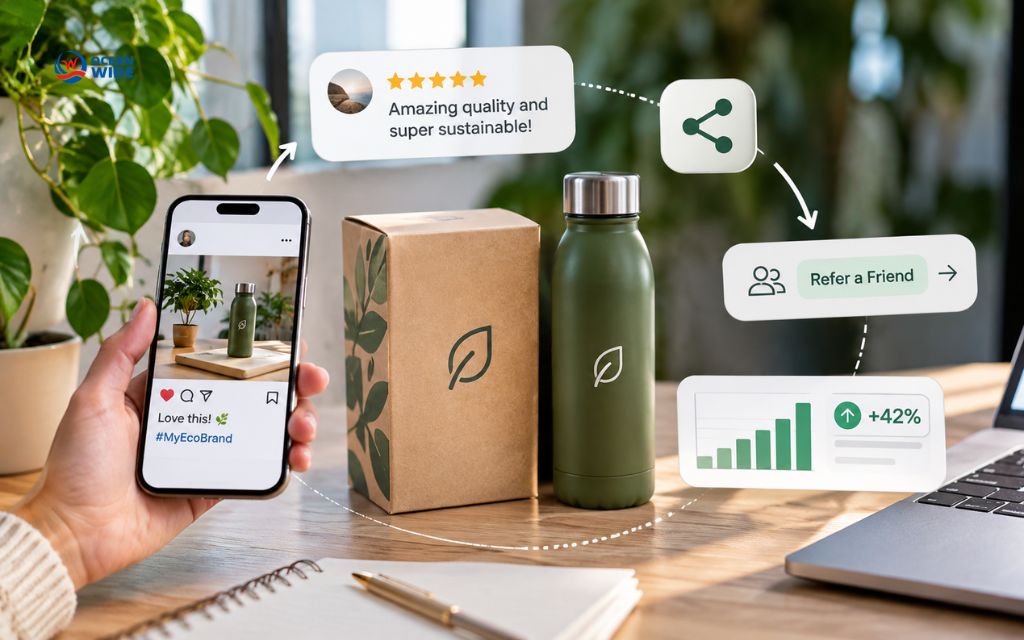
Brand advocacy happens when people who trust a business recommend it to others without being asked, whether through a review, a referral, or a conversation. Customers leave reviews, employees share their work, and partners vouch for results, and each of these actions carries more weight than any message the business writes about itself.
This guide explains what brand advocacy is, who can become a brand advocate, and how to turn customers into advocates through service and genuine relationships. It also covers brand advocacy programs, real examples, the metrics that show progress, and the mistakes that weaken trust.
What is a brand advocate?
Brand advocates are people who promote a business because of a good experience with it. They share personal stories, write reviews, send referrals, and mention the business on social media, and they do it by choice. Brand advocacy is the sum of those unprompted recommendations.
These recommendations reach people that advertising often misses. Friends ask each other which contractor to hire, which software to use, or which shop to visit, and the answers come from experience instead of a sales pitch. That is why brand advocacy carries more trust than paid messages.
Advocates seldom profit from the sale. That gap in self-interest gives their word credibility, and it explains why the best brand advocacy comes from real satisfaction instead of rewards.
Brand advocacy vs. brand loyalty vs. influencer marketing
These ideas overlap, yet each describes a different relationship between a person and a brand. The table below separates them, with brand ambassadorship included because people often mix it up with advocacy.
| Brand loyalty | Brand advocacy | Influencer marketing | Brand ambassadorship | |
| What it describes | Behavior: customers keep buying from the same business | Action: people speak up for the business to others | Partnership: creators promote a brand to their audience | Formal role: people represent a brand under agreed expectations |
| Who takes part | Customers | Customers, employees, and partners | Creators with an audience | Selected customers, employees, or public figures |
| Payment | None needed | None; unpaid and by choice | Usually paid or gifted | Often pay or perks |
| Main result | Repeat purchases and retention | Trust, referrals, and organic reach | Visibility with a defined audience | Steady, consistent representation of the brand |
| Needs the person to talk about the brand | No; many loyal customers never tell anyone | Yes | Yes, as part of the agreement | Yes, as part of the role |
Why is brand advocacy important?
The importance of brand advocacy comes from its ability to extend a brand’s message through people who have their own experiences and relationships. Its value depends on whether those recommendations are relevant, credible, and helpful to the people receiving them:
- Builds brand trust and credibility. Recommendations from people with no stake in the sale carry weight that a brand’s own claims do not.
- Increases brand awareness and organic reach. Each recommendation reaches the advocate’s network, which the business could not reach on its own.
- Strengthens customer loyalty and retention. People who speak well of a business in public have a reason to keep using it.
- Encourages referrals and word-of-mouth marketing. Advocacy brings in inbound leads without outbound sales effort.
- Supports cost-effective customer acquisition. Referred prospects arrive with trust in place, which can shorten the sales conversation and lower acquisition cost.
What are the different types of brand advocates?
Brand advocates come from four groups, and each group promotes a business in a distinct way.
Customer advocates
Customer brand advocacy starts with people who bought, used, and valued the product or service. They write reviews, refer friends, and post about their purchases. Example: a homeowner who loves a finished renovation and recommends the contractor in a neighborhood group.

Employee advocates
Employees know the product, the process, and the people behind the work, which makes their voice credible with prospects and job seekers. Example: a project manager who shares a finished client project on LinkedIn and explains what the team learned along the way.
Influencers and content creators
Creators introduce a brand to audiences that already trust their taste. Some use a product on their own and mention it, while others work under paid or gifted agreements that require disclosure. Example: a fitness creator who keeps using a brand’s resistance bands and features them in training videos.

Business partners and industry advocates
Partners, suppliers, and respected industry voices put their own reputation behind a recommendation. Example: an accounting firm that refers clients to a payroll provider it has worked with for years.
How to build brand advocacy
Brand advocacy grows from positive experiences and real relationships, and rewards belong after the relationship, never before it. The eight steps below show how to turn customers into brand advocates and how to support employees and partners who want to speak up.
1. Deliver consistently positive customer experiences
Advocacy cannot exist without an experience worth talking about. Review the moments that shape how customers feel, such as the first reply to an inquiry, the delivery of the result, and the follow-up after a problem is solved, then fix the weakest one first.
Example: a repair company that sends a status update before the customer has to ask gives people a reason to mention the business to friends.

2. Identify your most engaged customers and supporters
Advocates reveal themselves through behavior. Look for repeat purchases, unprompted referrals, detailed reviews, posts that tag the business, and scores of 9 or 10 on the Net Promoter Score question. Your CRM, review profiles, support tickets, and social mentions hold these signals.
Example: a customer who has reordered four times and answered every survey is ready for a personal thank-you and an invitation to share more.
3. Build genuine relationships with potential advocates
Reach out as a person, not as a campaign. Thank customers by name, ask what they value, and listen for details you can use to improve the experience.
Example: an owner who calls a long-time customer to ask what nearly made them leave learns where the service falls short, and the customer sees that the business cares.

4. Encourage customer reviews, referrals, and user-generated content
Ask satisfied customers for an honest review at the moment they see the result, and tell them where to post it. Referral marketing gives the same customers a simple way to pass your name along, and it works best when the offer reads as a thank-you instead of a payment.
Invite photos and stories as well, and never tie a reward to a positive rating. The FTC’s 2024 rule on consumer reviews prohibits offering compensation or incentives for reviews that express a particular sentiment (FTC, 2024).
Example: a studio that emails every client a review link two days after delivery, with no mention of star ratings.
5. Make it easy for people to share their experiences
Remove steps between a good experience and a shared one. Send a direct review link by email or text, add share buttons to confirmation pages, and keep referral forms short and mobile friendly.
Example: a one-tap review request sent the day after an appointment spares the customer from searching for the business profile.

6. Recognize and reward brand advocates
Recognition shows advocates that the business noticed. Feature their stories with permission, send handwritten notes, offer early access to new services, or host a small event.
Perks need care. Under the revised FTC Endorsement Guides, payment, free products, and other connections that audiences would not expect must be disclosed, and even a feature in a company’s promotions can count (FTC Endorsement Guides, 2023; Kelley Drye & Warren, 2023).
Example: a brand that invites its top referrers to a product preview and asks them to mention the invitation if they post about it.
7. Encourage voluntary employee advocacy
Employees advocate when they take pride in the work and feel trusted. Share content they can use, explain what is welcome to post, and recognize contributions without making participation mandatory.
Hootsuite reports that 40 to 50 percent of its employees take part in its advocacy program (Hootsuite internal data), a reminder that even strong programs do not enlist everyone.
Example: a company that sends staff a short monthly list of finished projects and customer wins, with no required posting.

8. Build an ongoing brand advocacy program
Once advocacy happens on its own, give it structure. Brand advocacy programs set one goal, define who can join, explain how to take part, and track results. Start small, such as a referral offer paired with a quarterly thank-you to top advocates.
As the group grows, a brand advocacy platform can handle sign-ups, referral tracking, and content sharing, while a spreadsheet and CRM tags work for the first few advocates. Some businesses also hire an agency for brand advocacy services such as strategy, setup, and reporting.
Example: a studio that sets one goal, such as doubling new reviews in a quarter, invites its happiest clients, and checks progress each month.
Examples of brand advocacy
These brand advocacy examples show the four main forms advocacy takes, using real brands where public information exists. Advocacy marketing examples from large companies cannot be copied exactly, though the mechanisms apply at any size.
Customer reviews and testimonials
Reviews are advocacy in written form, and shoppers consult many of them: BrightLocal’s 2026 survey found that consumers use an average of six review sites when choosing a business (BrightLocal, 2026).
Adidas lets adiClub members earn points for activities that include product reviews (Antavo). The lesson is to reward the act of reviewing, never the rating.
Social media mentions and user-generated content
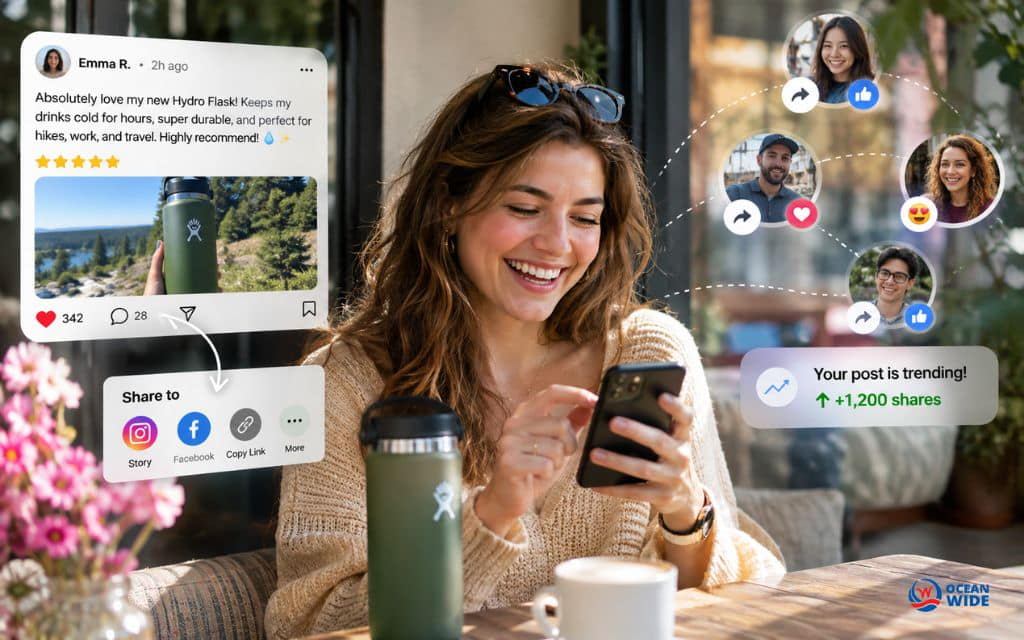
In April 2014, Starbucks invited customers in the U.S. and Canada to decorate white cups and share photos with #WhiteCupContest. The company later chose a winning design for a reusable tumbler from more than 4,000 entries (Fast Casual, 2014; Influee, 2026).
Customers did the creative work, and the brand gave them a public place to be seen.
Customer referral programs
Dropbox rewarded both sides of a referral with extra storage (WPLoyalty). In a presentation summarized by SaaSquatch, the company reported growth from 100,000 to 4 million registered users in 15 months, with referrals driving 35 percent of daily signups.
Growth had other drivers, since word of mouth already brought in signups before the program began (Referral Rock). Referral programs also need ongoing cost review. Tesla started, ended, and restarted its owner referral rewards several times, and ended the most recent version on April 30, 2024 (Electrek, 2024).
Employee recommendations and professional networks
Employees reach professional networks that a company page cannot reach on its own. According to a vendor case study from EveryoneSocial, Dell’s employee advocacy program produced more than 150,000 shares and 45,000 additional website clicks in its first year (EveryoneSocial). Treat vendor results as directional, since each company reports its own data.
How to measure brand advocacy success
How to measure brand advocacy starts with choosing metrics that match your goal. Attribution is the hard part, since a recommendation often happens in a conversation the business never sees, so treat these numbers as signals that move together instead of proof of any single cause.
Five metrics cover the path from first mention to revenue, and each answers a different question:
- Referral traffic and conversions show which advocates send visitors who become leads or customers. Use referral links, promo codes, and a “how did you hear about us” field.
- Social media mentions and user-generated content show reach and enthusiasm. Count tagged posts, hashtag use, and shares of customer content.
- Brand sentiment and customer recommendations show how people feel. Track review ratings, survey comments, and Net Promoter Score.
- Advocate participation and engagement show program health. Track active advocates, response to invitations, and referrals per advocate.
- Revenue and customer acquisition impact show business value. Compare revenue, acquisition cost, and lifetime value for referred customers against other channels.

Common brand advocacy mistakes to avoid
Brand advocacy loses force when it feels staged. These mistakes weaken the trust that advocacy depends on, and each one is avoidable.
- Over-incentivizing recommendations: Large rewards attract promotion for the prize and make genuine praise harder to tell apart, so reward participation and keep rewards modest.
- Treating advocates as advertising channels: Constant requests to post on a schedule turn a relationship into labor, so give value first and ask rarely.
- Ignoring negative feedback: Unanswered complaints erode trust, so respond to social media complaints quickly, fix the issue, and follow up once it is resolved.
- Making participation difficult: Long forms, unclear rules, and extra steps lose willing advocates before they act.
- Failing to disclose material relationships: Payment, free products, and perks tied to promotion require clear disclosure, and the FTC’s 2024 rule bans fake reviews and testimonials and the purchase of reviews.
Conclusion
Brand advocacy grows from experiences people want to talk about, and rewards support that growth instead of replacing it. Businesses that deliver steady service, find engaged customers and employees, make sharing simple, and measure referrals, reviews, and sentiment build recommendation networks that last.
Start with one step this month: ask your three happiest customers what they value most, and use their answers to guide your next brand advocacy program.
The Ocean Wide helps small businesses turn satisfied customers, employees, and partners into steady sources of referrals and reviews. If you want help planning brand advocacy programs, our team can build that work into a social media service shaped around your goals. Call (720) 334-0899 to start the conversation.
Frequently asked questions (FAQs)
What is an example of brand advocacy?
Customers who post photos of a finished project and tag the company that built it are a common example. Starbucks drew more than 4,000 customer designs in its 2014 White Cup Contest, and Adidas rewards members for product reviews.
What is the difference between brand advocacy and customer advocacy?
Customer advocacy is one type of brand advocacy. It covers recommendations from people who bought from the business, while brand advocacy also includes employees, partners, creators, and industry voices who support the brand.
Can small businesses benefit from brand advocacy?
Yes. Small businesses often have close customer relationships, direct contact with the owner, and limited ad budgets, which suit advocacy well. Start with reviews and referrals, since both need little money and rely on service quality.
Do brand advocates get paid?
Genuine advocates usually are not paid, because they speak up from experience. Some programs offer perks such as early access, discounts, or commissions, and contracted ambassadors or creators are often paid. Disclose any perk tied to promotion, and never buy fake reviews.
How do you turn customers into brand advocates?
Deliver service worth recommending, find the customers who already speak well of you, thank them personally, and make sharing simple. Then recognize their contributions and measure what changes. Rewards come last, after the relationship exists.