Skip to content


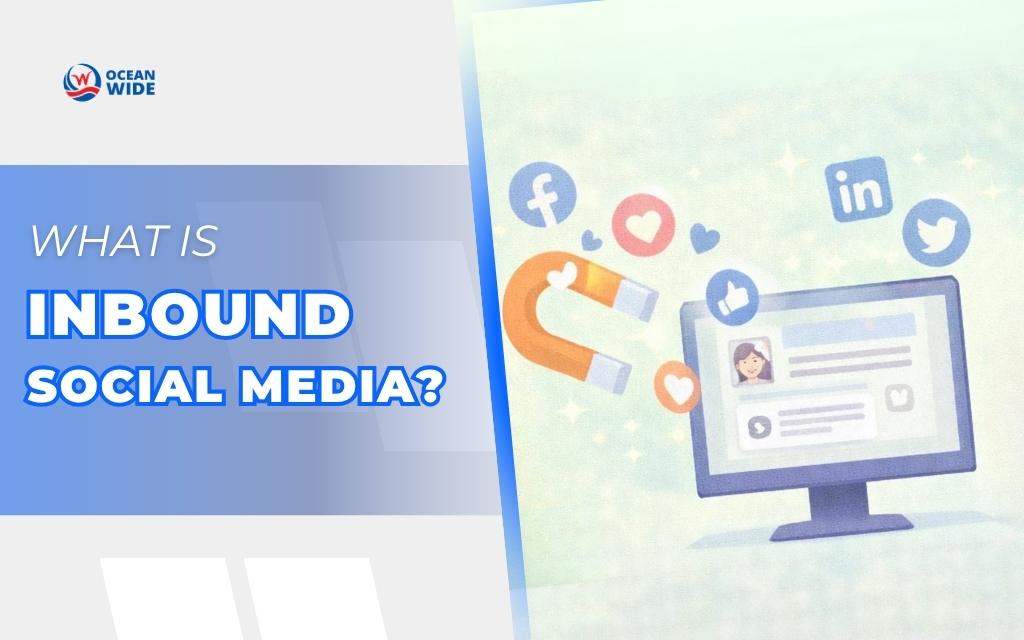
People rarely open social media hoping for another sales pitch. They want useful ideas, relevant conversations, and content worth their time. Inbound social media works by earning that attention and guiding people naturally from discovery to action.
Drawing from The Ocean Wide’s experience with growing brands online, this guide breaks down how content, engagement and customer journeys can work together more effectively.
What Is Inbound Social Media?
Inbound social media uses helpful content and conversations to attract the right people, build relationships, and guide them toward your brand. Unlike purely promotional posts, inbound social media marketing focuses on answering questions, sharing useful ideas, and creating content people actually want to engage with.
Why Is Social Media An Important Part Of Inbound Marketing?
The connection between social media and inbound marketing is simple: social platforms help useful content reach the right people, while giving brands space to listen, respond, and build relationships.
Instead of relying only on promotion, social media inbound marketing turns everyday interactions into opportunities to attract interest and move people closer to a decision.
- Increase Brand Discovery: Helpful posts, videos, and conversations can introduce your brand to people who may never have searched for it directly.
- Build Trust Before The Sale: Consistent advice, customer stories, and genuine interactions give prospects more reasons to feel confident before they buy.
- Drive More Qualified Website Traffic: Relevant social content can send interested users to blog posts, service pages, guides, case studies, or other resources that match what they need.
- Understand What Your Audience Really Needs: Comments, messages, questions, and discussions reveal common pain points and give your inbound marketing social media strategy better topics to work with.
- Keep Customers Engaged Over Time: Social media keeps the relationship active after the first interaction through useful updates, support, community conversations, and fresh content.

How Do Social Media And Inbound Marketing Work Together?
Social media works with inbound marketing by helping useful content reach people where they already spend time, then guiding that attention toward deeper touchpoints such as blog posts, landing pages, email, or sales conversations.

That connection matters more as social becomes a discovery channel in its own right: Sprout Social’s 2025 research found that 37% of consumers across age groups prefer social platforms first when searching for product reviews and recommendations, while 76% said social content influenced a purchase in the previous six months.
In other words, social can support the full inbound path from discovery to consideration and action.
Content Distribution And Brand Discovery
Inbound social media helps useful content travel further than your website alone. A blog post, guide, or video can be repurposed into shorter social posts that introduce the idea to new audiences and give people a reason to explore more.
Lead Generation And Website Traffic
In inbound social media marketing, social posts often act as the bridge between interest and action. Someone may first see a helpful tip, then click through to a detailed article, service page, case study, or downloadable resource. When the content and landing page match the same need, the traffic is more likely to be relevant.
Email Nurturing And Ongoing Engagement
Social media and inbound marketing also work well together after the first visit. Social can encourage people to join an email list, download a guide, or register for an event, while email gives the brand more space to share deeper content and follow up over time. This keeps the relationship moving without turning every social post into a sales pitch.
How Do You Build An Inbound Social Media Marketing Strategy?
A strong inbound social media marketing strategy starts with understanding who you want to reach, what they care about, and what should happen after they engage with your content. The goal is to create a clear path from discovery to trust, then from trust to action.
Define Your Audience And Goals
Start with the people you want to attract. Look at their needs, common questions, interests, and buying stage, then connect those insights to a clear goal such as brand awareness, website traffic, lead generation, or customer retention. This gives your social media inbound marketing efforts a purpose beyond simply posting more often.

Choose The Right Social Platforms
You do not need to be everywhere. Focus on the platforms where your audience is already active and where your content fits naturally. LinkedIn may suit B2B audiences, while Instagram and TikTok can work well for visual or short-form content. The right choice depends on your audience, resources, and goals.
Create Content Around Audience Needs
Build content around the questions and problems your audience already has. Use customer conversations, comments, reviews, search behavior, and sales feedback to find useful topics. This makes inbound marketing social media content feel more relevant and less like a stream of promotions.
Engage With Your Community
Inbound social works best when the conversation goes both ways. Reply to comments, answer questions, respond to mentions, and join relevant discussions when you can add something useful. Those interactions help people see the brand as approachable and active, not just another account publishing content.

Guide People Toward The Next Step
Every useful interaction should make the next step easy to find. Depending on the audience, that could mean reading a blog post, downloading a guide, joining an email list, viewing a service page, or booking a consultation. The CTA should match the person’s level of interest instead of pushing for a sale too early.
What Content Works Best For Inbound Social Media?
Good inbound social media content gives people a reason to stop, engage, or learn more. The strongest posts usually solve a problem, answer a question, or offer something useful before asking the audience to take action.
- Educational content: Share tips, tutorials, checklists, and quick explainers that help people solve real problems.
- Customer questions: Turn common questions from calls, comments, or sales conversations into useful posts.
- Customer stories and social proof: Use testimonials, case studies, and real experiences to build credibility.
- Behind-the-scenes content: Show your team, process, or day-to-day work to make the brand feel more human.
- User-generated content: Share customer photos, videos, or mentions when appropriate to add authenticity.
- Repurposed content: Turn blog posts, guides, webinars, or reports into shorter social formats that are easier to consume.

What Are Common Inbound Social Media Mistakes?
Social media and inbound marketing work best when the audience stays at the center. Once content becomes too sales-heavy or disconnected from real customer needs, engagement tends to drop.
- Posting without a clear audience: Generic content rarely connects strongly with the people you actually want to reach.
- Promoting too often: Constant sales messages can quickly make an account feel repetitive.
- Using the same content everywhere: Each platform has its own formats, behaviors, and audience expectations.
- Ignoring conversations: Comments, questions, and messages are valuable opportunities to build relationships.
- Using weak calls to action: People should know what to do next without feeling pushed into a sale.
- Tracking followers instead of outcomes: Website visits, leads, signups, inquiries, and conversions often say more about performance than follower count alone.
How Can The Ocean Wide Help With Social Media Marketing?
Strong social media marketing needs more than a steady posting schedule. The Ocean Wide helps businesses connect strategy, content, audience targeting, account management, paid campaigns, and performance tracking so each channel has a clear role.
The focus is on building a social presence that supports real marketing goals, whether that means stronger brand awareness, more qualified traffic, better engagement, or more consistent lead generation.

Our Social Marketing Service is built around what the business actually needs, not a one-size-fits-all content plan. We look at the audience, platform mix, content opportunities, and campaign performance, then refine the approach over time. That makes social media easier to manage and more useful as part of a broader inbound strategy.
Bring more structure to your social media with a strategy designed around the audience you actually want to reach. Contact The Ocean Wide today.
Conclusion
Inbound social media is most effective when it feels less like marketing and more like a useful part of the customer experience. The right content can spark interest, build familiarity, and give people a natural reason to take the next step. Over time, that creates a stronger connection between social activity and the outcomes that actually matter, from qualified traffic to leads and long-term customer value.
Frequently Asked Questions About Inbound Social Media
Can Paid Social Media Support An Inbound Strategy?
Yes. Paid social can amplify useful content, reach more relevant audiences, and drive traffic to guides, landing pages, or offers that support the inbound journey.
How Should Paid And Organic Social Media Work Together?
Organic social builds trust and ongoing engagement, while paid social extends reach and supports specific campaigns. The strongest strategy uses both around the same audience and content goals.
How Do You Measure Inbound Social Media Performance?
Track metrics that show both engagement and business impact, including reach, clicks, website traffic, leads, signups, inquiries, and conversions.
Can Social Media Generate Inbound Leads?
Yes. Social media can attract potential customers with useful content, then guide them toward resources, forms, email signups, or service pages where they can become leads.