Skip to content

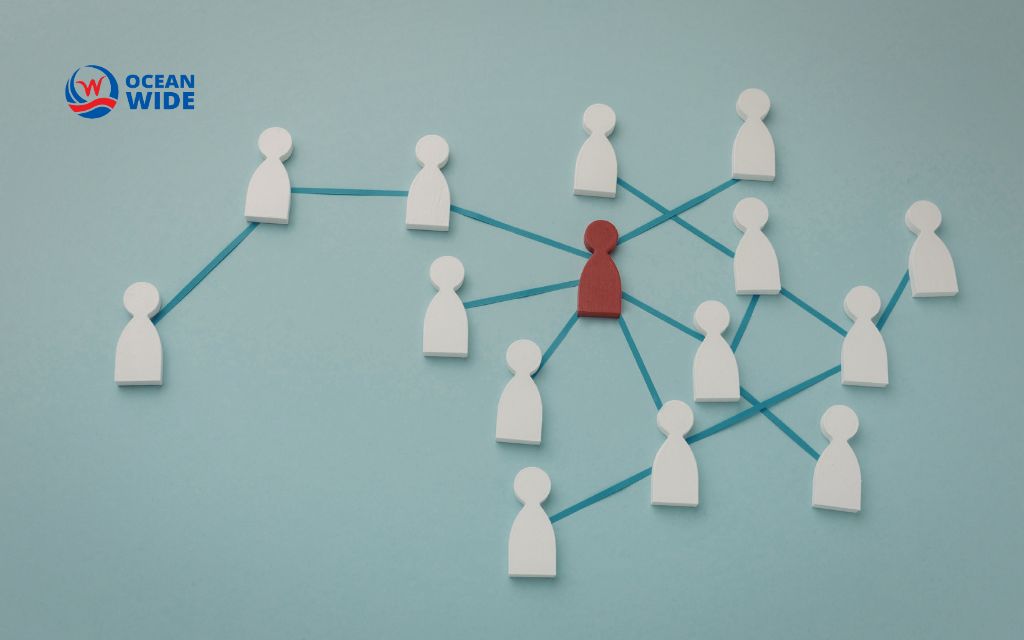
Mentions on social media are real-time signals of attention, trust, and risk. Every time someone references your brand, product, or name online, they’re opening a door—to a potential customer, a partnership opportunity, or a reputation problem you need to address.
The difference between brands that grow and brands that miss opportunities often comes down to one thing: noticing when people talk about them.
This guide will show you exactly how to find, track, and respond to mentions on social media so you can turn conversations into customers, protect your reputation before small issues become big problems, and build a loyal community around your brand.
What are mentions on social media?
Mentions on social media occur when someone references your username, brand name, or product in a post, comment, story, or video, whether they tag you directly or not.
A mention can happen in several ways:
- Direct mention: Someone uses the @ symbol followed by your username (example: “@YourBrand makes the best coffee”)
- Indirect mention: Someone writes your brand name without tagging you (example: “I love YourBrand coffee”)
- Product mention: Someone references your product or service by name
- Visual mention: Someone shows your product, logo, or brand in a photo or video without tagging
The key thing to understand: not all mentions send you a notification. In fact, many of the most valuable mentions – the ones where people share honest opinions – happen without tags.

Direct vs indirect mentions (and why you should care)
Direct mentions
Direct mentions happen when someone actively tags your profile or page using the @ symbol or platform-specific tagging feature.
Characteristics:
- You receive an instant notification
- Easy to find in your notifications tab
- Simple to respond to
- Usually intentional, the person wants you to see it
Common examples:
- “@YourBrand shipping was fast, thanks!”
- Tagging your business page in an Instagram story
- Mentioning your profile in a LinkedIn post
- Quote-tweeting your content with your @handle
Direct mentions are the easiest to track because platforms notify you automatically. Most brands handle these well because they’re impossible to miss.
Indirect mentions
Indirect mentions happen when someone references your brand, product, or service by name without tagging you.
Characteristics:
- No notification sent to you
- Often missed entirely
- Require active monitoring to discover
- High insight value, often more authentic
Common examples:
- “I love XYZ Brand’s customer service”
- Misspelled brand names: “Starbux” instead of “Starbucks”
- Product-only mentions: “This lotion cleared my skin in 3 days” (without brand tag)
- Screenshots of your website or product
- Conversations comparing brands: “I switched from Brand A to Brand B”
According to social listening research from platforms like Oktopost and Brandwatch, up to 70% of brand mentions happen without tags. That means most brands miss the majority of conversations about them.
Why indirect mentions are often more valuable
Untagged mentions reveal what people really think.
When someone tags you, they know you’ll see it. That changes their behavior, they might be more polite, more promotional, or less honest.
But when someone mentions your brand without tagging you, they’re having a real conversation:
- They’re not performing for your attention
- You get honest feedback – good and bad
- You see actual customer experience, not curated reviews
- Complaints often start as untagged mentions before escalating
If you only track tagged mentions, you’re missing the full picture of what people say about your brand.
Why tracking social media mentions is important
Brand awareness & reach
Mentions show how far your brand travels beyond your follower count.
You might have 5,000 followers, but if those followers generate 50,000 mentions per month, your actual reach is exponentially larger. Tracking mentions helps you:
- Measure real brand awareness (not just follower growth)
- Identify which content gets shared most
- Understand which audiences talk about you
- See geographic patterns in conversations
Mentions complement follower metrics by showing who’s talking about you, not just who follows you.
Reputation management
Social media moves fast. A single negative mention can spiral into a PR crisis if you don’t catch it early.
Tracking mentions helps you:
- Catch issues before they escalate: Respond to a complaint when it’s still a conversation, not a viral thread
- Prevent negative sentiment from spreading: One unhappy customer who feels ignored can share their frustration across multiple platforms
- Protect your brand reputation: Address misinformation, clarify misunderstandings, and correct false claims quickly
The cost of missing a mention can be significant. The benefit of responding quickly can turn a potential crisis into a loyalty-building moment.
Customer engagement opportunities
Every mention is a chance to build a relationship.
When you respond to mentions, you show customers you’re listening:
- Answer questions people ask about your product (even when they don’t tag you)
- Thank supporters who recommend you to friends
- Build loyalty by showing you notice and care
- Create delight by engaging when people don’t expect it
Brands that respond to untagged mentions often earn comments like “Wow, how did you find my post?” That surprise factor builds emotional connection.
Competitive & market insights
Mentions aren’t just about your brand, they reveal how people talk about your industry.
When you track mentions, you discover:
- How people compare brands: “I switched from Brand A to Brand B because…”
- Common pain points: “Why do all these products have this problem?”
- Trending topics: What features, problems, or use cases come up most
- Competitor weaknesses: Where competitors fail that you could win
This intelligence helps you position your brand, improve products, and create content that answers real questions.

How to find mentions on social media
You don’t need expensive tools to start tracking mentions. Here are manual methods that work right now.
Native platform notifications
Every major social platform has a notifications tab that shows tagged mentions automatically.
Where to find them:
- Instagram: Notifications tab (heart icon) → filter by mentions
- X (Twitter): Notifications → Mentions
- TikTok: Inbox → All activity → Mentions
- LinkedIn: Notifications → filter by mentions
- Facebook: Notifications → Mentions and tags
Pros:
- Free and built-in
- Real-time alerts
- No setup required
Cons:
- Only shows tagged mentions, you miss untagged conversations
- No sentiment analysis or filtering
- No historical tracking or analytics
Native notifications are fast but incomplete. They’re your baseline—not your complete monitoring strategy.
Platform search techniques
You can manually search for your brand name using each platform’s search function.
How to search for mentions:
- Search your exact brand name in the platform’s search bar
- Search common misspellings: “Starbux,” “Amzon,” “Nikee”
- Search product names: If you sell “CloudComfort Pillow,” search that phrase
- Search related keywords: Industry terms, hashtags, or phrases associated with your brand
Platform-specific tips:
- Instagram: Search hashtags (#YourBrand) and location tags if you have a physical business
- X (Twitter): Use advanced search to filter by date, location, or sentiment
- TikTok: Search sounds, hashtags, and keywords related to your brand
- LinkedIn: Search company name + keywords like “review,” “experience,” or “opinion”
Limitations:
- Time-consuming: You have to check each platform separately
- Easy to miss posts: Search algorithms don’t always surface everything
- No alerts: You have to remember to search regularly
- No historical data: Most platforms only show recent results
Manual searching works for small brands or creators who want to start monitoring with zero budget. But it doesn’t scale.
Google alerts for social mentions
Google Alerts can notify you when your brand name appears on indexed web pages—including some social posts.
When Google Alerts help:
- Tracking mentions on public blogs, news sites, and forums
- Monitoring brand mentions in articles or press coverage
- Catching mentions on LinkedIn (posts are often indexed)
When Google Alerts don’t help:
- Most social posts aren’t indexed by Google (Instagram, TikTok, private Facebook posts)
- Delayed notifications (hours or days, not real-time)
- No sentiment analysis or platform context
Setup tip: Create alerts for:
- Your exact brand name
- Brand name + “review”
- Common misspellings
- Your product names
Google Alerts are a useful supplement, but not a replacement for social-specific monitoring.
Using tools to track mentions on social media
If you’re serious about tracking mentions at scale, manual methods won’t cut it. Social media mention tools automate the process, track sentiment, and centralize responses.
What social media mention tools do
Professional mention tracking tools offer features manual methods can’t match:
Core functions:
- Monitor mentions across multiple platforms from one dashboard
- Track both tagged and untagged mentions (including misspellings)
- Analyze sentiment: Categorize mentions as positive, negative, or neutral
- Send real-time alerts when important mentions happen
- Centralize responses: Reply to Instagram, X, and LinkedIn comments without switching tabs
- Track competitors: See how often competitors get mentioned vs. your brand
- Generate reports: Measure mention volume, sentiment trends, and engagement over time
These tools save time and help you catch mentions you’d otherwise miss.
Popular tools for tracking mentions
Here’s a high-level overview of tool categories—not hard recommendations, but what to look for based on your needs.
Social media management tools:
- Examples: Hootsuite, Sprout Social, Buffer
- Best for: Teams managing multiple accounts who need scheduling + monitoring in one place
- Mention features: Streams for keywords, tagged mentions, and brand monitoring
Social listening platforms:
- Examples: Brandwatch, Mention, Talkwalker
- Best for: Brands focused on reputation management, competitive intelligence, and deep sentiment analysis
- Mention features: Advanced filters, sentiment tracking, influencer identification, trend analysis
Analytics dashboards:
- Examples: Google Analytics (for web mentions), native platform analytics
- Best for: Tracking referral traffic and conversions from social mentions
- Mention features: Limited to traffic sources and link clicks
What to look for when choosing a tool:
- Platform coverage: Does it monitor all the platforms where your audience is active?
- Alert speed: Real-time vs. hourly vs. daily alerts
- Ease of use: Can your team actually use it without a learning curve?
- Sentiment analysis accuracy: Does it correctly identify positive vs. negative mentions?
- Cost vs. value: Does the pricing make sense for your brand size and mention volume?
Free vs paid mention tracking
When free tools are enough:
- You’re a solopreneur or small creator with low mention volume
- Your brand is mentioned a few times per week
- You only need to track one or two platforms
- You can manually check notifications daily
Free options include:
- Native platform notifications
- Google Alerts
- Manual platform searches
- Free tiers of tools like Hootsuite or Buffer (with limitations)
When paid tools make sense:
- You’re a growing brand with dozens of mentions per day
- You need to track multiple platforms simultaneously
- You have a team that needs to collaborate on responses
- You want historical data and trend analysis
- You need to monitor competitors and industry conversations
- Your reputation is critical (negative mentions need immediate response)
How to respond to social media mentions
Finding mentions is only half the job. How you respond determines whether mentions become growth opportunities or missed chances.
Step 1: Assess the mention
Before you respond, categorize the mention:
Positive mention:
- Customer sharing a great experience
- Someone recommending your product
- User-generated content celebrating your brand
- Testimonial or review
Neutral mention:
- Question about your product or service
- General observation without strong sentiment
- Factual statement or comparison
Negative mention:
- Complaint about product, service, or experience
- Frustration with shipping, quality, or support
- Misinformation or misunderstanding about your brand
Understanding the sentiment shapes your response strategy.
Step 2: Respond appropriately
For positive mentions:
- Thank them genuinely: “Thanks for sharing this! We’re glad you’re loving it.”
- Ask permission to repost (if you want to use it as UGC): “Mind if we share this on our page?”
- Engage personally: Use their name, reference specifics from their post
- Consider offering something extra: Discount code, early access, or VIP perks for loyal advocates
For neutral mentions (questions):
- Answer clearly and helpfully: Provide the information they need
- Link to resources: Your website, FAQ, product page, or tutorial
- Invite follow-up: “Let us know if you have other questions!”
- Keep it friendly: Even neutral questions are engagement opportunities
For negative mentions:
- Respond quickly: Ideally within an hour for serious complaints
- Acknowledge the issue: “We’re sorry to hear this happened.”
- Take responsibility: Don’t make excuses or blame the customer
- Offer a solution: “Let’s fix this. Can you DM us your order number?”
- Stay calm and professional: Even if the complaint is unfair, respond with empathy
Pro tip: Match your tone to the platform. Instagram responses can be casual and emoji-friendly. LinkedIn responses should be more professional.
Step 3: Decide when to take it private
Not every conversation should happen in public.
When to move to DMs or support channels:
- The issue requires account details, order numbers, or personal information
- The conversation is getting heated or emotional
- You need time to investigate before offering a solution
- The person is asking for compensation, refunds, or detailed troubleshooting
How to transition:
- Public reply: “We’re on it! Can you DM us your order number so we can look into this?”
- Then continue the conversation privately
Follow up publicly when resolved:
- Once you’ve solved the issue privately, reply to the original public mention: “Glad we could help! Issue resolved via DM.”
- This shows other people that you take complaints seriously and follow through
Step 4: Log & learn
Every mention teaches you something. Track patterns so you can improve over time.
What to log:
- Recurring themes: Are customers asking the same questions repeatedly? (Update your FAQ)
- Common complaints: Is one product feature causing frustration? (Fix it or improve messaging)
- Popular features: What do people love most about your product? (Highlight it in marketing)
- Sentiment trends: Is sentiment improving or declining over time?
Share insights with your team:
- Customer support can prepare better answers for common questions
- Product teams can prioritize features customers request
- Marketing can create content addressing FAQs
- Sales can use positive mentions as social proof
Turning mentions into growth opportunities
Repurpose positive mentions
User-generated content (UGC) is some of the most powerful marketing you can use and it’s free.
How to leverage positive mentions:
- Testimonials: Screenshot positive mentions and share them on your website, landing pages, or ad campaigns
- Social proof: Repost customer stories to your Instagram feed or stories (with permission)
- Case studies: Reach out to customers who share detailed experiences and ask if they’d participate in a longer case study
- Email marketing: Feature customer stories in newsletters to build trust with subscribers
Always ask permission first: “We love this! Mind if we share it on our page?” Most customers are happy to say yes and it makes them feel valued.
Build relationships with advocates
Some people mention your brand repeatedly. These are your brand advocates—cultivate those relationships.
Who to focus on:
- Creators and influencers who organically mention your brand (even micro-influencers with small audiences)
- Loyal customers who post about your products multiple times
- Community members who answer questions about your brand in forums or comment sections
How to build relationships:
- Engage with their content consistently (like, comment, share)
- Send surprise gifts, early access, or exclusive perks
- Invite them to beta test new products
- Feature them in your content (interviews, spotlight posts, podcasts)
- Build an ambassador or affiliate program
Turning casual fans into advocates creates a network of people who promote your brand without being asked.
Improve products & content using mention insights
Mentions tell you what your audience cares about – use that data.
Where to find insights:
- FAQs people ask repeatedly: If 10 people mention “How do I clean this?” in the same month, create a cleaning guide
- Feature requests: “I wish this product came in blue” → Consider adding new colors
- Content ideas: If people mention your brand while discussing a specific problem, create content addressing that problem
- Pain points: If multiple mentions reference a frustration, prioritize fixing it
Example: If you’re a coffee brand and you notice 20 mentions in one month asking “Is this coffee organic?”, that’s a signal to:
- Update your product page to clearly state it’s organic (if true)
- Create content explaining your sourcing practices
- Train your team to answer this question proactively
Mentions are free customer feedback. Use them.

Conclusion
Mentions on social media are real-time signals of attention, trust, and opportunity. Every time someone references your brand (tagged or untagged), they’re opening a door.
The brands that grow aren’t necessarily the ones with the biggest budgets. They’re the ones who notice when people talk about them, respond thoughtfully, and turn those conversations into relationships.
Tracking mentions protects your reputation by catching complaints early. Responding well turns critics into customers and fans into advocates. Using mention insights improves your products, content, and customer experience.
Here’s how to start today:
- Search your brand name right now on Instagram, X, TikTok, and LinkedIn, see what people are saying
- Set up one monitoring system: Start with free Google Alerts and native notifications, or invest in a tool if you’re ready to scale
- Respond consistently: Even if you can’t respond to every mention, make it a habit to engage with at least a few each day
- Learn from what people say: Track patterns, share insights with your team, and use mentions to improve everything you do
The conversations are already happening. Your job is to join them.
_____________
The Ocean Wide has delivered social marketing services to Denver businesses – helping brands track mentions, respond strategically, and turn conversations into customers.
Our social marketing services include mention tracking, sentiment analysis, and response strategies that protect your reputation and accelerate growth. The conversations about your brand are already happening, let’s make sure you’re part of them.
Contact us at (720) 295-9270 or visit our office at 1007 S Federal Blvd, Denver, CO 80219.
Frequently asked questions (FAQs)
What are mentions on social media?
Mentions on social media occur when someone references your username, brand name, or product in a post, comment, story, or video. Mentions can be direct (tagged with @YourBrand so you get notified) or indirect (your name is mentioned without tagging, so you don’t receive an alert). Both types matter for tracking brand awareness and reputation.
What’s the difference between a tag and a mention?
A “tag” is when someone uses the @ symbol followed by your username, which sends you a notification. A “mention” is any reference to your brand. Tags are a type of mention, but not all mentions are tags. Many valuable mentions happen without tags, which is why active monitoring matters.
How do I see untagged mentions of my brand?
You can find untagged mentions by manually searching your brand name on each platform, setting up Google Alerts, or using social listening tools like Hootsuite, Mention, or Brandwatch. These tools monitor keywords and phrases across platforms, alerting you to conversations that don’t include a tag. Search for your brand name, common misspellings, and product names.
What tool is best for tracking social media mentions?
The best tool depends on your needs. For small businesses or creators, free tools like native notifications and Google Alerts work. For growing brands, social media management tools like Hootsuite or Sprout Social offer scheduling plus mention tracking. For deep reputation management, social listening platforms like Brandwatch or Mention provide sentiment analysis and competitive insights. Choose based on your mention volume, budget, and team size.
Should I respond to every mention?
You should respond to as many mentions as possible – especially negative ones, questions, and positive mentions from loyal customers. Responding shows you’re listening and builds trust. However, if you have hundreds of mentions daily, prioritize based on sentiment and impact: respond to complaints first, then questions, then positive mentions. Even responding to 50% of mentions is better than ignoring them entirely.